
The Questions Every Wellness Business Should Ask Before Expanding Into A New Location
Planning to expand your wellness business? Learn the key questions to ask before opening another gym, Pilates studio or recovery space.
The Questions Every Wellness Business Should Ask Before Expanding Into A New Location
Opening your first wellness studio or fitness facility is a major achievement. Thinking about your second, or even third, is often a sign that your business is gaining momentum.
Whether you are planning another Pilates studio, gym, recovery centre or integrated wellness space, expansion can create exciting opportunities to reach more members and build on what is already working.
But before you begin searching for the next tenancy, it is worth taking a step back.
The most successful expansions do not begin with finding the perfect building. They begin with understanding whether your business is truly ready to grow.
Asking the right questions early can help you choose the right location, make informed investment decisions and create a space that supports your members, your team and your long-term goals.
Is There Demand For Your Type Of Wellness Offering?
A successful first location shows that your concept works in one market. The next question is whether there is sustainable demand for the same offering somewhere else.
For a wellness operator, this means looking beyond general population growth. It means understanding the people who live, work and move through the area you are considering.
Is there demand for reformer Pilates, strength training, recovery, allied health or boutique fitness in that location?
Are there complementary businesses nearby, such as cafés, sporting facilities, medical centres or allied health providers?
Is the area easy for members to access before work, after work or between school drop-offs?
Your next location should be chosen for more than visibility or convenience. It should be selected because the area supports the type of wellness experience you want to deliver.
Could Your Studio Operate The Same Way In Another Location?
Expansion is easier when the business model behind the first location can be repeated.
This does not mean the second space needs to look exactly the same. Every tenancy will have different conditions, dimensions and opportunities. However, the member experience, service quality and operational structure should feel consistent.
Before expanding, ask yourself whether your class timetable, staffing model, booking systems, member journey and customer service standards can be delivered in another location.
Can your instructors or coaches maintain the same level of experience?
Are your processes documented clearly?
Would a member walking into your second studio understand the brand and feel the same level of confidence?
The goal is not to duplicate every design decision. It is to create a model that can grow without losing what made the first location successful.
Is Your Team Ready To Grow With You?
A second location places new pressure on your people.
You may need additional instructors, coaches, therapists, reception staff, managers or operational support. You may also need existing team members to step into leadership roles.
This is where many growing wellness businesses need to plan carefully. A strong fitout can support the business physically, but the space still needs the right people and systems behind it.
Consider whether your current team has capacity to support another opening.
Will recruitment need to begin before construction is complete?
Who will manage the new site?
How will you maintain culture, service standards and communication across multiple locations?
When people planning happens alongside site planning, the opening process becomes clearer and the business is better prepared for day one.
Does The Financial Plan Support The Full Opening Journey?
Opening another wellness location involves more than the cost of the fitout.
The full investment may include equipment, technology, signage, branding, staffing, pre-opening marketing, approvals, stock, furniture, working capital and the time it takes for the new location to build momentum.
For Pilates operators, that might include reformer beds, mirrors, flooring, lockers and acoustic considerations.
For recovery providers, it may involve treatment rooms, wet areas, saunas, ice baths, recovery lounges or specific plumbing and electrical requirements.
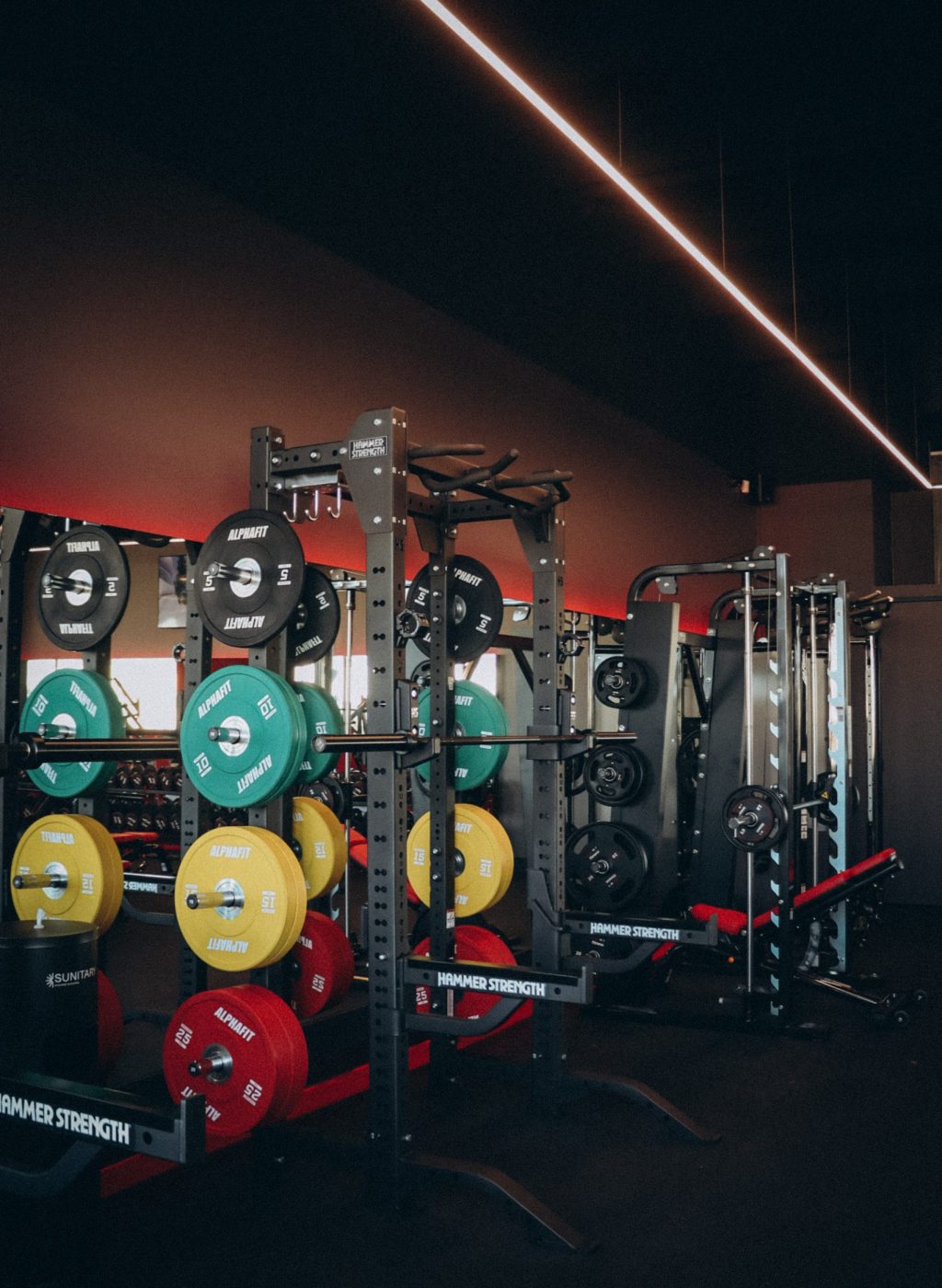
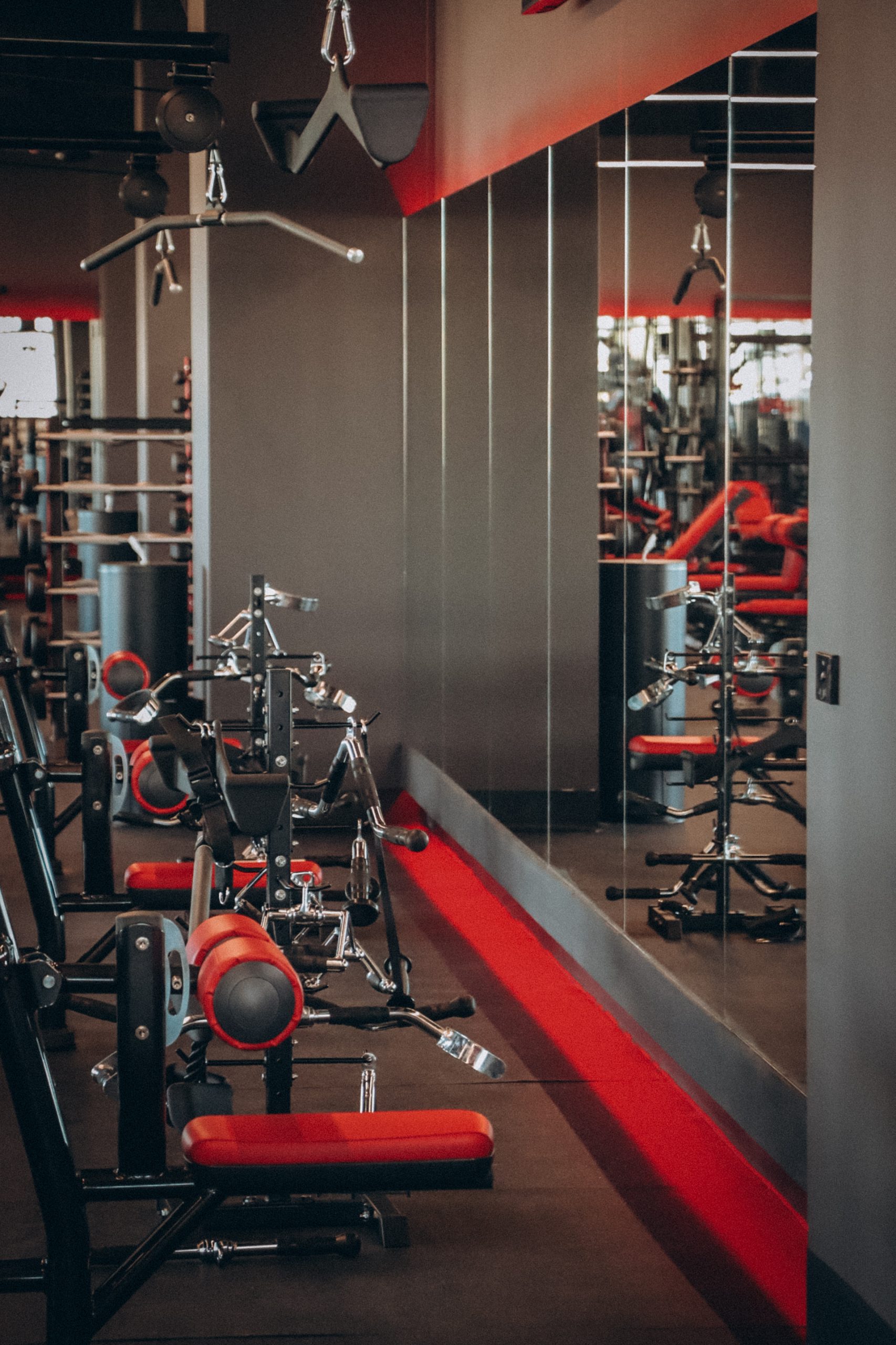
For gyms, the investment may include strength equipment, cardio zones, access control, amenities, security and member management systems.
Understanding the full financial picture early helps reduce pressure later. It also allows scope, budget and programme to be aligned before major commitments are made.
Will The Space Deliver The Experience Your Members Expect?
The right location is not just about where the building is. It is also about how the space will work once members are using it every day.
A wellness space needs to feel easy to enter, easy to navigate and comfortable to spend time in.
Consider the arrival experience, reception flow, class transitions, amenities, storage, staff areas and member circulation. Think about how the space will feel during peak times, not just when it is empty.
Will members move easily between reception, studios, treatment rooms or recovery areas?
Is there enough space for people to wait comfortably before and after sessions?
Will the building support the atmosphere, privacy and comfort your members expect?
Design should support real-world use, not just look good at handover. When layout decisions are connected to daily operations, the space is more likely to perform well from the beginning.
Can The Site Support Future Services?
Many wellness businesses evolve quickly.
A studio may begin with reformer Pilates and later introduce mat classes, private training, recovery, physiotherapy, retail or consultation rooms. A gym may expand into recovery, allied health or small-group training.
Before committing to a new location, it is worth considering whether the space allows for future growth.
Can rooms be adapted?
Is there flexibility in the layout?
Can services be added without disrupting the whole business?
Will the building support additional equipment, increased foot traffic or future operational changes?
Planning for flexibility early can help avoid costly changes later. It also gives your business more room to respond as member expectations and service offerings evolve.
Are You Clear On The Path From Planning To Opening?
Expansion involves many moving parts.
Lease decisions, design, approvals, services, equipment procurement, construction, branding, staffing and launch planning all need to work together.
When these elements are managed separately, it becomes easier for gaps to appear. Small decisions made early can create delays, cost pressure or operational compromises later.
This is where early alignment becomes valuable.
By considering scope, budget, buildability and programme together from the outset, wellness operators can move through the process with greater clarity and control.
The aim is not to rush the project. It is to create a clearer path from the first decision through to a space that is ready to perform from day one.
Expansion Is Stronger When It Starts With The Right Questions
Expanding your wellness business is about more than opening another location. It is about creating another space that delivers the same level of experience your members already know and trust.
The earlier you align your business goals, property selection, design strategy, budget and delivery approach, the more confidently you can move from one successful location to the next.
At Workspace 360, we work with gym owners, Pilates operators, recovery providers and wellness businesses from the earliest planning stages through design, approvals, construction and handover.
Our integrated approach helps align scope, budget, buildability and programme early, creating one accountable process and a clearer path to opening.