Redefining The Office Experience Through Hospitality-Inspired Design
For many organisations, the challenge is no longer simply getting people back into the office. It is creating a workplace people actively choose to use.
Leaders are under pressure to improve workplace utilisation, support wellbeing and ensure property investments deliver measurable value. A workplace that feels disconnected from how people actually work can make those goals harder to achieve.
This is why more organisations are taking cues from the hospitality sector. The focus is shifting from designing offices around space efficiency alone to creating environments that support engagement, productivity and connection.
Hospitality-inspired workplace design is not about luxury finishes or hotel-style amenities. It is about creating a better experience for the people using the space every day, while ensuring the workplace supports business performance.
Why Workplace Expectations Have Changed
The way people work has changed significantly over the past few years, and workplace expectations have changed with it.
Employees now have greater flexibility in where and how they work. As a result, the office needs to offer something more than a desk and a meeting room. It needs to support collaboration, focused work, connection and a sense of purpose.
At the same time, organisations are looking for stronger returns on their workplace investments. Every square metre needs to contribute to productivity, culture and operational effectiveness.
This shift has encouraged many businesses to rethink the role of the workplace and how it supports both people and performance.
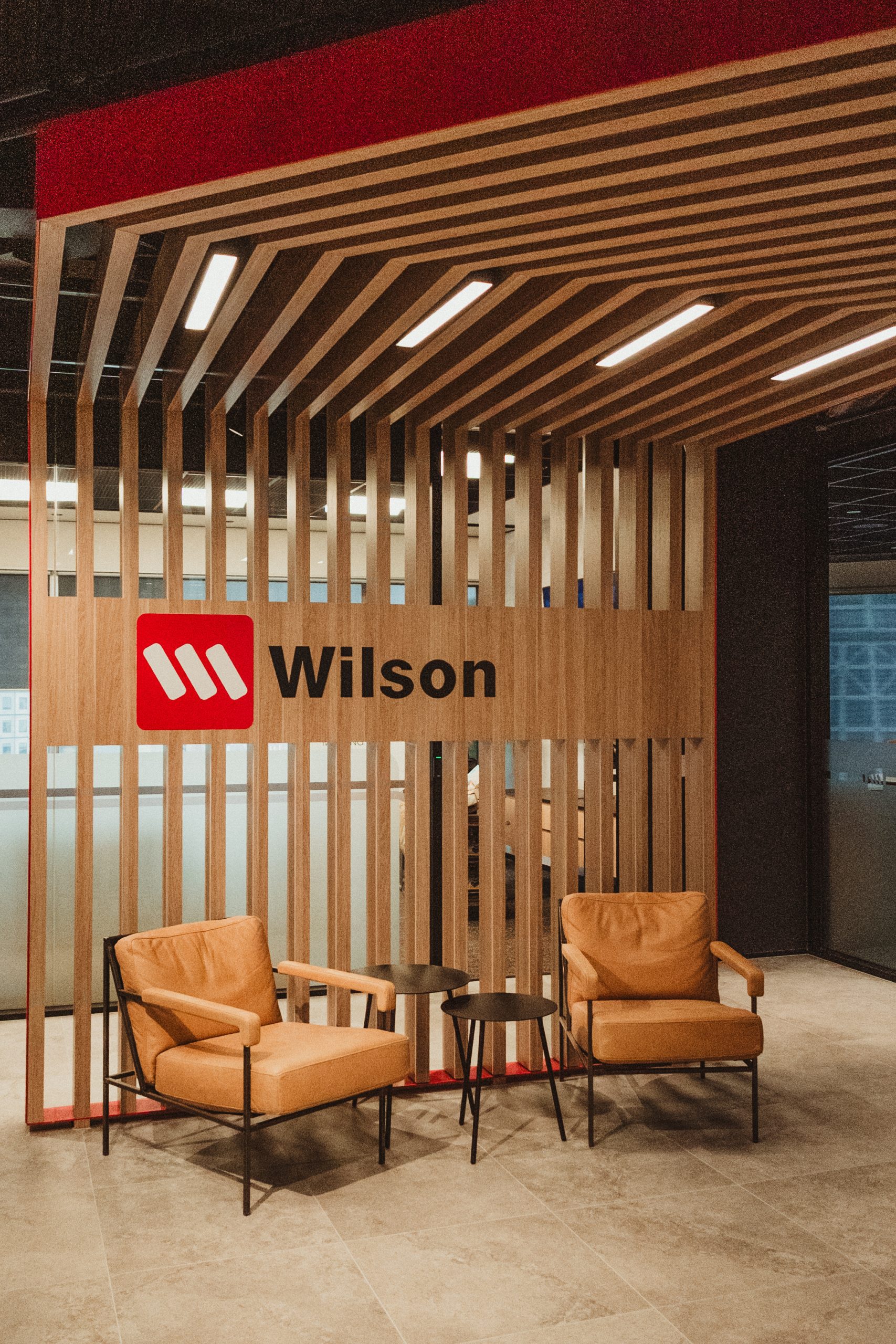

Hospitality-Inspired Design Versus Traditional Office Design
Traditional office design has often prioritised efficiency, density and functionality. While those considerations remain important, they do not always reflect how people experience a space.
Hospitality-inspired design takes a broader view. It considers the entire user journey, from arrival through to everyday interactions within the workplace.
Rather than focusing solely on how much space is available, the emphasis shifts to how the environment supports behaviour, comfort and ease of use.
This approach can influence everything from reception areas and meeting spaces to workplace amenities and shared collaboration zones. The goal is not to make an office feel like a hotel, but to create an environment that people find intuitive, welcoming and effective.
Creating Spaces That Support Connection And Wellbeing
One of the most valuable lessons from hospitality design is that experience influences behaviour.
Hotels, restaurants and wellness environments are carefully planned to help people feel comfortable and connected. Workplaces can benefit from the same thinking.
This may include a mix of collaborative and focused work settings, intuitive layouts, welcoming arrival areas and amenities that support daily routines. These decisions help create environments where people can work effectively while remaining connected to colleagues and the organisation.
Wellbeing also plays a role. Access to natural light, thoughtful space planning, acoustic comfort and areas for focused work can all contribute to a better day-to-day experience.
Importantly, these elements are not workplace perks. When planned properly, they support engagement, productivity and retention by making the workplace easier and more effective to use.
Designing For Performance, Not Just First Impressions
A common misconception is that hospitality-inspired design is primarily about aesthetics.
In reality, successful hospitality environments are highly operational. Every design decision supports how the space functions, how people move through it and how services are delivered.
The same principle applies to workplaces.
A well-designed office should reduce friction, support productivity and help teams perform at their best. This includes considerations such as workplace acoustics, technology integration, meeting room availability and the flexibility to accommodate different work styles.
Design should support real-world use, not simply look impressive at handover. The most successful workplaces continue to perform long after the project is complete.
Why Early Planning Matters
Many workplace challenges can be traced back to decisions made before construction begins.
Unclear objectives, misaligned stakeholder expectations and disconnected planning can all create unnecessary cost, delays and compromises later in the project.
Hospitality-inspired workplaces often involve a greater focus on experience, making early alignment even more important. Business goals, operational requirements, design intent, budget and buildability all need to work together from the outset.
When these elements are considered early, organisations gain greater certainty around scope, programme and investment decisions. They are also better positioned to avoid handover gaps, manage risk and maintain stronger cost control throughout delivery.
Creating Workplaces That Are Ready To Perform
Hospitality-inspired design is not about following workplace trends. It is about creating environments that support the people using them while helping organisations achieve their operational and commercial goals.
The most successful projects balance experience, functionality and delivery realities from the beginning. They are shaped through early decisions that align workplace strategy, budget, programme and operational requirements before construction starts.
At Workspace 360, we help organisations create a clearer path from first decision to operational space through an integrated strategy, design and delivery approach. By aligning planning, design and delivery from the outset, we help reduce uncertainty, improve cost control and create workplaces that are ready to perform from day one.
Ready to create a workplace that supports both people and performance? Get in touch with Workspace 360 to start with strategy and plan with clarity.