
Setting Up Your Franchise For Success
At Workspace 360, we work almost exclusively in gym and wellness environments. That’s given us a very clear view of what actually matters when franchises are planning new sites.
Most gym and wellness franchises don’t fail because the concept is wrong.
They’ll fail because the facility didn’t support the concept.
I’ve seen it too many times:
- great brands squeezed into the wrong tenancy
- beautiful designs that ignore acoustics or ventilation
- recovery zones added late, blowing out costs
- franchisees inheriting problems that were baked into the build
Once the walls are up, everything gets harder – and more expensive.
With the global wellness economy forecast to approach US$9 trillion by 2028 according to the Global Wellness Institute, the opportunity is enormous. But expansion without discipline is one of the fastest ways to erode margins, brand consistency, and franchisee confidence.
At Workspace 360, we work almost exclusively in gym and wellness environments. That’s given us a very clear view of what actually matters when franchises are planning new sites.
Here are 10 considerations every gym and wellness franchise should be thinking about before opening doors in 2026.
1. The tenancy will either help you scale - or quietly fight you
Not every ‘good-looking’ space is a good gym or wellness facility.
We regularly see franchises fall in love with a location before anyone has assessed:
- Existing building classification and potential upgrades required to support a Class 9B use
- Slab strength and dynamic load capacity
- Ceiling heights once services and acoustics are added
- Column spacing and usable floor area
- The cost of upgrading power, air-conditioning, and hydraulics
At Workspace 360, we’ve helped brands walk away from sites that looked perfect on paper but would have attracted significant costs to achieve compliance, or required major compromises to their training model to suit the site constraints. That decision alone has saved franchisees hundreds of thousands of dollars over the life of the site.
The right site makes everything downstream easier.

2. Acoustic issues are one of the biggest hidden risks in fitness builds
Noise complaints don’t start on day one, they start once timetables fill up.
Group training studios, free-weight zones, and high-energy formats all create sound profiles that need to be engineered, not guessed.
We’ve been brought into projects where acoustics were treated as a “fitout detail” instead of a core design input. The result? Costly retrofits, unhappy neighbours, and frustrated instructors.
When acoustics are addressed early through layout, materials, and ceiling design, they almost disappear as an issue.
3. HVAC isn’t a background system - it’s part of the experience
Members might not talk about great air conditioning, but they definitely notice when it’s bad!
In high-occupancy fitness environments, poor ventilation impacts:
- comfort
- performance
- perceived cleanliness
- dwell time
We’ve worked on facilities where undersized air-conditioning systems limited class capacity or forced timetable changes. Fixing that after opening is painful.
Designing mechanical services properly from the start protects both the member experience and revenue.
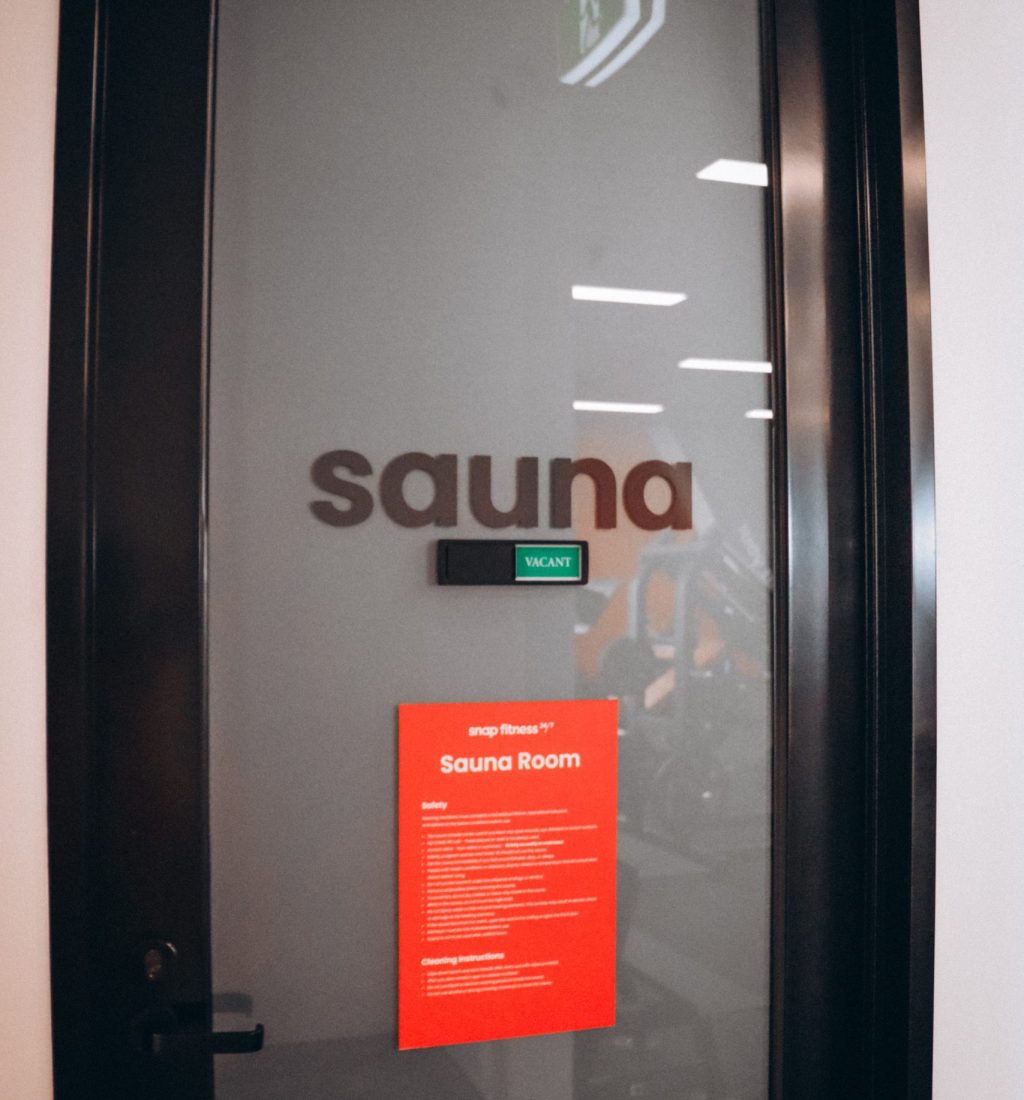
4. Recovery spaces need specialist build knowledge
Recovery is no longer a “nice to have.” Cold plunges, saunas, steam rooms, and contrast therapy are now central to many wellness models.
They also introduce complexity:
- waterproofing and drainage
- moisture management
- certification and compliance
- ongoing maintenance considerations
Workspace 360 has delivered multiple projects where recovery zones were fully integrated into the base build, not bolted on later, reducing risk and long-term costs for operators.
5. Lighting influences behaviour more than most people realise
Lighting sets the tone of a facility.
We’ve seen franchises dramatically improve energy and engagement simply by:
- layering lighting zones
- improving instructor visibility
- avoiding glare in strength areas
- using softer lighting in recovery spaces
This isn’t about trends. It’s about designing environments that support how people feel when they train.
6. Material selection affects your P&L, not just your aesthetic
In multi-site franchises, small material decisions scale quickly.
We often guide clients away from finishes that look great on day one but don’t tolerate:
- sweat
- chalk
- constant cleaning
- heavy equipment movement
Durable flooring systems, wall finishes, and joinery details reduce maintenance costs and keep sites looking consistent across years, not just at launch.
7. Compliance should never be learned the hard way
Gym and wellness facilities sit at the intersection of:
- building codes
- accessibility requirements
- fire engineering
- health and safety regulations
Trying to navigate approvals without specialist experience almost always leads to delays.
At Workspace 360, we manage this complexity upfront, coordinating consultants and documentation so approvals don’t become the bottleneck that slows expansion.
8. Buildability determines whether timelines are realistic
Every franchise talks about speed to open. Few design for it.
Poor coordination between services, equipment suppliers, and builders is one of the most common causes of delays we see.
Our approach is practical: design facilities that can actually be built efficiently, staged logically, and commissioned without chaos at the end.
Predictable delivery builds confidence, especially for franchise partners investing their own capital.
9. Standardisation needs flexibility, not rigidity
Franchises need repeatable design standards, but no two tenancies are identical.
- modular layouts
- adaptable service strategies
- scalable documentation
This allows sites to respond to real-world constraints without breaking brand integrity or budget.
10. The right partner reduces risk without making noise
The best facility partners don’t create drama. They remove it.
In an industry where expansion costs are rising and expectations are higher than ever, specialist experience isn’t a luxury. It’s risk management.
The takeaway for 2026
Opening more locations isn’t the hard part.
Opening facilities that:
- support your training model
- protect your brand
- keep franchisees profitable
- and stand up over time
That’s where expansion succeeds or fails.
If you’re planning new gym or wellness sites in 2026, the build deserves just as much attention as the brand.
Because once the doors open, the facility does the talking.