
The Latest Office Wellness Trends And How To Implement Them Into Your Workplace
Employee expectations have changed.
Across commercial workplaces, leaders are under increasing pressure to attract and retain talent, support productivity, reduce absenteeism and create environments that help people do their best work. At the same time, budgets remain under scrutiny, workplace strategies continue to evolve and every investment needs to demonstrate value.
This is where workplace wellness is becoming a more important business consideration than ever before.
The conversation has moved beyond standing desks and breakout areas. Today’s workplace wellness trends focus on creating environments that support how people work, collaborate, recover and perform throughout the day.
The challenge is knowing which initiatives will genuinely improve workplace outcomes and which may add cost without delivering meaningful value.
Here are some of the most effective office wellness trends emerging in modern workplaces, and how organisations can implement them successfully.
Designing For Movement Throughout The Day
One of the most significant shifts in workplace wellness is the move away from static work environments.
Research and workplace experience continue to show that prolonged sitting can negatively impact both physical wellbeing and productivity. As a result, organisations are looking for ways to encourage natural movement throughout the working day.
This does not necessarily require major investment.
Simple planning decisions can have a significant impact, including:
- Creating varied work settings
- Positioning shared amenities to encourage movement
- Introducing sit-to-stand workstations where appropriate
- Designing circulation paths that naturally connect teams and spaces
- Providing alternative touchdown and collaboration areas
The key is ensuring movement feels intuitive rather than forced. When considered early in the planning process, these workplace decisions can support healthier behaviours without disrupting day-to-day operations.
Prioritising Mental Wellbeing Through Workplace Design
Mental wellbeing is increasingly recognised as a business performance issue, not simply an employee benefit.
Noise, overcrowding, poor acoustics and a lack of privacy can contribute to workplace stress and reduce concentration. Conversely, environments that support focus, autonomy and choice can help employees perform at their best.
Many organisations are responding by incorporating:
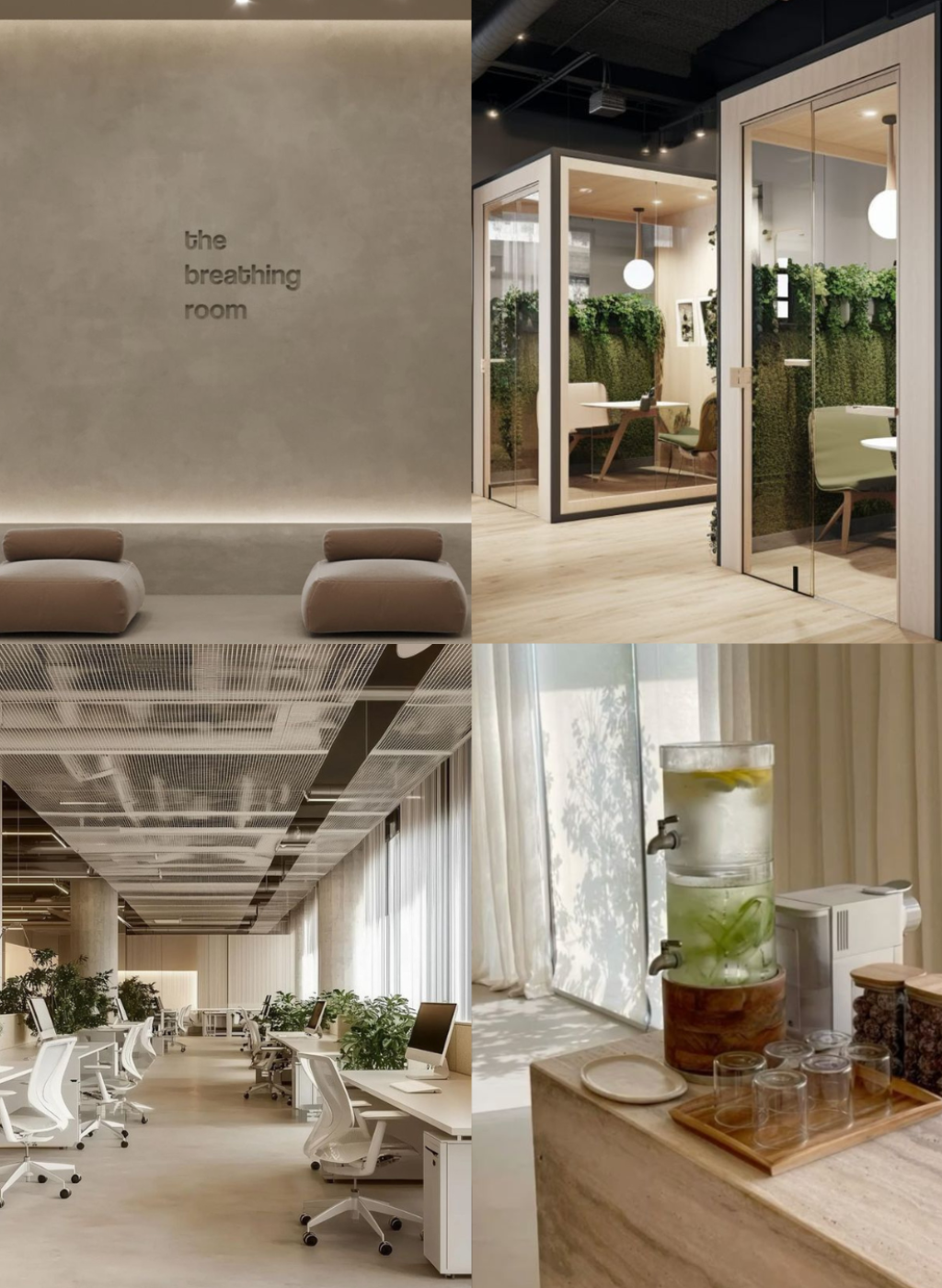
- Quiet focus areas
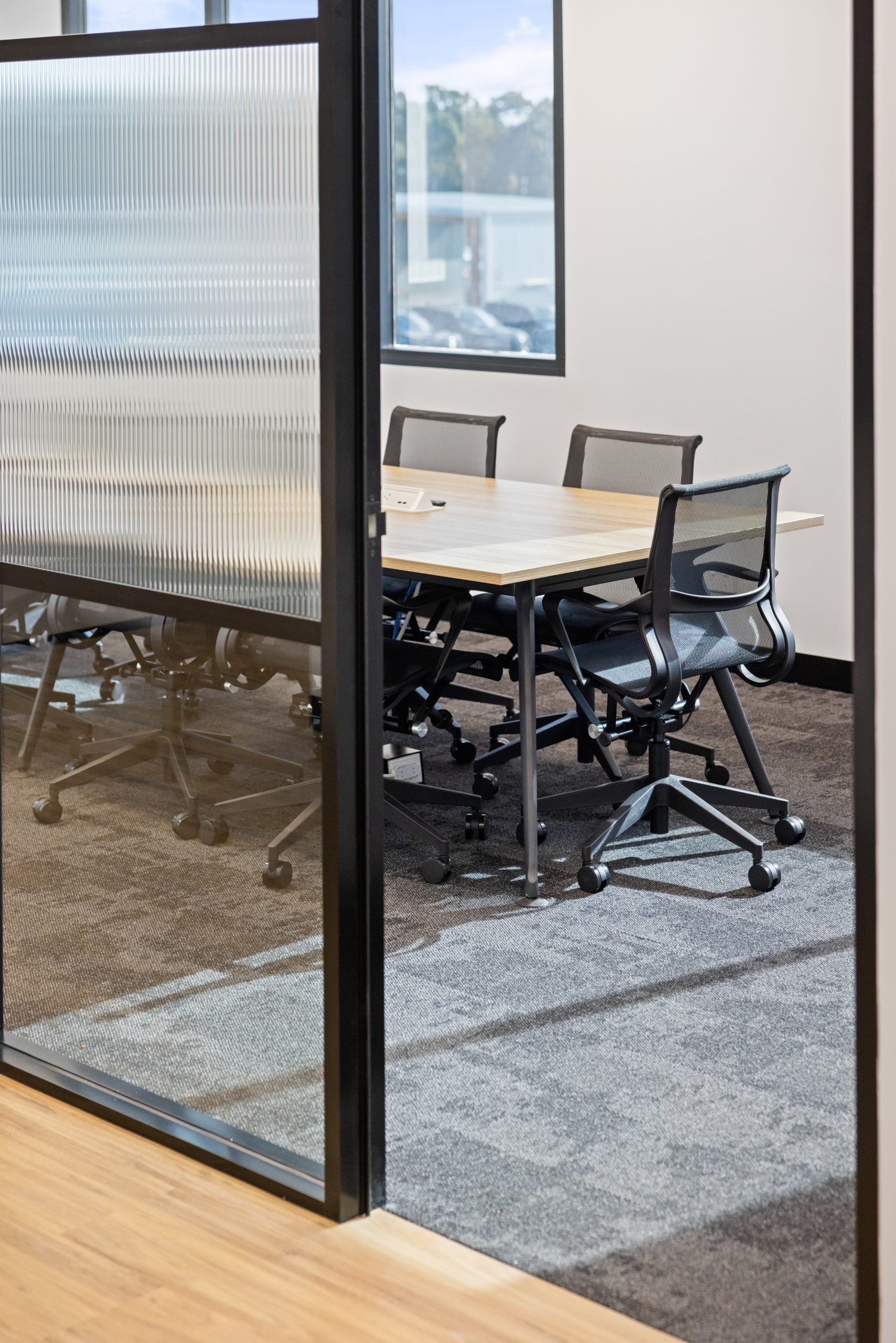
- Private rooms for confidential conversations
- Flexible work settings
- Improved acoustic treatments
- Spaces that support both collaboration and individual work
The most successful workplaces recognise that different tasks require different environments. Providing employees with choice allows them to work in ways that support both wellbeing and productivity.
Bringing Nature Into The Workplace
Biophilic design continues to gain momentum, but its value extends well beyond aesthetics.
Natural elements can contribute to a more comfortable and engaging workplace experience while helping create environments employees enjoy spending time in.
Practical approaches include:
- Maximising access to natural light
- Improving views to outdoor environments
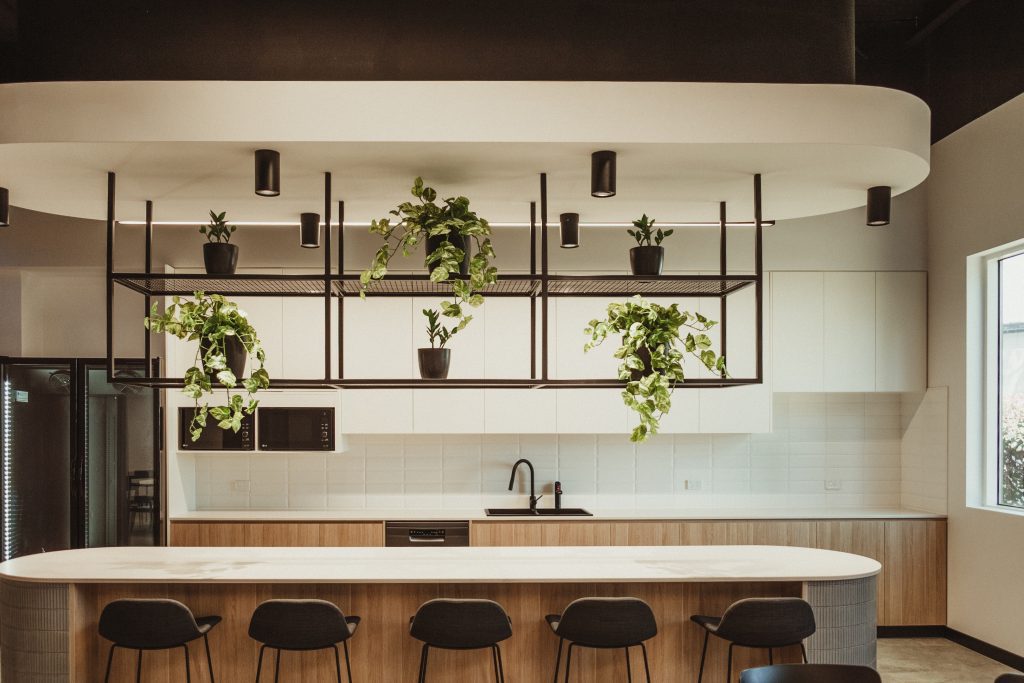
- Incorporating indoor planting
- Using natural materials and textures
- Supporting better air quality through considered design solutions
Importantly, biophilic design should align with operational realities and maintenance requirements. The goal is to create practical, sustainable workplace improvements rather than introducing features that become difficult to manage over time.
Supporting Flexible And Hybrid Work Models
As hybrid working continues to evolve, organisations are rethinking how workplace wellness supports both in-office and remote employees.
The office is increasingly becoming a destination for collaboration, culture and connection rather than simply a place to complete individual tasks.
This shift is driving demand for:
- Flexible meeting environments
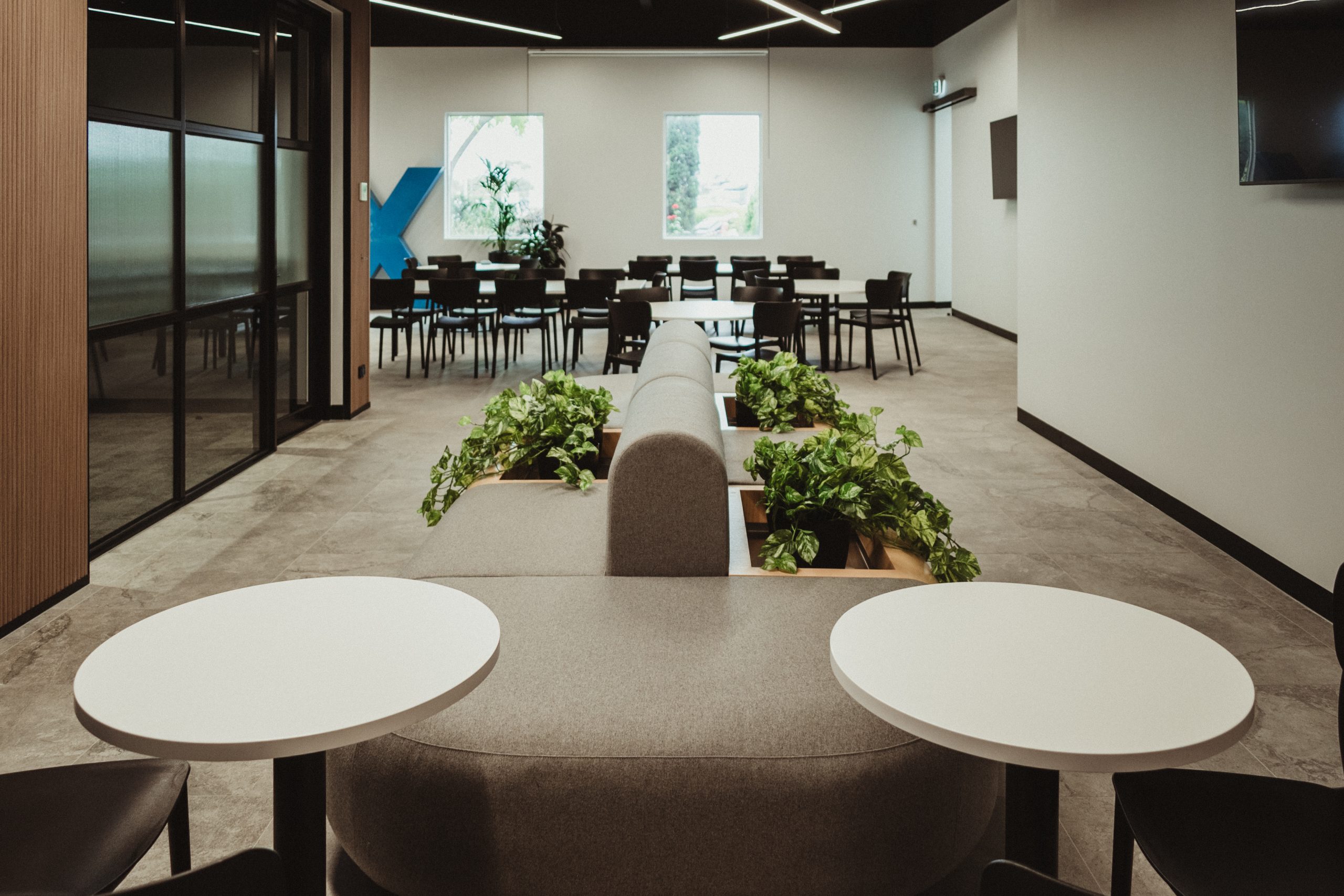
- Collaboration spaces
- Technology-enabled work settings
- Multi-functional areas that adapt to changing needs
- Better integration between physical and digital workplace experiences
The challenge is ensuring these environments remain effective as teams grow and workplace requirements change. Early planning can help organisations avoid costly modifications later while maintaining alignment between workplace strategy and employee experience.
Wellness Amenities That Deliver Real Value
Workplace wellness amenities continue to evolve, but organisations are becoming more selective about where they invest.
Rather than adding features simply because they are trending, businesses are increasingly assessing how amenities contribute to utilisation, engagement and overall workplace performance.
Depending on organisational needs, this may include:
- End-of-trip facilities
- Wellness rooms
- Flexible social spaces
- Healthy food and beverage options
- Outdoor work and breakout areas
The most successful amenities are those that support how people actually use the workplace. Understanding employee needs early helps ensure investment is directed toward features that will be valued and regularly used.
Creating Healthier Indoor Environments
Indoor environmental quality is becoming a growing area of focus across workplace design and delivery.
Factors such as ventilation, air quality, thermal comfort and lighting all influence how employees experience a workplace throughout the day.
Forward-thinking organisations are paying greater attention to:
- Ventilation performance
- Air quality management
- Access to natural light
- Appropriate task lighting
- Thermal comfort across different work settings
While these elements are often less visible than other workplace features, they can have a significant impact on employee comfort and workplace satisfaction.
Addressing these considerations early can also reduce delivery risks and prevent costly changes during later project stages.
Why Planning Matters More Than Trends
The challenge with any workplace trend is that not every solution is right for every organisation.
A wellness initiative that works effectively in one workplace may create operational challenges in another.
This is why successful workplace wellness outcomes are typically shaped well before construction begins.
Early planning allows organisations to align workplace strategy, employee needs, operational requirements, budget expectations and programme considerations before significant commitments are made.
It also helps ensure wellness initiatives are practical, achievable and connected to measurable business outcomes rather than simply following industry trends.
Wellness Trends Come And Go, Workplace Performance Remains
Workplace wellness will continue to evolve as employee expectations, work patterns and business priorities change. The organisations seeing the greatest value are not chasing every new trend. They are making deliberate decisions about which initiatives will improve employee experience, support performance and align with the way their business operates.
The most successful outcomes come from understanding what people genuinely need from a workplace and translating that into practical, achievable solutions. That requires more than selecting wellness features. It requires careful planning, clear priorities and an understanding of how workplace decisions affect operations, culture and long-term business performance.
Whether you’re refreshing an existing workplace, planning a relocation or preparing for future growth, wellness should be considered alongside every other business-critical decision, not added as an afterthought.
If you’re exploring how your workplace can better support your people and your business objectives, talk to the team at Workspace 360. We’ll help you assess the opportunities, align priorities and create a workplace that is ready to deliver value from day one.