
Top 10 Things to Look Out For When Comparing Quotes for Your Fitout Project
A fitout quote should give you clarity and confidence, not confusion. Our goal is to help clients understand what sits behind the price so they can make informed decisions and avoid costly surprises down the track.
1. What’s Actually Included
A commercial fitout goes far beyond the visual elements. Every quote should include design, documentation, project management, trades, materials, and all compliance work.
If a quote is significantly cheaper, it often means key components have been reduced or excluded – which will reappear later as variations.
2. Material Quality and Product Specifications
Two quotes might list the same items but use very different products.
Commercial-grade flooring, joinery quality, workstation durability, lighting performance, and warranties can vary dramatically.
Lower-quality materials cost less upfront but often require early replacement.
3. Level of Design Detail
A major reason quotes differ is the amount of design and documentation completed upfront.
Basic layouts or preliminary designs leave many costs unaccounted for.
A fully resolved design eliminates guesswork and ensures accurate pricing.
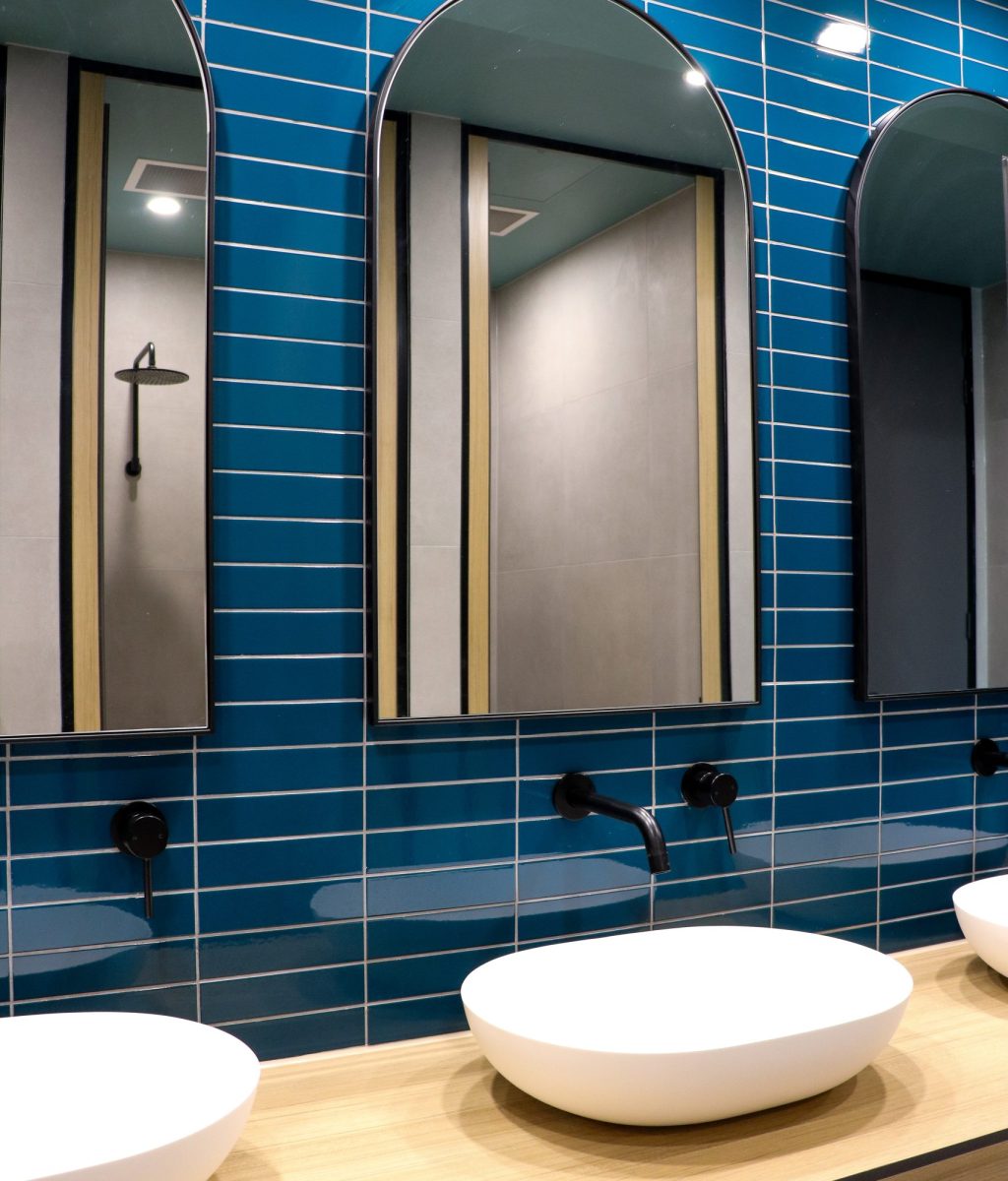

4. Accuracy of Services Allowances (Electrical, Mechanical, Data, Fire)
Service upgrades and compliance work can make or break a budget.
Cheaper quotes often under-allow for electrical works, data infrastructure, air-conditioning modifications, or fire compliance.
These “hidden” elements quickly become expensive variations when not properly costed.
5. Project Management and Site Supervision
Not all project delivery models are created equal.
Lower quotes often assume minimal supervision, limited coordination, or inconsistent trade management – resulting in delays, defects, and quality issues.
A strong project team protects your budget and your outcome.
6. Compliance and Regulatory Requirements
Every commercial fitout must meet strict building codes.
Quotes that don’t cost compliance properly expose your business to risk and potential rework.
Fire services, accessibility, essential safety measures, and building permits must be included and clearly itemised.
7. Realistic Timelines
A quote should outline achievable timelines based on design complexity, lead times, and onsite requirements.
If a timeframe seems too fast or vague, it may not include proper planning, coordination, or resourcing – which can lead to delays and disruptions.
8. Exclusions and Assumptions
This is one of the most important sections of any quote.
Exclusions reveal what hasn’t been costed, and assumptions show where provisional allowances have been made.
A cheaper quote often hides risk here. A clear quote outlines everything upfront.
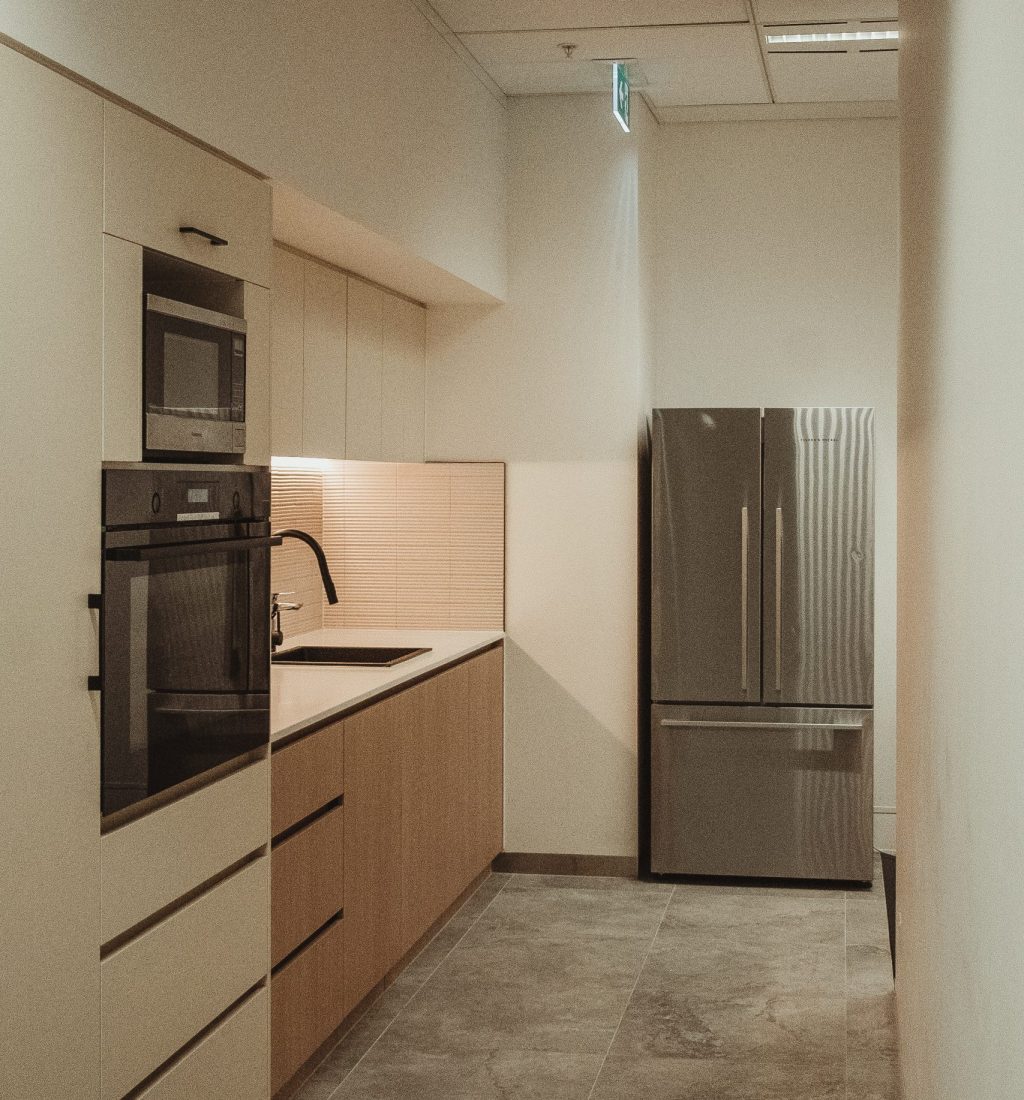

9. Aftercare, Warranty and Post-Project Support
Does the quote include warranties, defect management, or support after handover?
Some companies deliver the project and disappear.
A complete quote outlines aftercare, warranty terms, and who to call if anything needs attention once you move in.
10. Long-Term Value vs. Short-Term Cost
A low price can be tempting, but it rarely equals long-term value.
Materials that wear quickly, unresolved design, poor supervision, and compliance shortcuts lead to early maintenance, downtime, and rework.
A well-designed, well-built fitout saves money over the life of the space – not just on day one.
Why a Workspace 360 Quote Looks Different
We break down every component so you understand exactly what you’re paying for, no grey areas, no hidden surprises.
Your workspace is a major investment, and you deserve a team that does things properly, with quality, safety, and longevity in mind.
Talk to the Workspace 360 team – let’s build a workspace that’s fit for life, not just for now.