
Planning Your Second Fitness Location: What Growing Businesses Should Know
Expanding to a second gym or wellness location requires more than finding another site. Learn how to plan for sustainable growth with greater confidence.
Planning Your Second Fitness Location: What Growing Businesses Should Know
Opening your first fitness or wellness business is a significant milestone. Planning your second is a different challenge altogether.
By this stage, you’ve gained valuable experience. You understand your members, your operations and what has contributed to your success. At the same time, you’re likely balancing new pressures, protecting cash flow, maintaining service standards and ensuring the next location delivers the same quality experience as the first.
Growth brings opportunity, but it also raises the stakes.
The decisions made before securing a second site can have a lasting impact on project costs, operational efficiency and how confidently your business continues to expand.
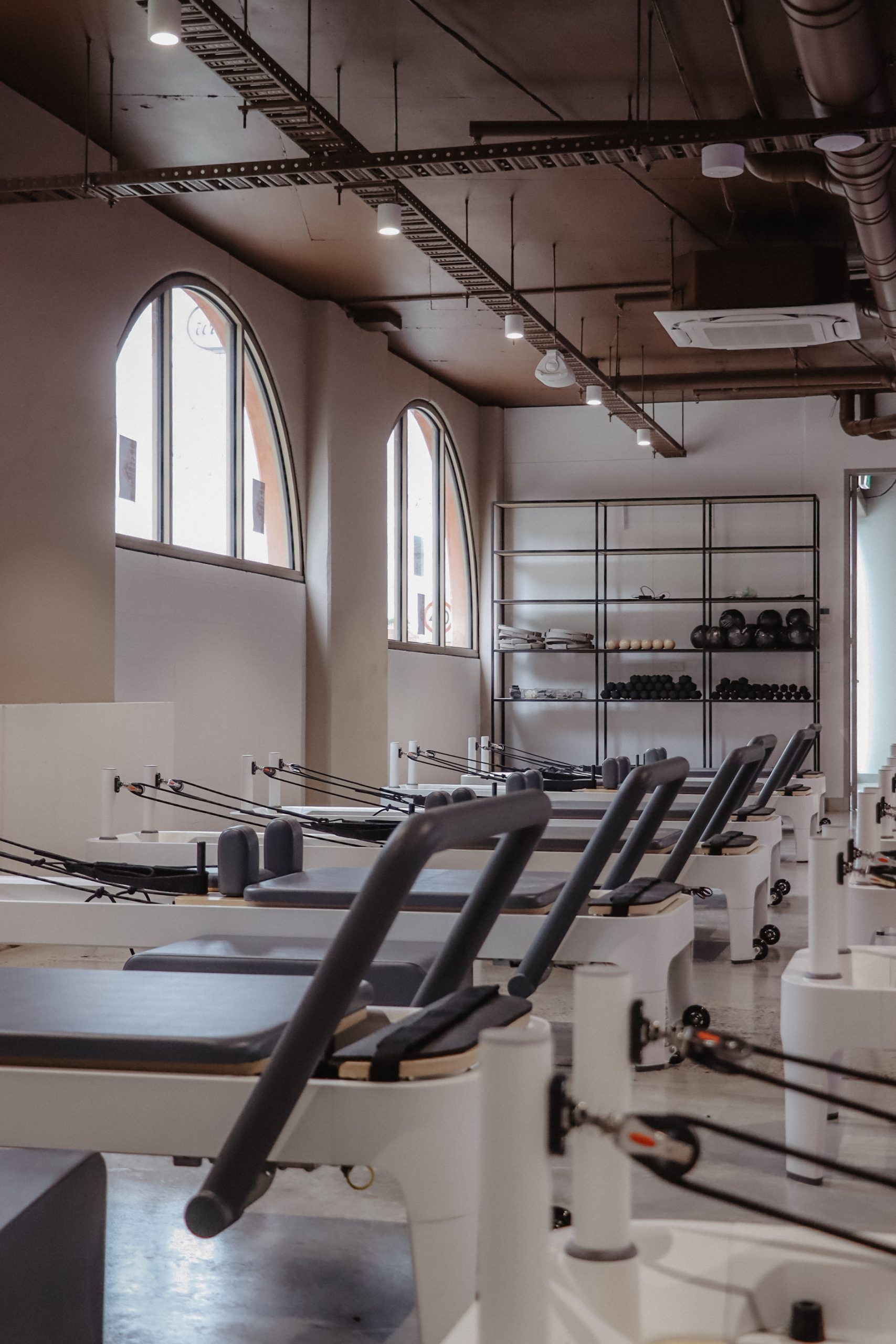
Whether you’re opening another Pilates studio, gym, recovery centre or wellness facility, thoughtful planning creates a stronger foundation for long-term success.
Build On Experience, Not Assumptions
Your first location has already taught you valuable lessons.
Perhaps reception became overcrowded during peak periods. Maybe storage was overlooked, staff facilities felt too small or there wasn’t enough flexibility to introduce new services as your business evolved.
A second location provides an opportunity to improve on what you’ve already learned.
Rather than simply recreating the original design, take time to identify what worked well operationally and where improvements could make a meaningful difference.
Every successful business evolves, and your next facility should reflect that progression.
Choose A Site That Supports Your Next Stage Of Growth
It can be tempting to compare every potential property to your existing location.
Instead, focus on what your business needs now.
Consider factors such as surrounding demographics, accessibility, parking, visibility and neighbouring businesses, but also look beyond location alone.
Can the building support your equipment and services?
Will the available services accommodate your operational requirements?
Does the layout allow members to move comfortably through the facility?
Is there flexibility to introduce additional offerings in the future?
Selecting a tenancy that supports both current operations and future growth often leads to stronger long-term outcomes.
Create Consistency Without Limiting Flexibility
One of the biggest challenges when expanding is maintaining a consistent member experience across multiple locations.
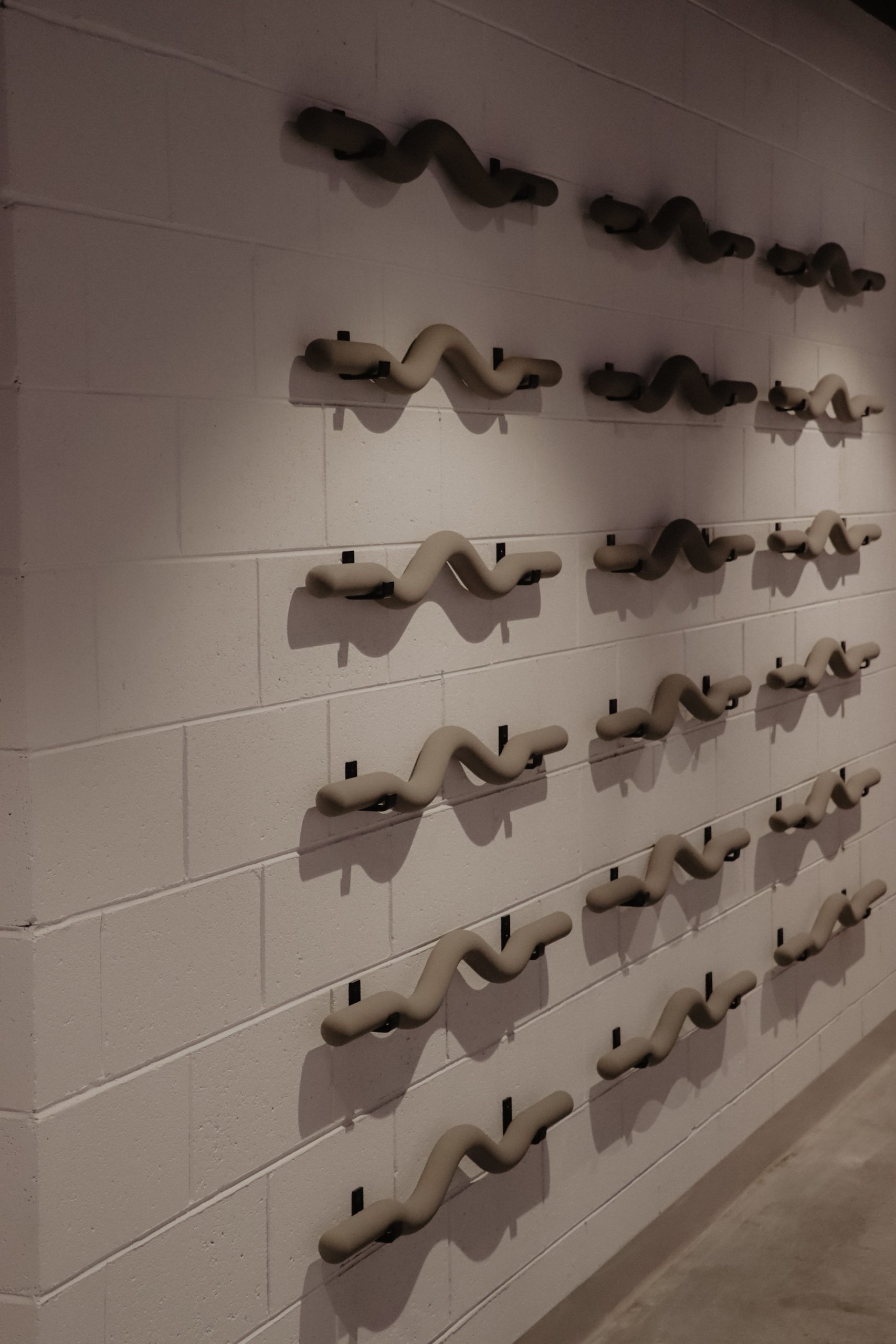
Members should recognise your brand the moment they walk through the door, regardless of which facility they visit.
That doesn’t mean every location needs to be identical.
Each building presents different opportunities and constraints, and every community may use the space differently.
The goal is to create consistency where it matters most, including member journey, operational efficiency, branding and service delivery, while allowing each location to respond to its own environment.
Think Beyond Opening Day
The second location isn’t simply another project.
It’s another business operation that needs to run efficiently from day one.
Planning should consider questions such as:
-
How will staff move between locations?
-
Will equipment maintenance be consistent?
-
Are storage requirements the same?
-
Can systems be replicated easily?
-
Will operational procedures remain consistent across both sites?
Considering these practical requirements early helps reduce complexity once the doors open.
The objective isn’t simply to complete another fitout. It’s to establish another facility that performs confidently from the beginning.
Align Budget, Programme And Business Goals Early
As businesses grow, so do the number of decisions and stakeholders involved.
Expanding into a second location often means balancing lease commitments, equipment procurement, branding, staffing, approvals and construction simultaneously.
When these elements are considered independently, projects can become more difficult to coordinate.
Early alignment creates greater clarity.
By understanding the scope, budget, buildability and project programme before construction begins, businesses can make informed decisions with greater confidence and reduce the likelihood of unexpected changes later.
This provides stronger cost control while helping the project move towards opening with greater certainty.
Partner With A Team That Understands Growth
Opening a second location is about much more than delivering another fitout.
It is about creating a repeatable process that supports continued expansion.
An integrated approach allows design, planning and construction decisions to be considered together from the outset, helping reduce handover gaps, improve communication and maintain accountability throughout the project.
For growing fitness and wellness businesses, this can provide greater confidence that every decision is supporting both the immediate project and the long-term direction of the business.
Growth Is Easier With The Right Foundations
Expanding into a second location is an exciting milestone, but it also marks a shift in how your business operates.
The choices made during planning influence far more than construction. They affect member experience, operational efficiency, consistency across locations and your ability to continue growing with confidence.
At Workspace 360, we work alongside fitness and wellness operators from the earliest planning stages through design, approvals, construction and handover. Our integrated approach helps align scope, budget and programme from the beginning, creating a clearer path from the first decision through to a facility that’s ready to perform from day one.
Planning Your Next Location?
If you’re preparing to expand your fitness or wellness business, early planning can make all the difference.
Talk to the team at Workspace 360 about creating a clear, accountable pathway from your next business decision through to a successful opening, with one integrated process designed to support sustainable growth.