
What Support Should You Expect After Your Commercial Fitout?
Practical completion is an important milestone in any commercial fitout.
The construction is complete, your team is moving into a new workplace and the business is preparing to operate in a space designed to support its next stage of growth.
But while the keys may have been handed over, a successful project doesn’t simply end there.
Moving into a new workplace is a transition. Teams are adapting to new technology, new ways of working and a different environment. Building systems are being used every day, operational routines are taking shape and the workplace is beginning to support the business exactly as it was intended.
This is where having the right delivery partner continues to make a difference.
The best fitout experience isn’t measured only by what happens during construction. It’s also reflected in the support, accountability and communication that continue after handover.
Handover Is A Milestone, Not The Finish Line
A well-planned fitout should be ready to perform from the day your team moves in.
That is why early planning, clear documentation and an integrated delivery process are so important. They help reduce uncertainty, minimise disruption and create confidence long before construction is complete.
Even with thorough planning, however, settling into a new workplace is a natural part of every project.
Questions arise.
Teams become familiar with new systems.
Operational routines develop.
Having ongoing support during this transition provides reassurance that your business isn’t navigating those early stages alone.
A strong project doesn’t end with practical completion. It continues through a collaborative partnership that helps your workplace operate with confidence from day one.
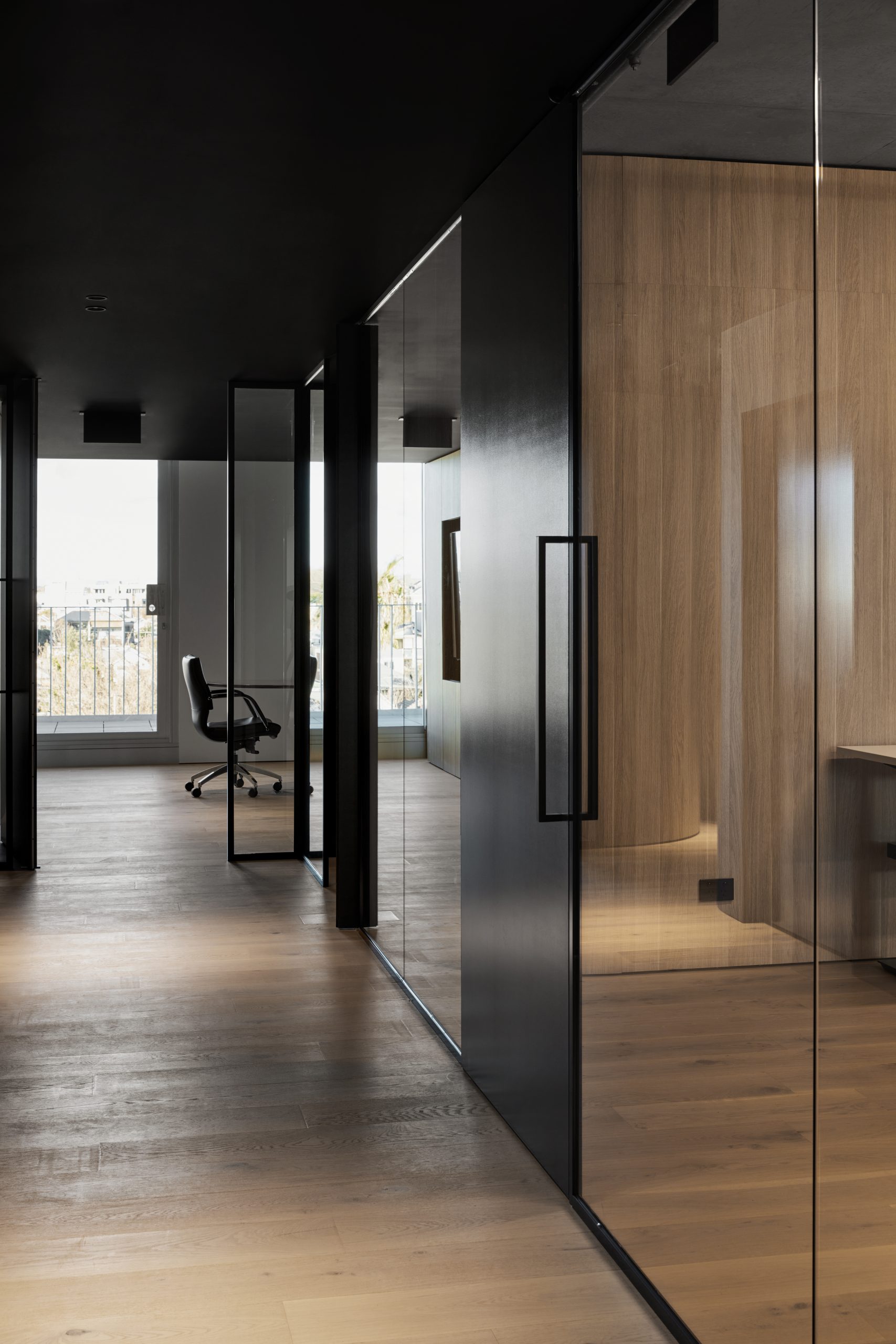


Helping Your Team Settle Into The New Workplace
Every workplace is designed around the way a business operates.
Once people begin using the space every day, they naturally become more familiar with meeting technology, access systems, building services and the different environments created to support collaboration and focused work.
Supporting this transition is just as important as delivering the physical space itself.
Clear handover information, practical guidance and access to the project team help ensure your people feel confident using their new workplace from the outset.
Rather than simply delivering a completed fitout, the goal is to help the business transition smoothly into its new environment.
Supporting The Move Into Everyday Operations
As your workplace begins operating, there may be small operational questions or adjustments that arise.
This doesn’t mean the project has fallen short.
It reflects the reality that every business develops its own rhythms once people are working within the space.
Whether it’s providing guidance around building systems, coordinating warranty matters or assisting with practical questions following occupation, ongoing communication helps maintain confidence throughout the transition.
Having one accountable point of contact also makes the process simpler.
Instead of navigating multiple suppliers, businesses have the reassurance of knowing exactly who to speak to if support is required.
Protecting Your Investment Beyond Completion
A commercial fitout represents a significant investment in your business.
Looking after that investment begins from the moment the workplace becomes operational.
Understanding maintenance requirements, manufacturer recommendations and warranty processes helps ensure building systems, finishes and equipment continue performing as intended.
Equally important is having documentation that gives facilities teams and business leaders confidence in how the workplace should be maintained over time.
Protecting the long-term performance of the workplace isn’t about reacting to problems.
It’s about providing the knowledge and support that help businesses get the most from their investment.

Building Long-Term Relationships, Not Just Delivering Projects
Many businesses continue to evolve after moving into a new workplace.
Teams grow.
Technology changes.
New departments emerge.
Operational priorities shift.
Having a delivery partner who understands the history of the project can make future changes significantly easier to manage.
Whether that involves adapting existing spaces, planning another stage of works or expanding into a new location, an ongoing relationship creates continuity and a stronger understanding of the business’s long-term goals.
For many organisations, the completion of one project becomes the beginning of the next chapter.
Why An Integrated Approach Makes A Difference
One of the advantages of an integrated strategy, design and delivery process is continuity.
The same team that understands the project’s objectives, budget, programme and operational requirements remains connected throughout the journey.
That continuity helps reduce handover gaps, improve communication and provide greater accountability from planning through to occupation.
Rather than viewing handover as the end of the project, it becomes another step in delivering a workplace that’s ready to support the business from the very beginning.
It’s an approach that gives organisations greater clarity, stronger confidence and the reassurance that support remains available when it’s needed.
A Great Fitout Is Measured By More Than Handover
A successful commercial fitout isn’t defined solely by construction milestones.
It’s measured by how well the workplace supports your people, your operations and your business long after practical completion.
At Workspace 360, we believe accountability doesn’t stop when construction finishes. From the earliest planning conversations through design, delivery and handover, we remain committed to supporting our clients as they transition into their new workplace and continue to grow.
Because creating a successful workplace isn’t just about delivering a space.
It’s about helping that space perform for the business that uses it.
Talk to the team at Workspace 360 about creating a workplace that’s designed to perform from day one, backed by one accountable process from planning through to handover and ongoing support as your business settles into its new environment.