
What Every Recovery Studio Needs Before Opening
Planning a recovery studio fitout? Learn what every recovery business needs before opening, from layouts and compliance to member experience and operational success.
What Every Recovery Studio Needs Before Opening
Recovery is no longer an add-on to the fitness industry.
Across Australia, dedicated recovery studios are becoming one of the fastest-growing segments in the wellness market. Ice baths, contrast therapy, infrared saunas, compression therapy, red light therapy and recovery lounges are attracting everyone from elite athletes to busy professionals looking to improve how they move, perform and recover.
As exciting as the opportunity is, opening a successful recovery studio requires far more than selecting the latest equipment.
Many operators spend significant time researching recovery technologies but less time considering how those services will actually function together inside a commercial space. The layout, services, member journey and operational planning behind the fitout often have a greater impact on the day-to-day success of the business than the equipment itself.
A recovery studio should support efficient operations, create confidence for members and allow the business to grow over time. Those outcomes are shaped long before construction begins.
Recovery Equipment Is Only One Part Of The Investment
Most recovery studios include multiple treatment modalities, each with its own technical requirements.
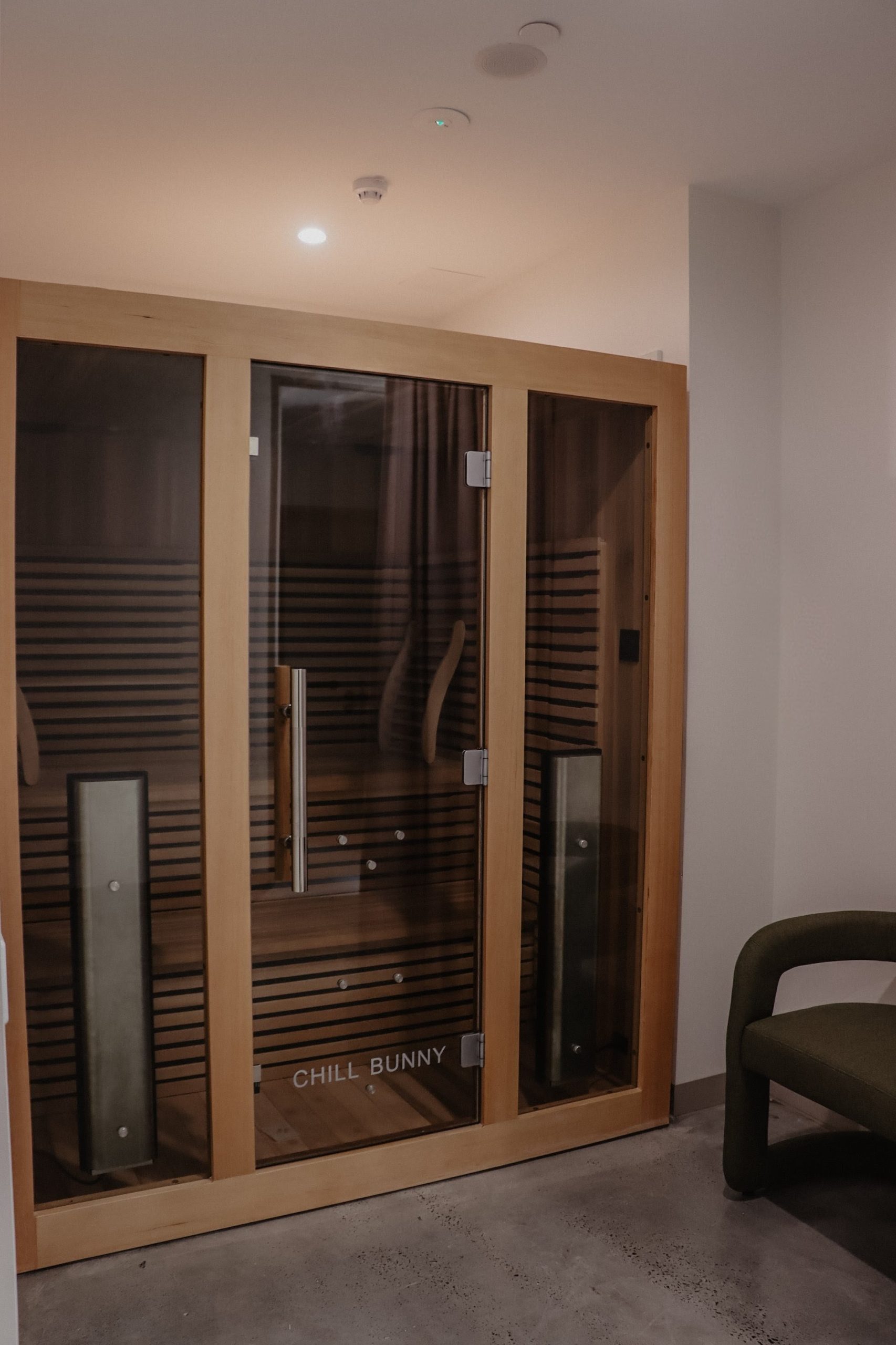
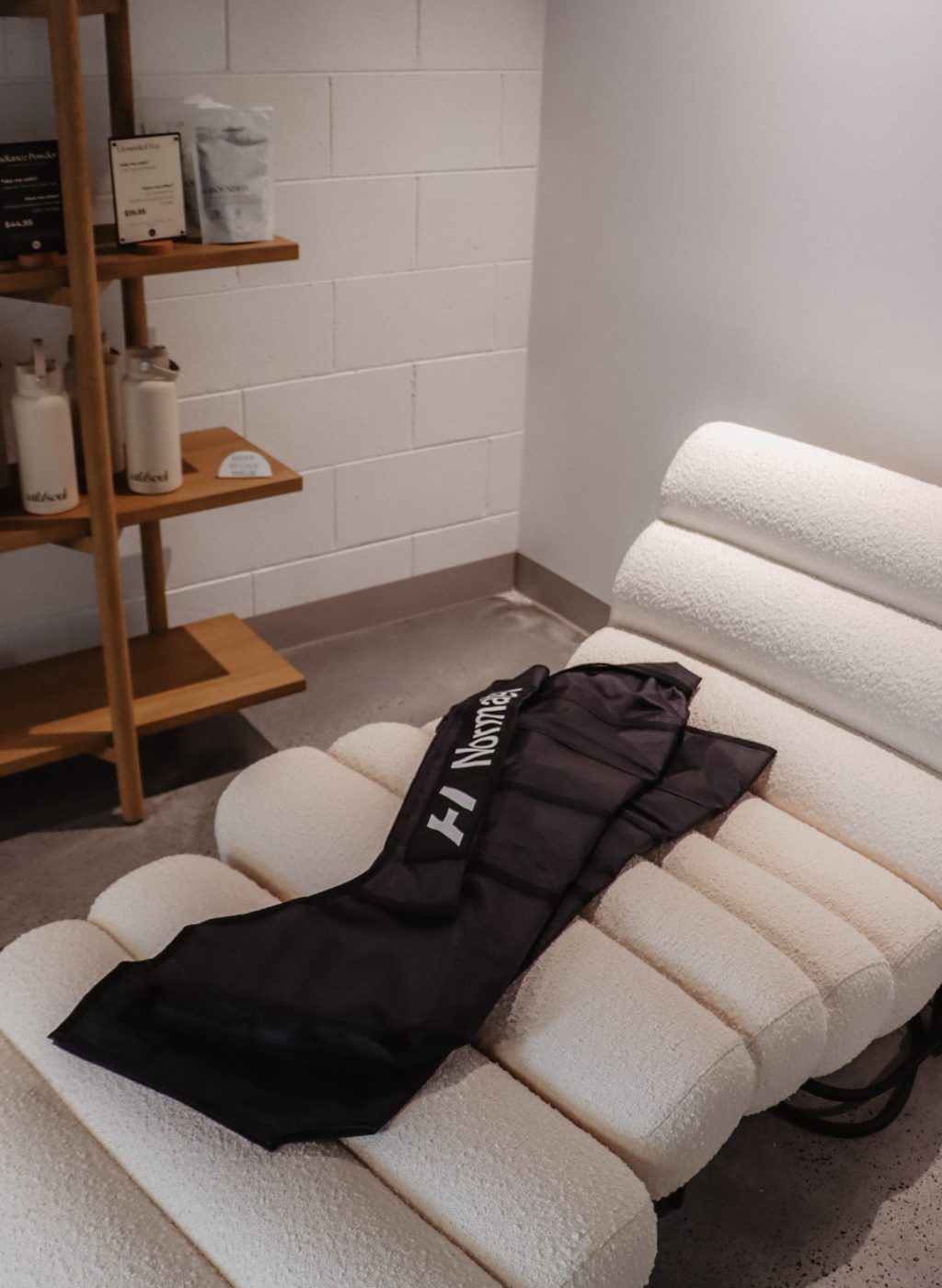
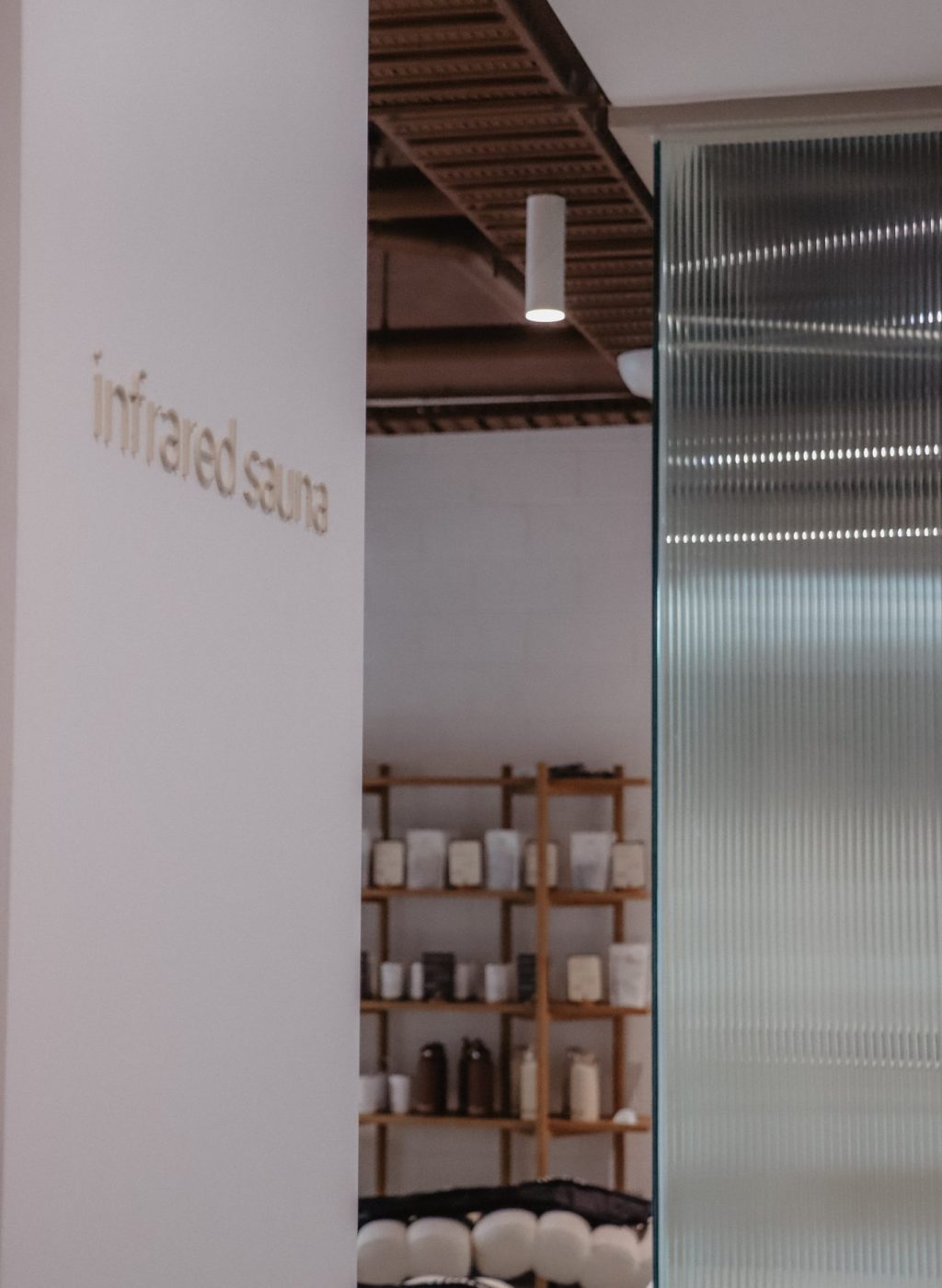
Ice baths require drainage, waterproof finishes and appropriate plumbing. Infrared saunas require electrical capacity and ventilation. Compression therapy lounges need quiet, comfortable environments where members can remain for extended periods. Red light therapy rooms require privacy, lighting control and carefully considered room sizing.
Individually these requirements may seem straightforward.
Combined into one commercial tenancy, they become a complex coordination exercise involving hydraulic services, electrical infrastructure, mechanical systems, waterproofing, acoustic performance and compliance.
The equipment often receives the most attention, but the supporting infrastructure is what allows everything to operate reliably from day one.
Member Experience Starts Before The First Treatment
Recovery is as much about how people feel as it is about the treatment itself.
Members often arrive after training sessions, long workdays or physically demanding activities. Their experience begins the moment they enter the studio, not when they step into an ice bath or sauna.
Clear reception areas, intuitive circulation, logical transitions between hot and cold therapies, comfortable waiting spaces and private treatment rooms all contribute to a calmer, more enjoyable experience.
Simple decisions around lighting, acoustics, temperature control and material selection can help create an environment that feels organised and relaxing without relying on unnecessary design features.
When the member journey has been planned properly, the entire business feels easier to use for both clients and staff.
The Services Behind The Walls Matter More Than Many Realise
Recovery studios rely heavily on the building services that members never actually see.
Power requirements vary considerably between different equipment manufacturers. Water supply, drainage capacity, ventilation and heating systems all need to be coordinated before construction begins.
If these requirements are discovered late, they can lead to redesign, programme delays, additional costs or compromises to the original layout.
Understanding the capability of the tenancy early allows decisions to be made with greater confidence and helps avoid expensive changes during construction. This is one of the reasons early planning has become increasingly important as recovery businesses continue to evolve.
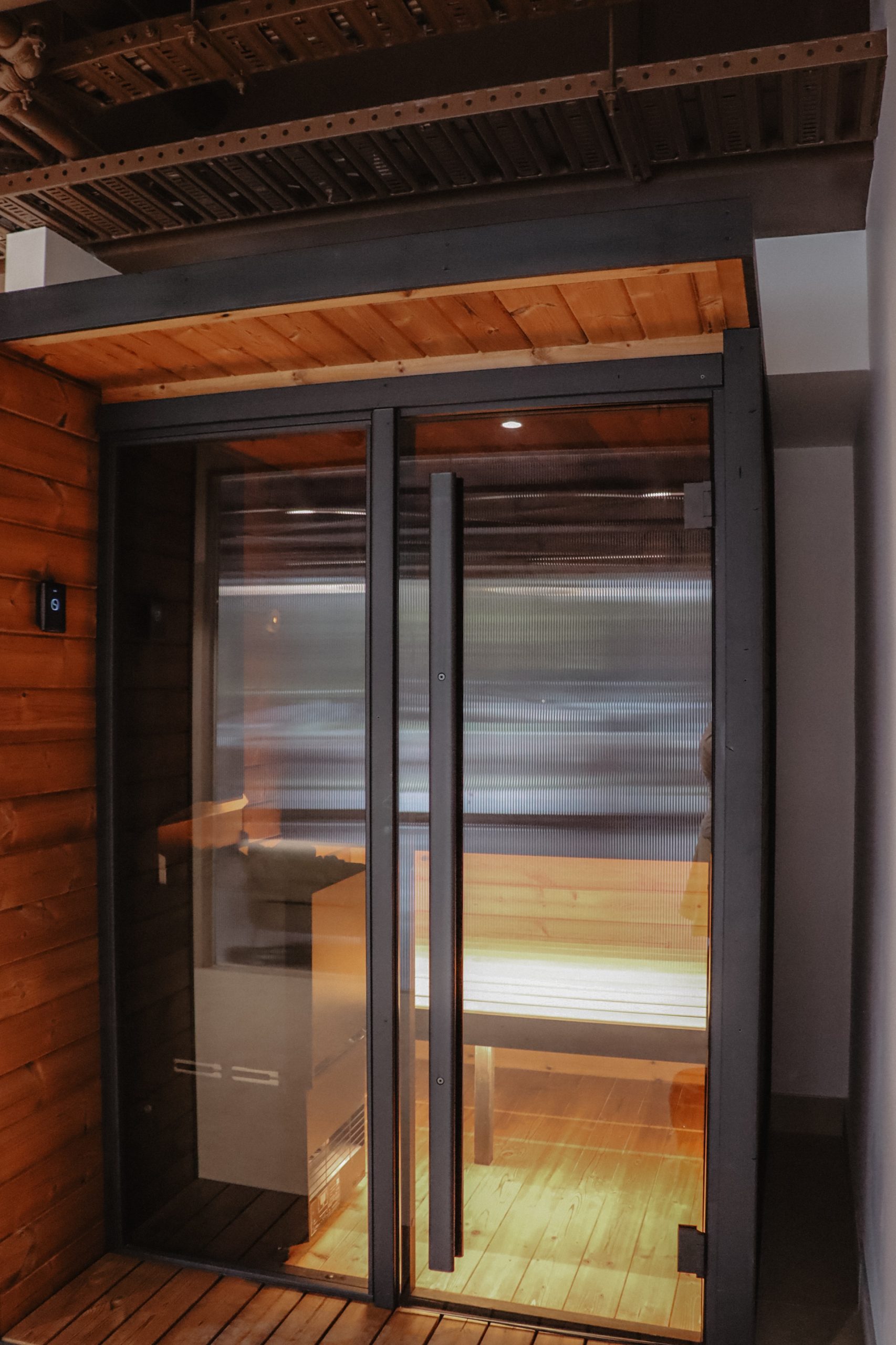
Bringing A Recovery Studio To Life
Recovery studios represent one of the most exciting growth areas within the Australian wellness industry, but successful facilities are built on much more than quality equipment.
The spaces that perform best are carefully planned around the way members move, the way staff operate and the way the business intends to grow.
At Workspace 360, we help wellness operators bring those moving parts together through one accountable process, from early planning and design through to construction and handover. By aligning operational requirements, technical services, budget and delivery strategy from the beginning, recovery studios are better positioned to open with confidence and perform from day one.
If you’re planning a recovery studio or exploring your next wellness venture, talk to Workspace 360 early. A clearer plan at the beginning creates a stronger foundation for everything that follows.
Plan For Operational Flow, Not Just Floor Space
A successful recovery studio is designed around how the business will operate every day.
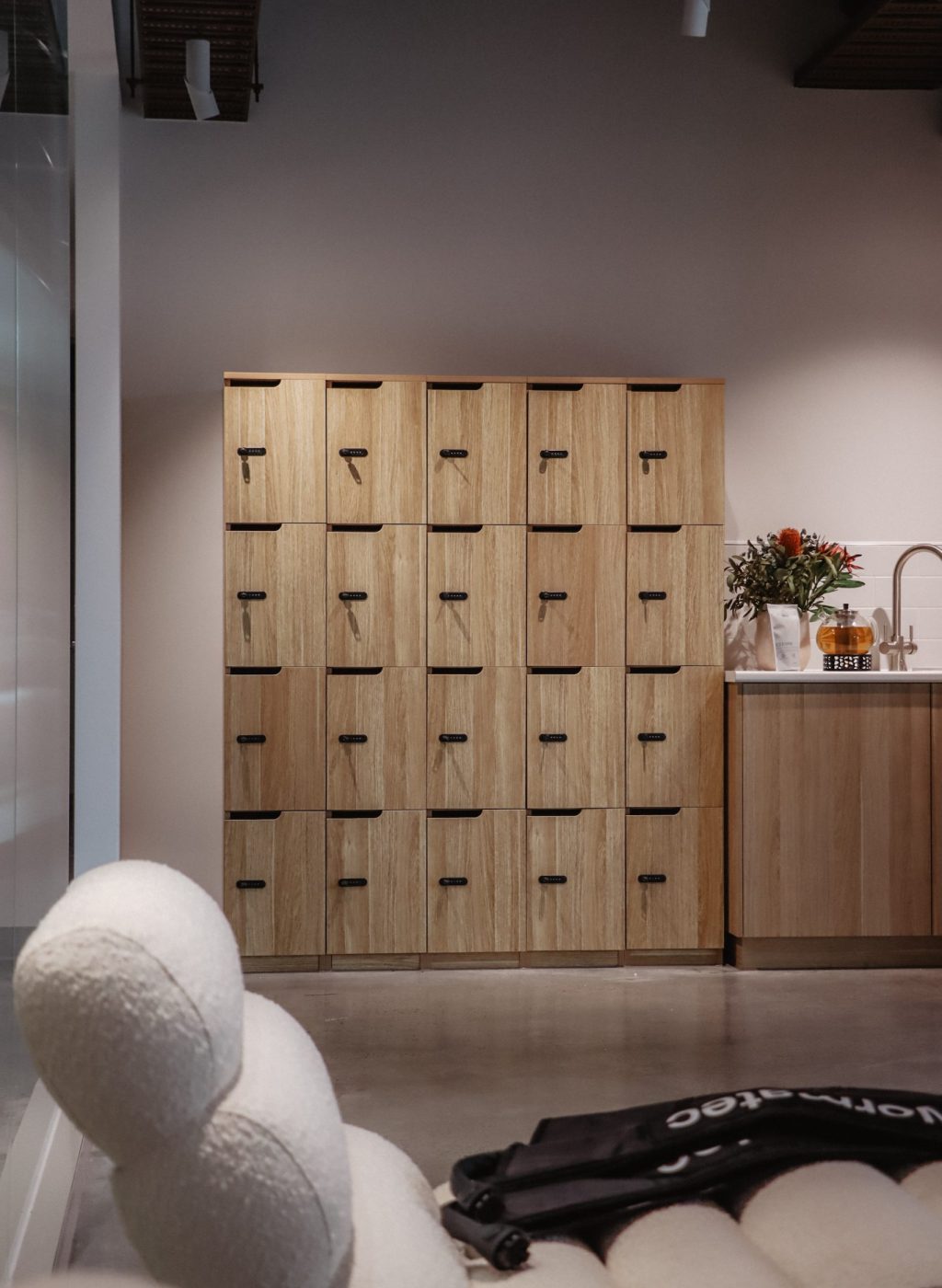
How many members can comfortably move through the space at one time? Where do towels, cleaning supplies and consumables need to be stored? How will staff monitor multiple treatment areas? Will reception become congested during peak periods? Can members move naturally between different recovery experiences without crossing paths unnecessarily?
These operational questions influence everything from room sizing and storage locations to circulation paths and staffing efficiency. A well-planned fitout reduces unnecessary movement, improves staff productivity and helps members enjoy a seamless experience throughout their visit.
Build A Space That Can Adapt As The Business Grows
Few recovery businesses remain exactly as they were on opening day.
New recovery technologies continue to enter the market, member preferences evolve and many operators expand their service offering as their business grows.
A fitout should provide flexibility wherever practical. That may include allowing space for future equipment, designing treatment rooms that can support different uses over time or ensuring electrical and hydraulic infrastructure can accommodate future upgrades without significant disruption.
Planning for flexibility does not necessarily increase project costs. In many cases, it simply means making informed decisions early that protect future options.
Why Early Planning Creates Better Outcomes
Many of the biggest challenges in recovery studio projects occur before construction even starts.
Lease conditions, landlord approvals, base building services, consultant coordination, equipment lead times and authority approvals all influence the overall delivery programme.
When these elements are considered independently, projects often become more difficult to manage. When they are aligned early, decisions become clearer, budgets are easier to control and construction can proceed with greater certainty.
This is where an integrated approach adds real value.
Rather than treating strategy, design and construction as separate stages, early collaboration allows scope, buildability, services and programme to be considered together from the outset.
The result is fewer surprises, stronger cost control and a smoother path from concept to opening day.