
Can Gym Design Help Turn Trial Visitors Into Long-Term Members?
A trial visit gives someone a short window to imagine the gym becoming part of their routine. Alongside the equipment and finishes, they notice how easy the space feels to enter, understand and use.
Design cannot replace strong coaching, service, programming or membership value. It can support each of them by reducing uncertainty, clarifying the training offer and creating an experience that continues to work after the tour.
The most effective fitouts consider both moments: the first visit that builds confidence and the repeated visits that turn intention into habit.
Design the First Five Minutes
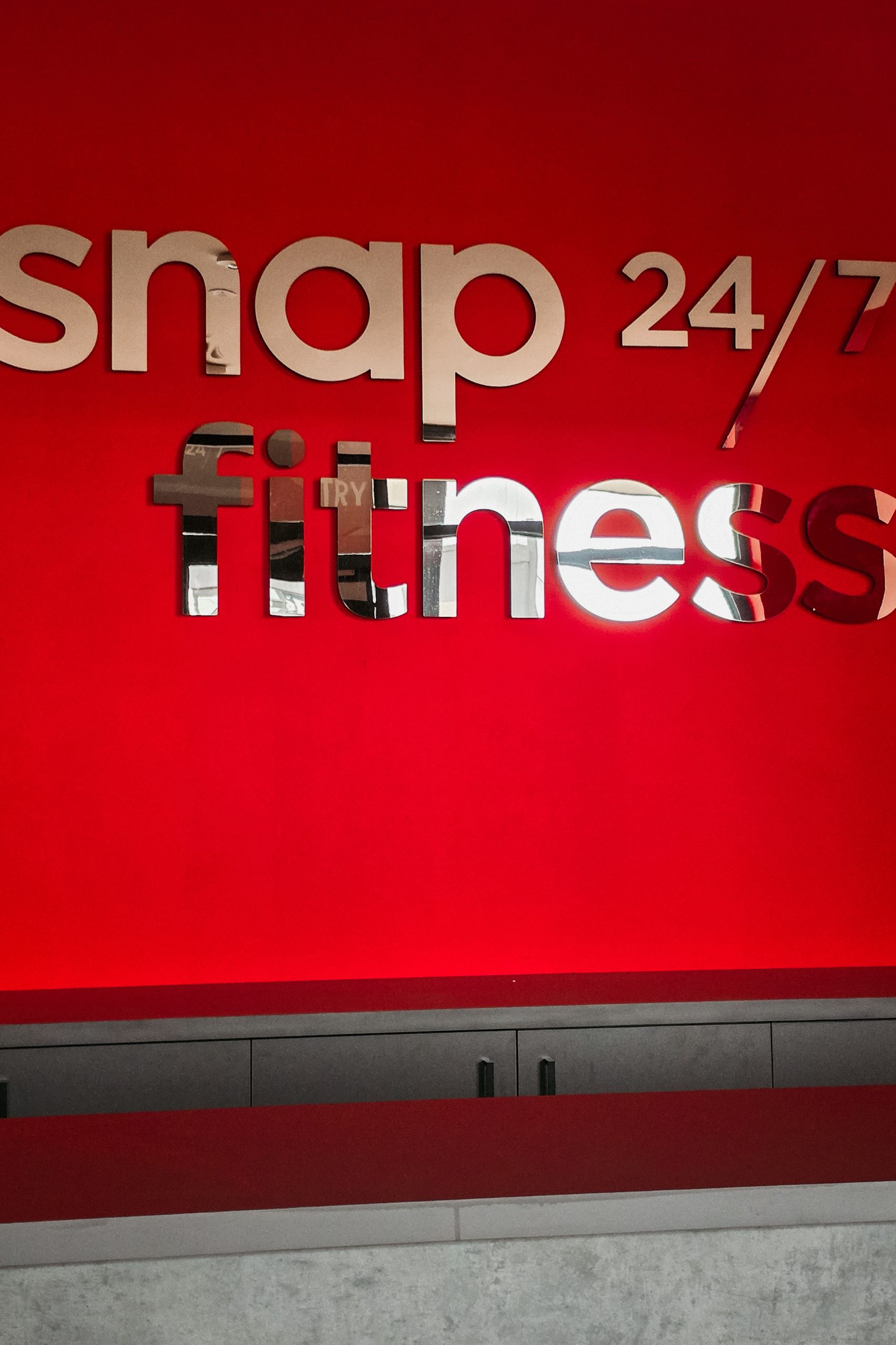
The member experience begins before anyone starts training. Finding the entrance, understanding where to check in and knowing what to do with personal belongings all influence how comfortable a trial visitor feels.
A clear arrival sequence can make the gym feel welcoming without requiring excessive signage. Reception should be visible, access points should be easy to understand and the route into the facility should not place a new visitor directly into the middle of an active training zone.
Reception should support the first conversation, whether it involves an introduction, membership discussion, health screening or tour, without blocking regular members entering and leaving.
Lighting, materials and brand cues can reinforce the marketing promise, but the experience should remain authentic. An organised arrival lets visitors focus on the workout rather than working out the building.
Make the Gym Easy to Read
Someone visiting for the first time does not yet understand the gym’s routines. Clear spatial organisation can help them identify where different activities take place and how to move between them.
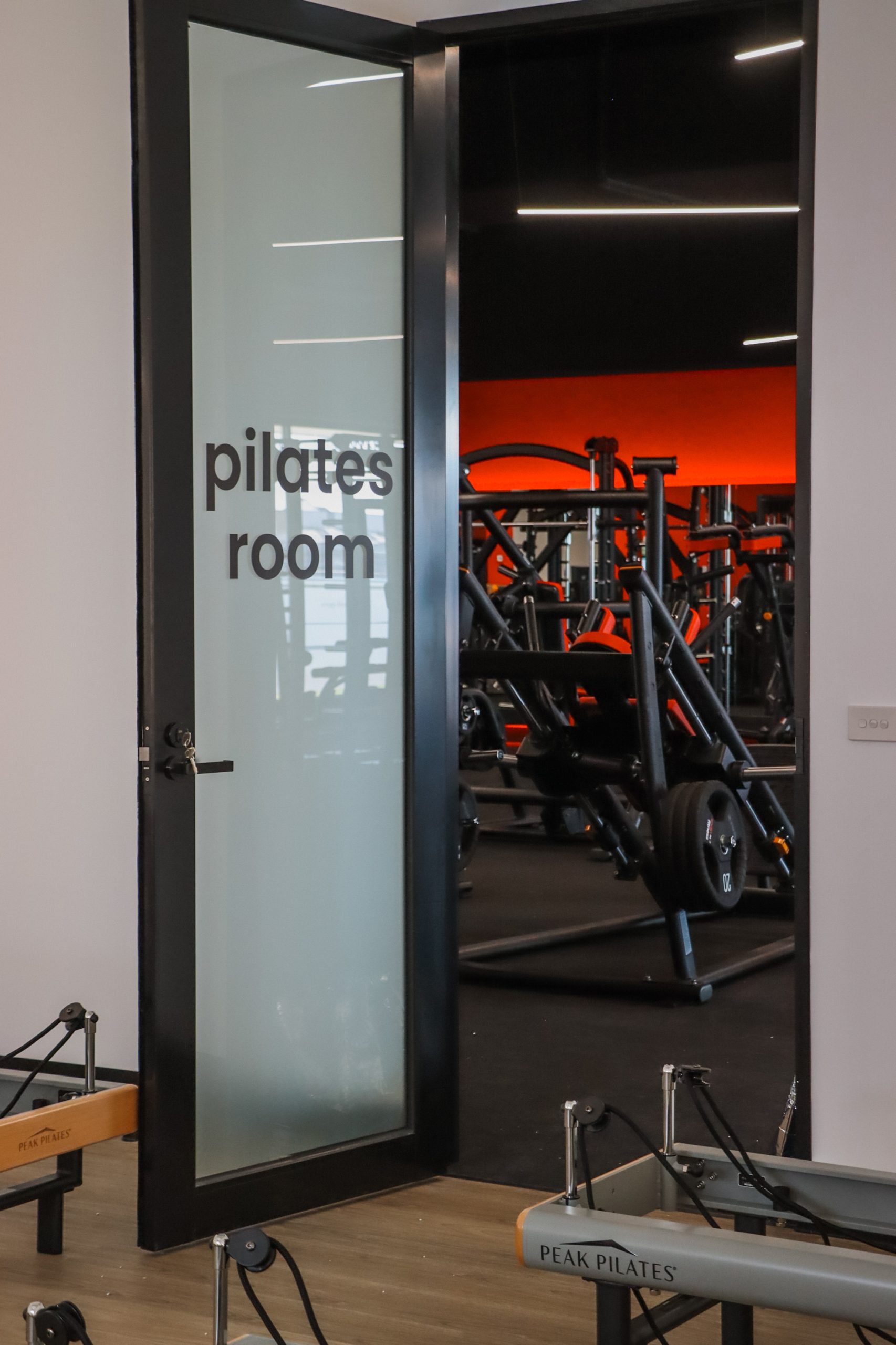
Sightlines from reception can reveal key zones without exposing everything at once. Flooring, lighting, colour or ceiling treatments can distinguish cardio, strength, functional training, studios and recovery while keeping the gym connected.
Members should reach equipment, lockers, amenities and water without cutting through active lifting or class zones. Equipment placement should clarify where exercises happen and where someone can safely wait or pass.
This legibility supports more than the tour. A visitor who can picture navigating the gym independently is more likely to see it as a place they could use confidently on an ordinary day.
Show Different Members a Place for Themselves
Trial visitors arrive with different experience levels, goals and expectations. An experienced member may be looking for equipment variety and efficient training flow, while a beginner may be assessing whether the environment feels approachable.
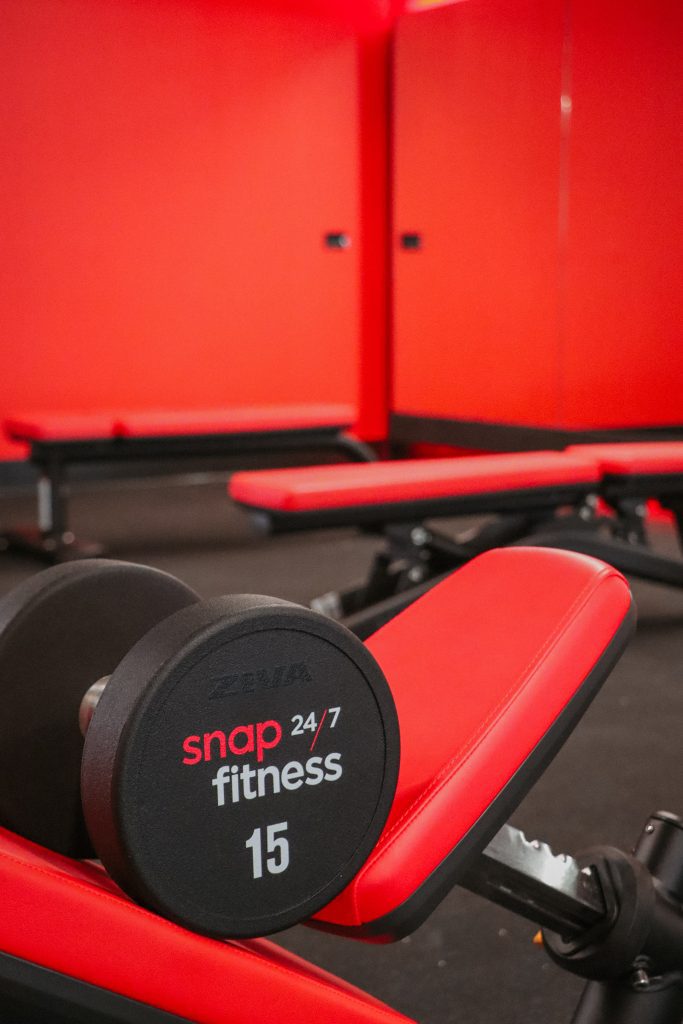
Clear training zones, logical equipment progression and room around commonly used stations can help new members get started while allowing experienced users to train at their preferred intensity.
Some people value a visible group-training area. Others prefer a quieter place for stretching, technique practice or their first workouts. A mix of open, social and lower-pressure settings provides different ways to engage.
The goal is not to design for one ideal member. It is to make the full offer easy to recognise so each visitor can identify the spaces and experiences that fit their own routine.
Balance Energy With Comfort
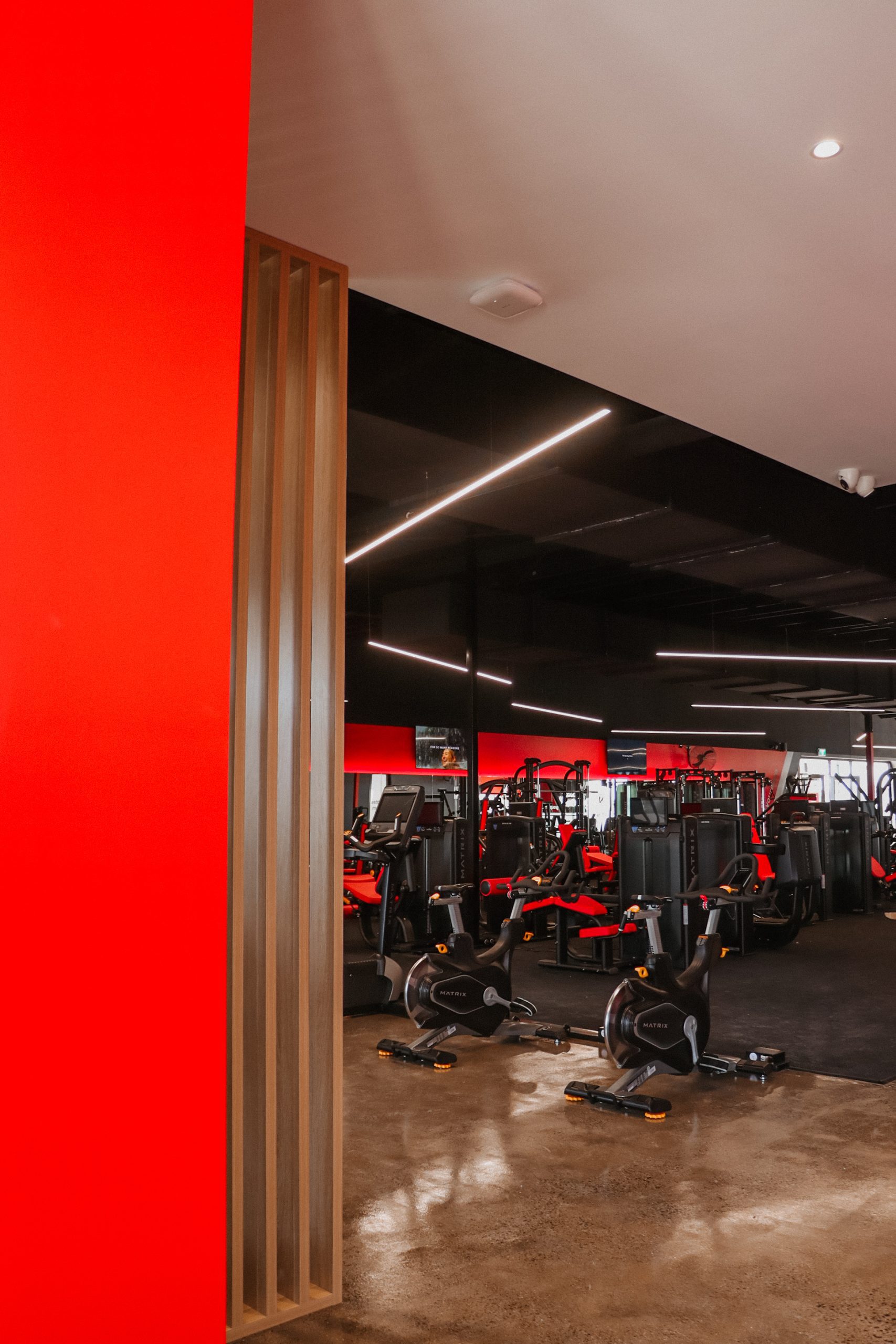
Atmosphere can create excitement during a trial, but comfort influences whether someone wants to return several times each week. Lighting, acoustics, ventilation, temperature and personal space all contribute to that balance.
Music and activity can create energy, although sound should be managed so instructors can be heard and neighbouring zones remain usable. Lighting can add character while maintaining visibility for movement and equipment setup.
Air quality and temperature become noticeable at peak times. Mechanical services should respond to occupancy and activity intensity, recognising that change rooms, studios and recovery areas may require different approaches.
Comfort also includes privacy and choice. Thoughtful screening, changing arrangements and equipment orientation can help members feel at ease without disconnecting them from the wider gym community.
Support Staff Visibility and Connection
People often turn a first visit into a membership because they feel supported, recognised and clear about what to do next. The fitout can help staff deliver that experience.
Reception, consultation areas and staff positions should let the team welcome visitors while remaining connected to the gym floor. Good sightlines make staff easier to find and create natural opportunities for conversation.
At the same time, sensitive discussions may need a degree of privacy. A small consultation setting can provide somewhere to discuss goals, memberships or assessments without making the visitor feel removed from the energy of the facility.
Trainer storage, work points and access routes also affect service. When staff can retrieve equipment and prepare efficiently, more attention remains on members. These operational details shape interactions throughout the membership.
Keep the Everyday Experience Consistent
A successful trial is only the beginning. Retention depends on how the gym performs during ordinary visits, particularly when it is busy.
Members need logical equipment layouts, enough peak-time circulation and storage that keeps training areas organised. Amenities and routes should still work when a class begins or several people arrive together.
Cleaning and maintenance influence perception as much as finishes. Durable materials, accessible services and clear storage help the team keep the gym presentable without disrupting large areas.
A fitout that performs consistently supports trust. The experience shown during the trial should be the experience a member can reasonably expect after joining, rather than a version that only works when the facility is quiet.
Plan for the Relationship, Not Only the Tour
The strongest gym design decisions connect the brand promise, the operating model and the member journey. They help a visitor understand what the gym offers today while leaving enough flexibility for their routine to develop.
Someone may begin with guided sessions, then move towards independent training, group classes or recovery services. A varied and connected fitout can support that progression within one facility.
Testing the design through several perspectives can help. What does a first-time visitor see on arrival? Where does a regular member go during the evening peak? Can staff maintain a consistent level of service? Does the space still represent the brand once the novelty of opening has passed?
Design alone cannot guarantee conversion or retention. When it is aligned with the people, service and training offer, however, it can make joining feel easier and returning feel natural.
Workspace 360 brings gym planning, interior design, services coordination and construction delivery together. By considering the complete member journey early, we can help create fitness spaces that support the first impression and the long-term experience.