
Can Your Workplace Help Attract and Keep the Right People?
People choose an employer for many reasons, including the role, leadership, culture, flexibility, career opportunities and remuneration. The workplace is not a substitute for any of these, but it is one of the places where employees see whether the organisation’s promises are reflected in everyday experience.
For a candidate, the space can shape an early impression of how the business operates and what it values. For an existing employee, it can either support or complicate the work they do each day.
A thoughtful fitout can help an organisation communicate its culture, give people practical reasons to use the workplace and create an environment in which the right employees can see themselves succeeding over time.
Make the Employee Offer Visible
Every organisation has an employee offer, whether it is formally defined or simply experienced. It may be built around collaboration, professional development, flexibility, wellbeing, customer service or technical excellence.
The workplace can make these priorities tangible. A business that promotes collaboration needs suitable places for teams to work together. One that values concentrated expertise should provide environments for focus. If learning and development are important, training and mentoring need somewhere to happen comfortably.
This does not mean turning company values into decorative statements on every wall. It means considering whether the layout, facilities and day-to-day experience support what the organisation says matters.
When there is alignment, candidates and employees receive a more consistent picture of the business. The workplace becomes evidence of the employee experience rather than simply a branded background.
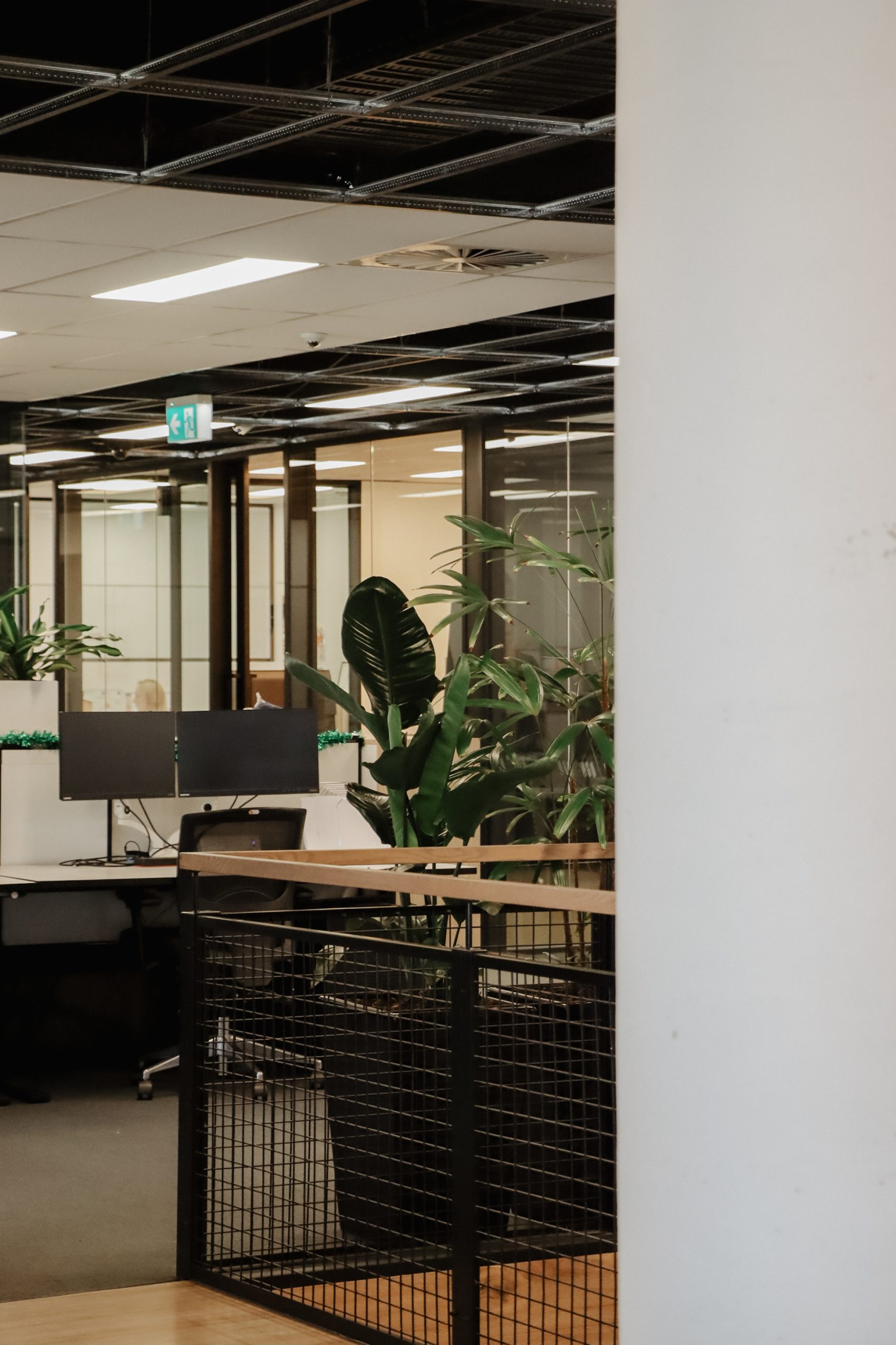
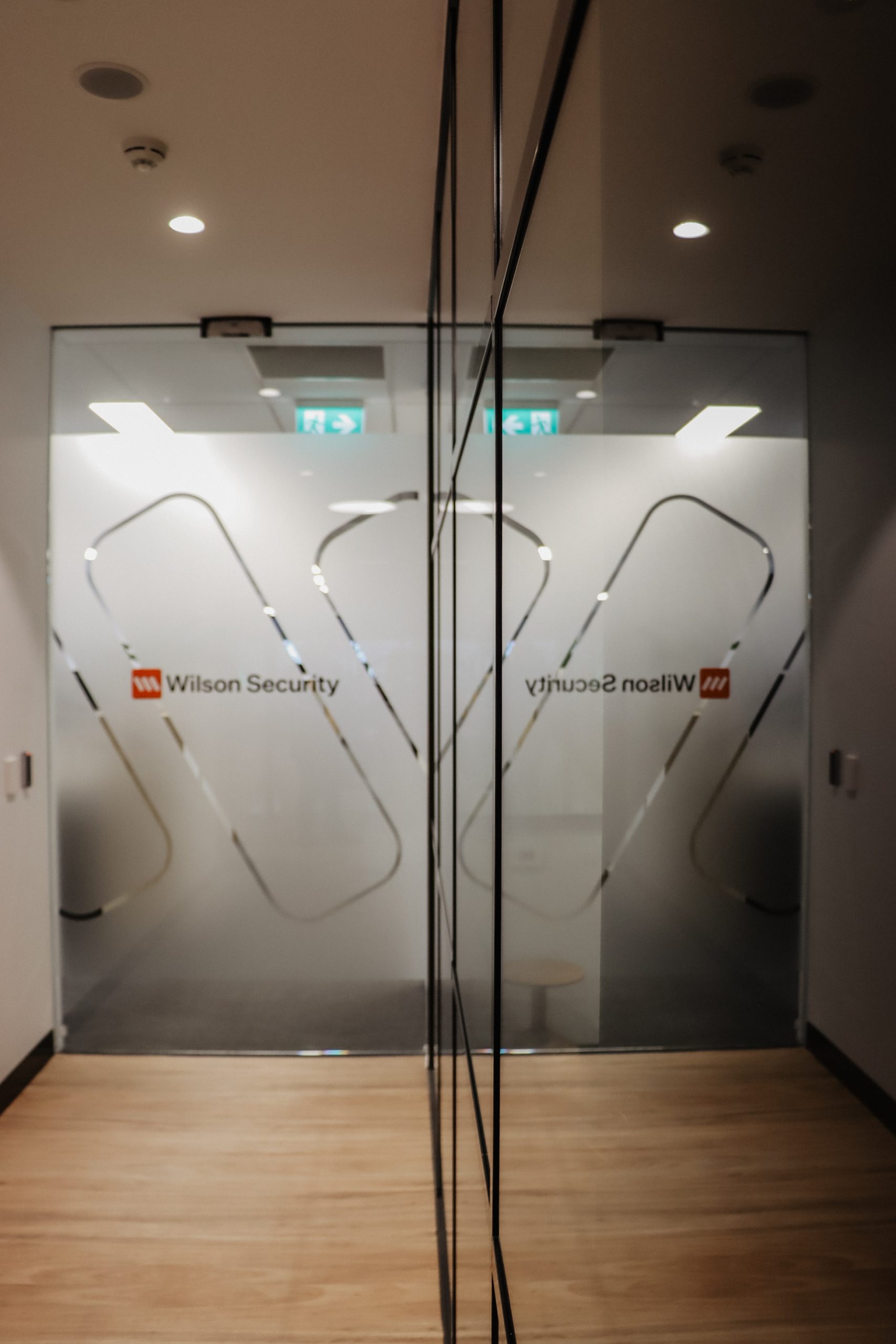
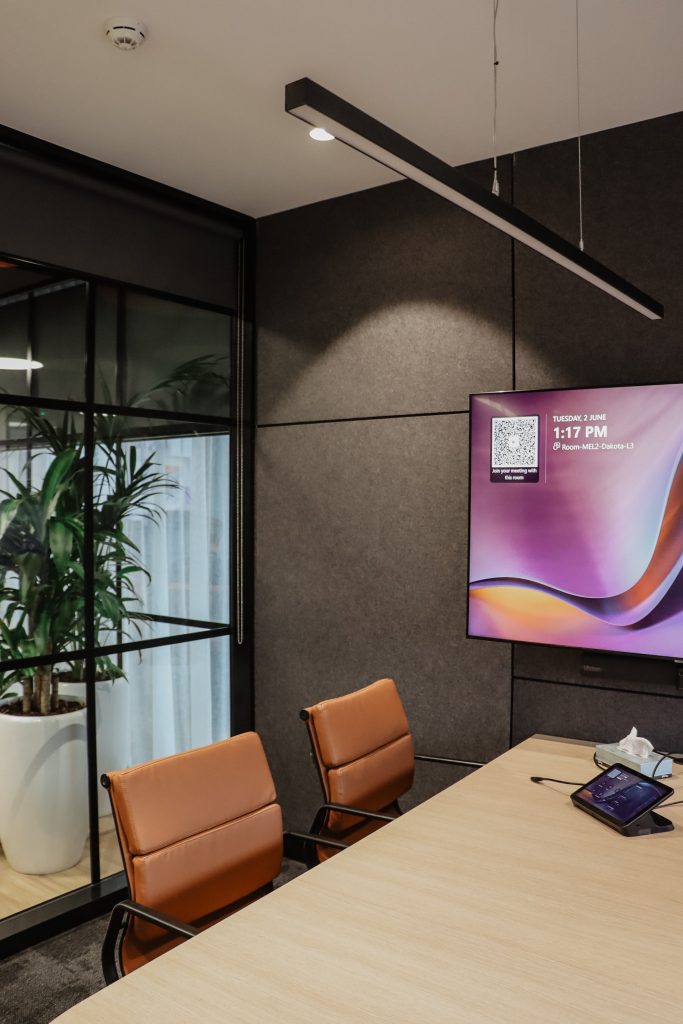
Let the First Impression Match the Reality
Candidates may encounter the workplace during an interview, induction or informal meeting. Their experience begins at the entry, not when they sit down with the hiring manager.
Clear wayfinding, a considered arrival and an appropriate place to wait can help visitors feel expected. The journey should also provide an honest view of the organisation. A highly polished reception means less if the transition into the working environment feels disconnected from it.
The interview setting matters too. Privacy, acoustics, lighting and comfort can influence whether a conversation feels focused and respectful. New employees also need an arrival process that helps them find their team, understand the space and begin using it with confidence.
The aim is not to create a theatrical first impression. It is to make the workplace feel considered, genuine and consistent with the environment people will experience after joining.
Support Different Ways of Working
The right people will not all work in the same way. Roles vary, tasks change throughout the day and individuals have different needs for focus, interaction, privacy and sensory comfort.
A useful workplace provides a choice of settings connected by clear expectations. Workstations can support sustained individual tasks, while meeting rooms, project areas, quiet rooms and informal settings allow employees to choose an environment suited to the activity.
Choice should remain practical. If quiet rooms are constantly occupied, meeting spaces cannot support hybrid calls or collaboration areas interrupt focused teams, the variety shown on the floor plan may not translate into a better experience.
Inclusive planning is equally important. Accessible circulation, varied furniture, suitable acoustics and spaces with different levels of stimulation can help more people participate comfortably. This broadens the workplace experience without requiring every setting to perform every function.
Make Coming Together Worthwhile
Where employees have some flexibility over where they work, the workplace needs to offer something meaningful beyond a desk and internet connection.
That value may come from access to colleagues, mentoring, specialist equipment, learning, social connection or faster decision-making. The floor plan should make these interactions easier without forcing everyone into constant activity.
Shared tables, project spaces, breakout areas and kitchens can create opportunities for informal connection. Meeting and training rooms can support more structured collaboration. Focus settings give people somewhere to continue individual work before or after a team session.
The relationship between these spaces matters more than the quantity of any one type. When movement between individual and shared work feels natural, employees can gain the benefits of being together while still completing the work that requires concentration.
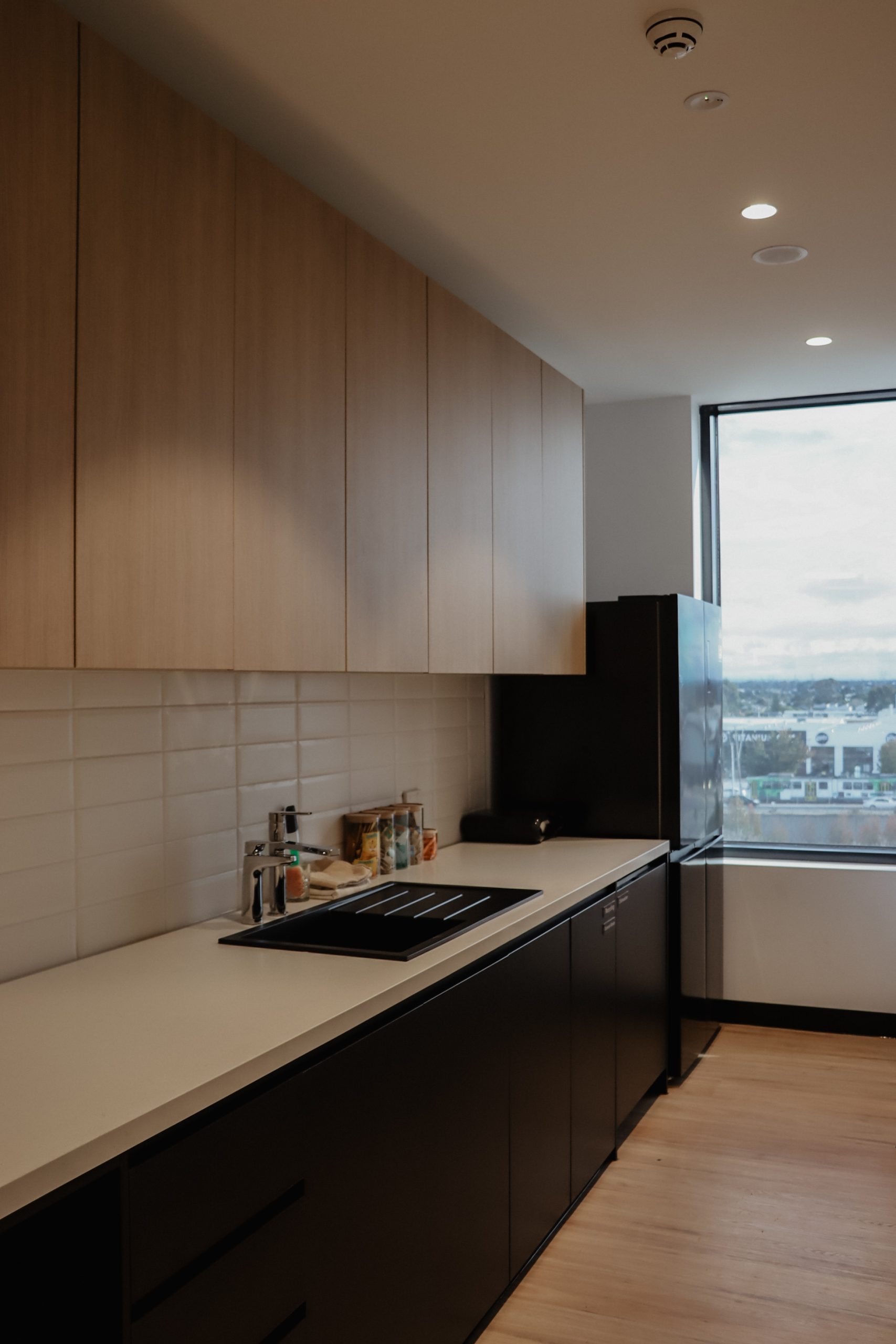
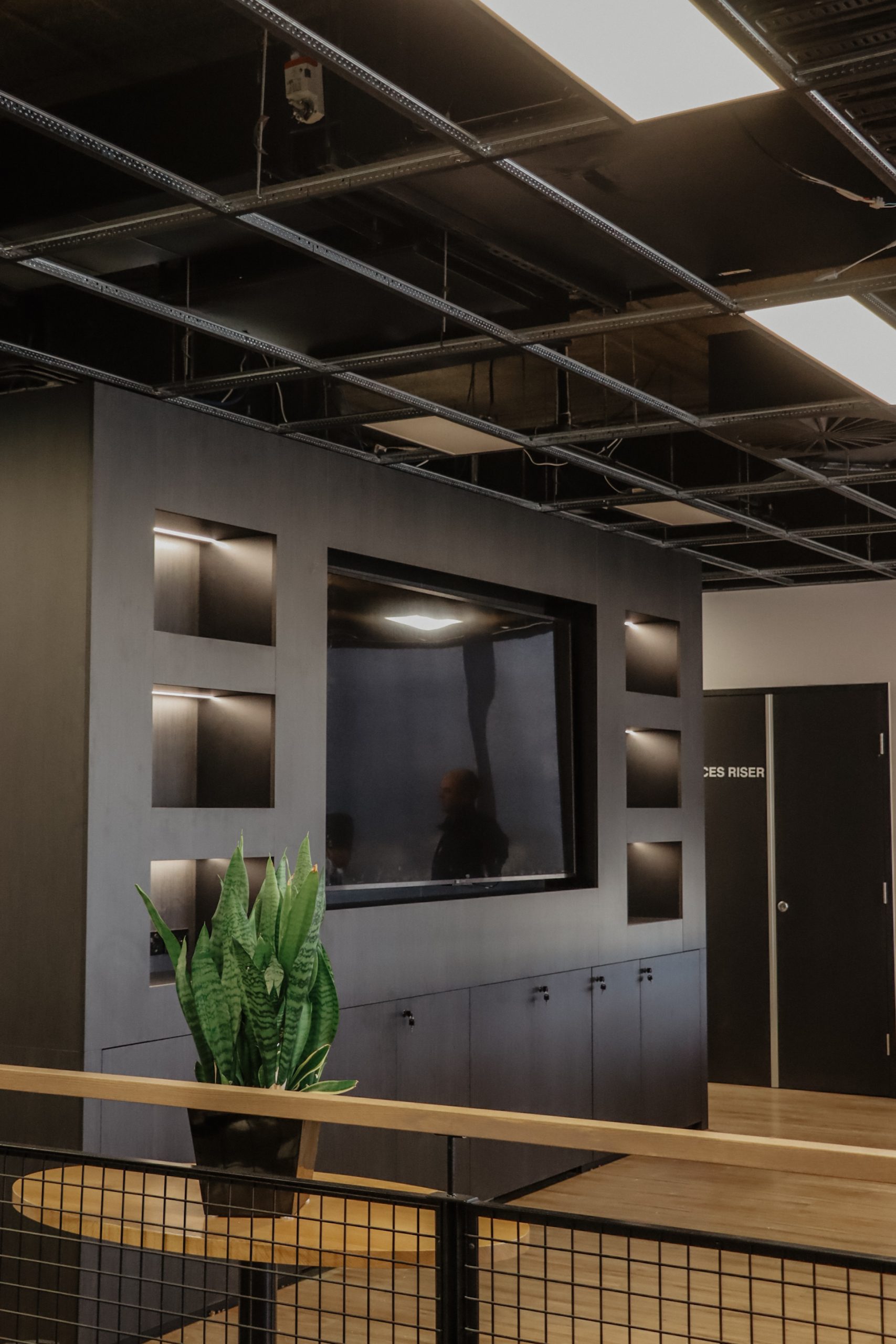
Show Care Through Everyday Details
Employees experience culture through small practical moments. They notice whether there is somewhere to take a confidential call, whether the temperature is comfortable, whether technology connects easily and whether storage supports the equipment they use.
Natural light, suitable artificial lighting, acoustic control, fresh air and ergonomic furniture all contribute to daily comfort. Kitchens, amenities and end-of-trip facilities can support routines before, during and after work. Reliable meeting technology helps remote colleagues participate more equally.
These features do not need to be extravagant. Their value comes from being appropriate, available and maintained. A simple setting that consistently supports its purpose can contribute more than a feature space that is difficult to use.
Care also continues after handover. Cleaning, repairs, furniture replacement and technology support influence whether the workplace retains the quality employees experienced when it was new.
Create Connection Without Losing Identity
A workplace can help people feel part of the organisation by making its work, history and purpose visible. This can happen through project stories, material choices, local references, products, client outcomes or the way teams are positioned, rather than relying only on logos.
The layout can also strengthen connection between departments. Shared destinations and well-placed collaboration areas may create natural contact, while thoughtful adjacencies can help teams that depend on one another communicate more easily.
At the same time, employees need a sense of belonging within their immediate team. Neighbourhoods, team storage, project displays or adaptable shared areas can give groups a recognisable base without creating rigid boundaries.
This balance can help new employees understand where they fit and allow established teams to maintain their identity within the wider business.
Plan for the People You Want to Keep
Attraction focuses attention on the first impression, but retention depends on how the workplace performs after the novelty has passed. The fitout should respond to current employees while allowing the organisation to grow, restructure and adopt new ways of working.
Flexible furniture, adaptable rooms, service capacity and a range of work settings can make reasonable change possible without starting again. Employee feedback and utilisation data can also show which spaces are supporting the team and where adjustments may be valuable.
Workplace design cannot compensate for weak culture or poor leadership. When it is aligned with a strong employee offer, however, it can reduce everyday friction, support connection and give people a clearer sense of what the organisation values.
Workspace 360 brings workplace strategy, interior design, services coordination and construction delivery together. By understanding the people an organisation wants to attract and retain, we can help create a fitout that supports their experience from the first visit through to the everyday working routine.