
Designing A Gym That Doesn't Limit What's Next
Planning a gym fitout? Discover how thoughtful planning today can create greater flexibility for future services, new revenue opportunities and long-term business success.
Designing A Gym That Doesn't Limit What's Next
One of the biggest decisions in a gym fitout isn’t choosing the equipment.
It’s deciding what you might want to do next.
Perhaps it’s introducing reformer Pilates after your membership grows. Maybe it’s creating a recovery suite, adding cold plunge therapy or dedicating more space to functional training. Sometimes it’s simply making room for an opportunity that hasn’t presented itself yet.
The challenge isn’t making those decisions today.
It’s ensuring today’s fitout doesn’t make tomorrow’s opportunities harder to achieve.
A well-planned gym should give operators choices. It should provide the flexibility to introduce new services, respond to member demand and strengthen the business over time without major disruption or unnecessary redevelopment.
The best gym fitouts don’t just support opening day. They leave room for what’s possible next.
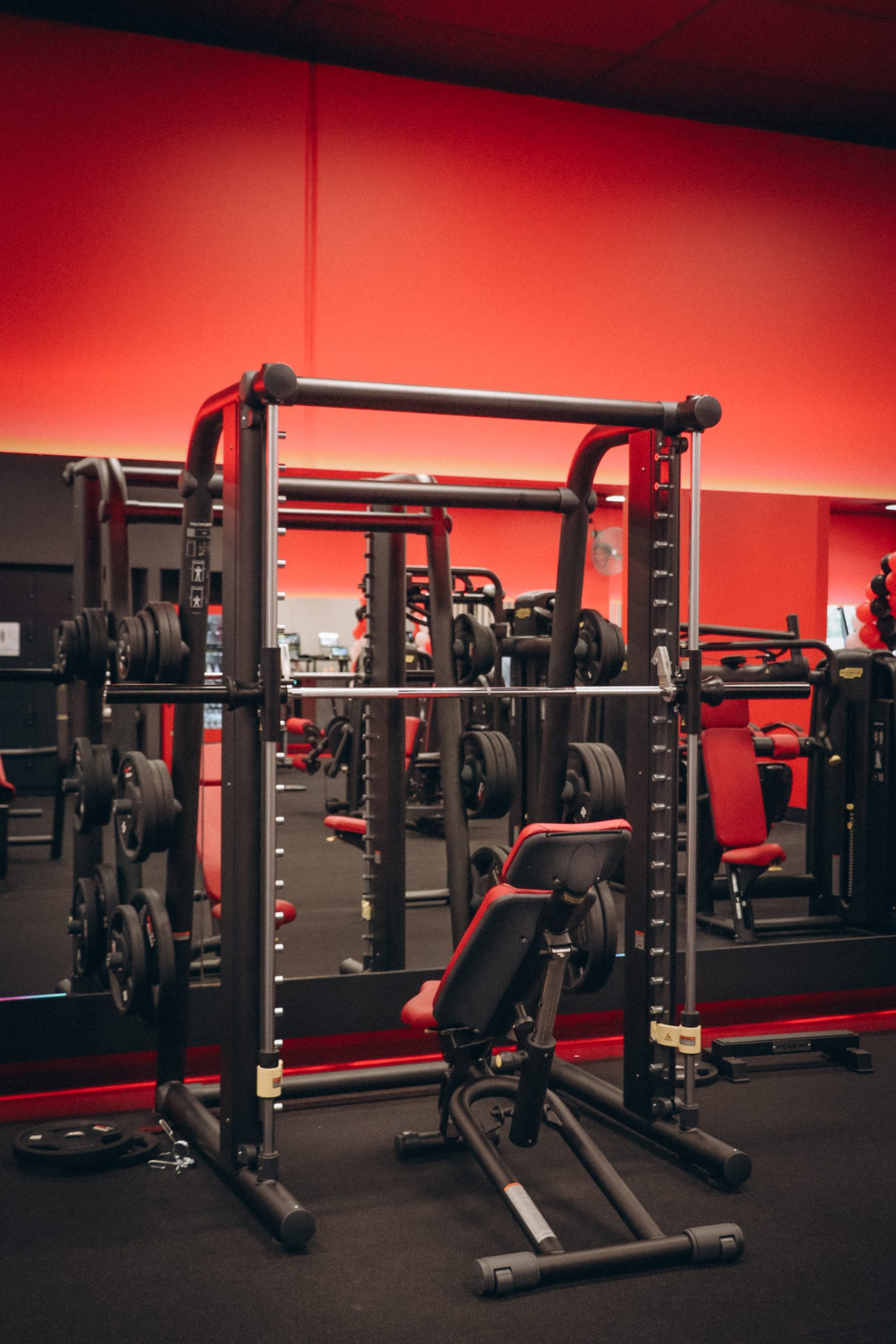
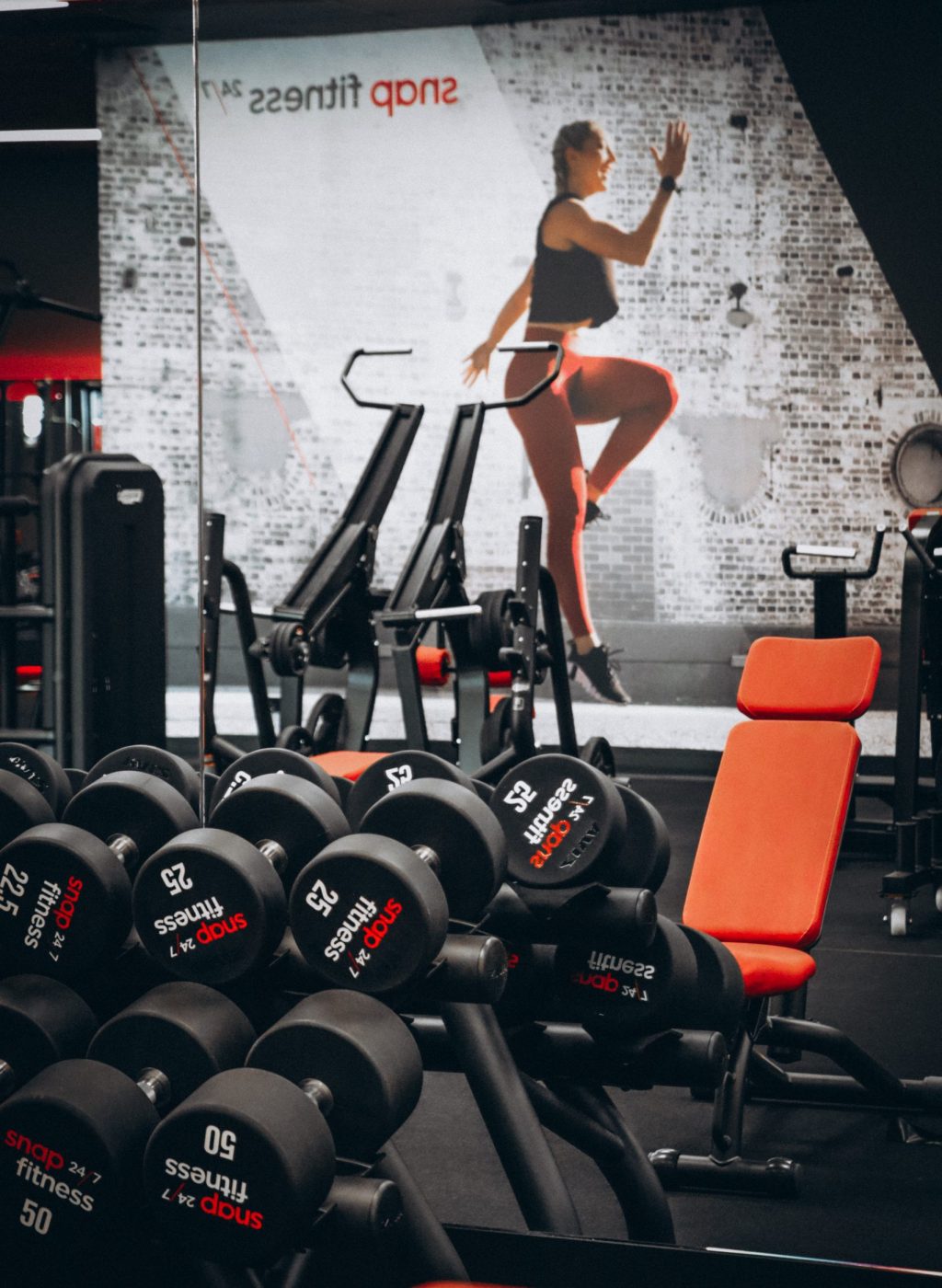
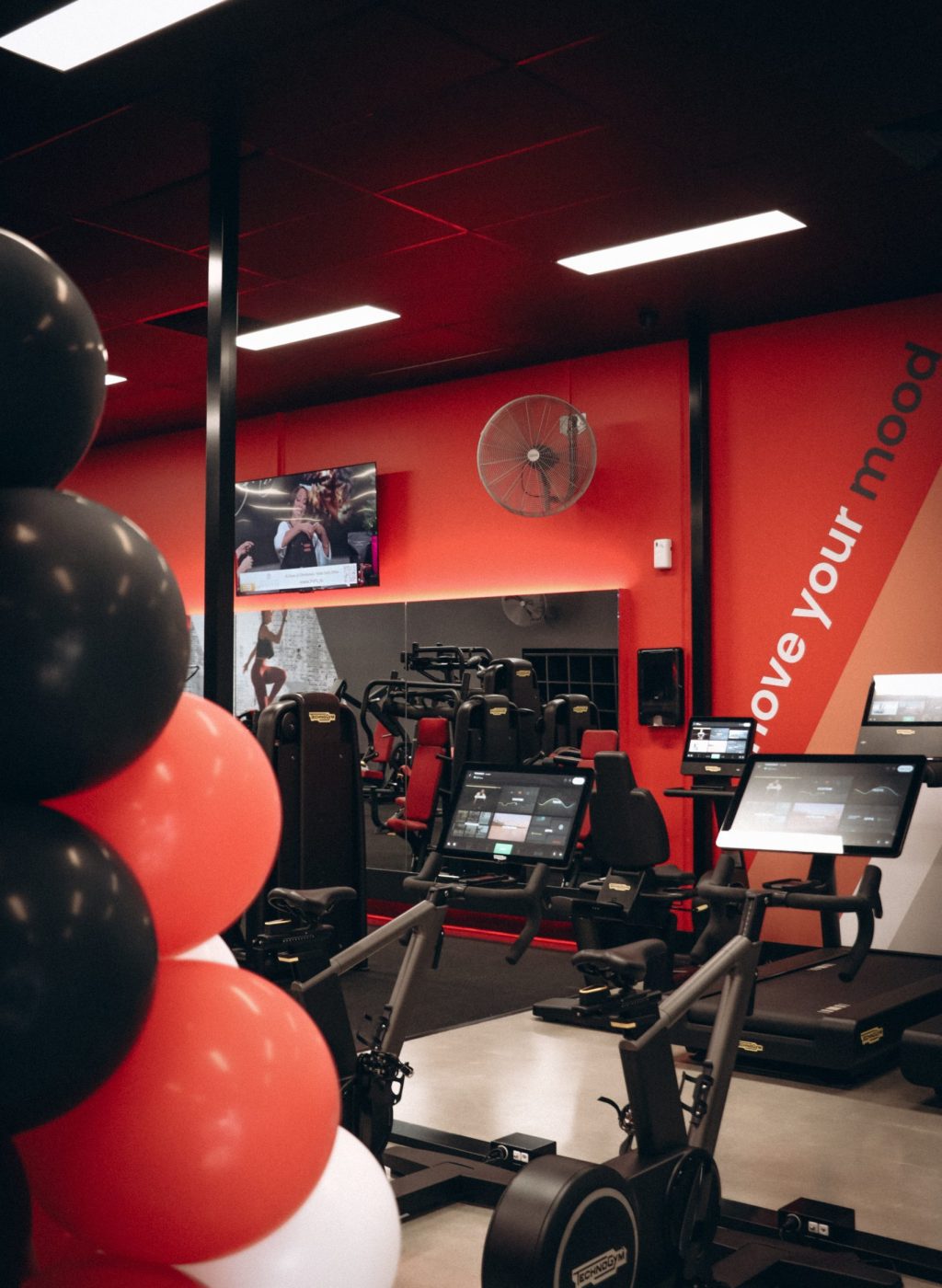
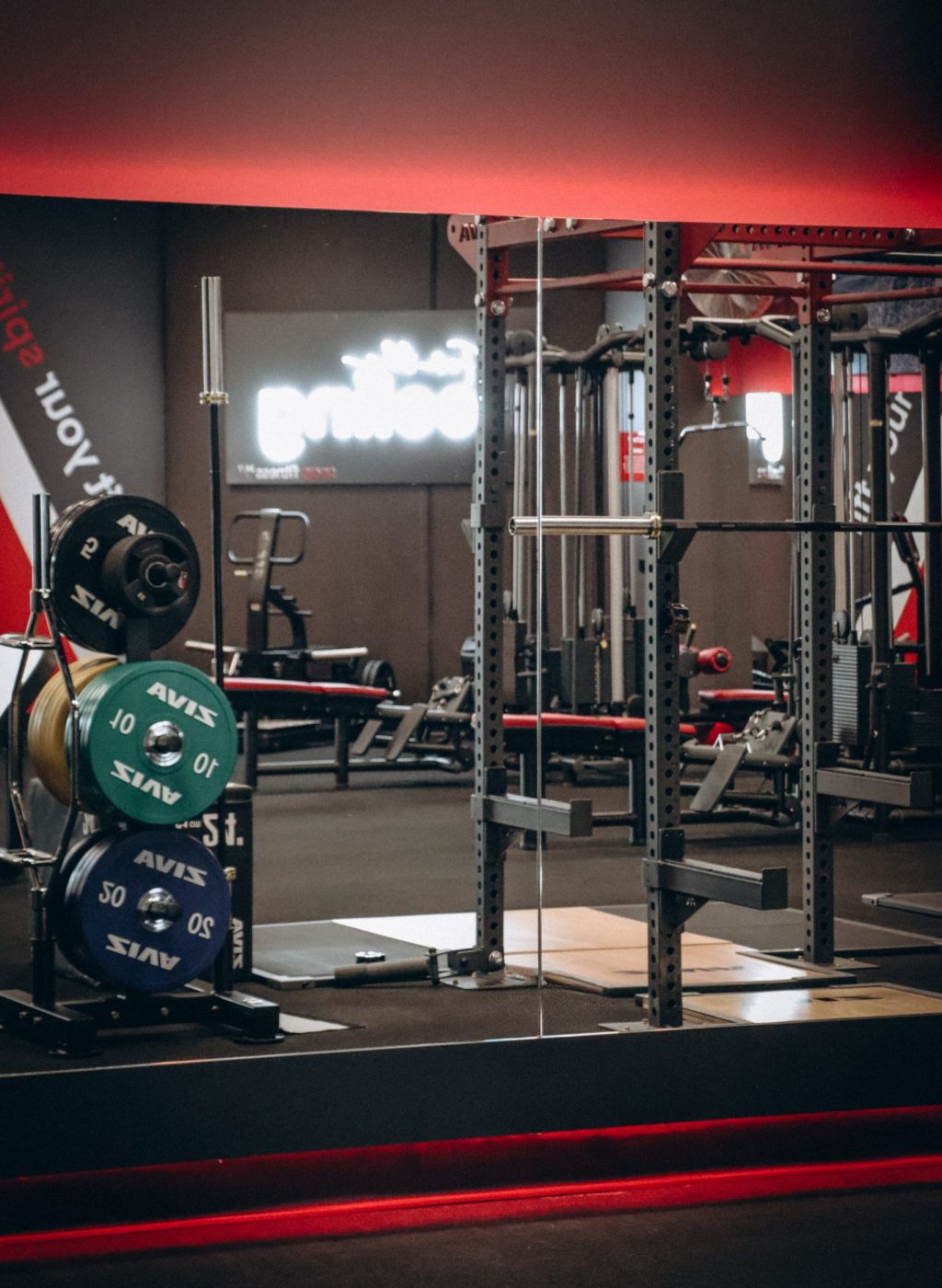
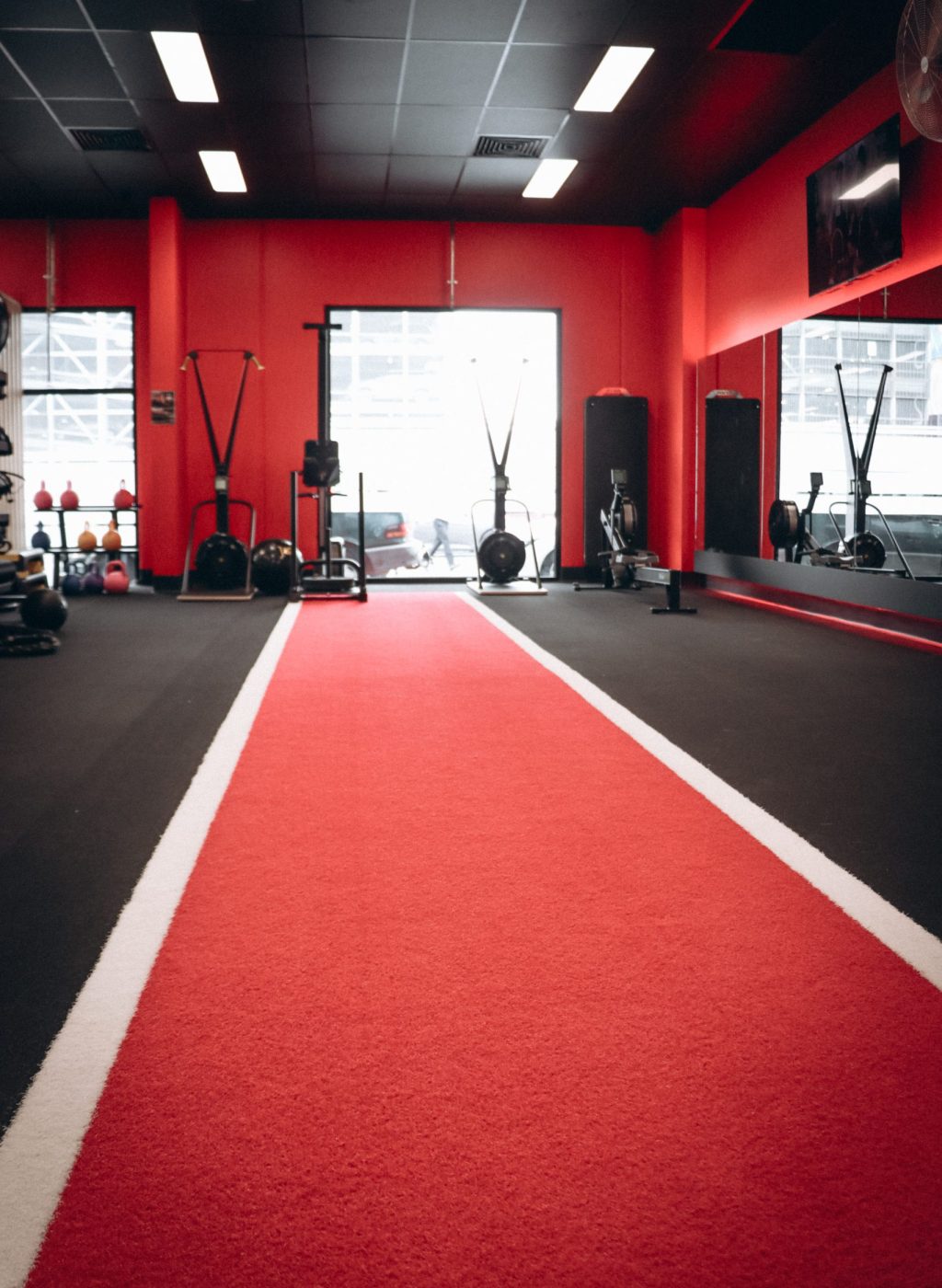
Some Of The Best Business Decisions Haven't Been Made Yet
Every successful gym reaches moments where new opportunities emerge.
A growing member base may create demand for recovery services. A partnership with a health professional could introduce treatment rooms. A popular training style may deserve its own dedicated space.
These opportunities rarely exist in the original business plan.
They develop as operators better understand their members and identify new ways to deliver value.
That’s why a fitout shouldn’t assume every future decision has already been made.
Instead, it should create enough flexibility that new ideas can be introduced without needing to redesign the entire facility.
Planning with options in mind often provides far greater long-term value than planning around a single fixed layout.
Flexibility Isn't About Leaving Space Empty
Designing for future opportunities doesn’t mean leaving large areas unused.
In fact, every square metre should have a clear purpose from the day the gym opens.
The difference is how those spaces are planned.
Multi-purpose rooms, adaptable training areas and layouts that allow equipment zones to evolve over time give operators greater freedom without compromising the member experience.
A room that supports consultations today may accommodate recovery services tomorrow.
An open training zone may later become home to reformer Pilates.
The goal isn’t to predict the future.
It’s to create a space that can respond when new opportunities arise.
The Biggest Decisions Often Sit Behind The Walls
Many future opportunities are influenced by infrastructure that members will never see.
Electrical capacity, plumbing, ventilation, structural allowances and service locations all contribute to what a tenancy can realistically support in years to come.
Adding recovery equipment, hydrotherapy, specialised wellness services or new training experiences may require infrastructure that is far easier to plan during the initial fitout than after construction has been completed.
Considering these requirements early doesn’t necessarily mean installing everything immediately.
It simply means creating a stronger foundation for future possibilities.
It's Easier To Prepare For Opportunity Than Rebuild For It
Every construction project involves decisions about budget and priorities.
While it’s impossible to plan for every future scenario, there are practical decisions that can create valuable flexibility without adding unnecessary complexity.
Coordinating building services early, understanding the capability of the tenancy and considering how spaces might be repurposed later all help reduce disruption if new opportunities arise.
These decisions are often easier, more cost-effective and less disruptive when considered before construction begins rather than after the facility is already operating.
Planning ahead isn’t about expecting change.
It’s about making future decisions easier when the time is right.
A Gym Should Support More Than Today's Business Model
The most successful gyms are rarely defined by the equipment they open with.
They’re recognised for how well they continue responding to their members.
That may involve introducing recovery experiences, expanding small group training, partnering with allied health professionals or creating entirely new membership offerings.
A fitout that supports these possibilities provides operators with greater confidence to explore new ideas as their business develops.
Rather than limiting future choices, the space becomes an asset that supports them.
Better Planning Creates More Freedom
The flexibility of a gym isn’t determined during construction.
It is shaped much earlier through planning, coordination and the decisions made before work begins on site.
Aligning operational goals, building services, layout, budget and programme from the outset creates greater certainty during delivery while providing more options for the future.
This integrated approach helps avoid unnecessary compromises and creates a clearer path from initial planning through to a gym that performs well from opening day and beyond.
Building A Gym That's Ready For What's Next
No operator knows exactly what their business will look like in five years.
That’s what makes thoughtful planning so valuable.
Rather than trying to predict every future trend, a well-designed gym creates the flexibility to respond with confidence when new opportunities present themselves.
At Workspace 360, we work with gym operators to create facilities that balance operational performance today with practical flexibility for tomorrow. Through one accountable process that brings together strategy, design and construction, we help deliver gym environments that support both immediate success and future opportunity.
If you’re planning a new gym or your next fitout, talk to Workspace 360 early. The right decisions made before construction can create more possibilities long after the doors open.