
What Makes a Workplace Feel Like Your Brand Without Relying on Logos?
A logo can identify a business, but it cannot create the entire workplace experience.
People form an impression through the way they arrive, move, meet, work and spend time in a space. They notice whether the environment feels welcoming or formal, energetic or calm, highly structured or naturally collaborative.
These qualities can communicate far more about an organisation than repeatedly applying a logo to walls, glazing and signage.
A workplace feels genuinely connected to its brand when the design reflects how the business operates, how it wants people to interact and what it values. The logo then becomes one part of a wider, more consistent experience.
Translate Brand Values Into Spatial Decisions
Brand values can be difficult to design around when they remain as broad words such as innovative, trusted, approachable or collaborative.
The first step is to translate those words into observable behaviours.
If a business describes itself as approachable, the workplace might offer a clear arrival, warm material choices and meeting settings that feel comfortable rather than overly formal. A company focused on precision may express that through organised planning, considered detailing and consistent finishes. A collaborative organisation may provide visible, accessible places for teams to come together.
This process gives the design team something practical to respond to. Instead of asking where the brand colours should appear, the conversation becomes about what employees and visitors should experience.
The strongest workplace branding begins with behaviour and purpose before moving into colour, graphics and decoration.

Shape the Arrival Around the Right Impression
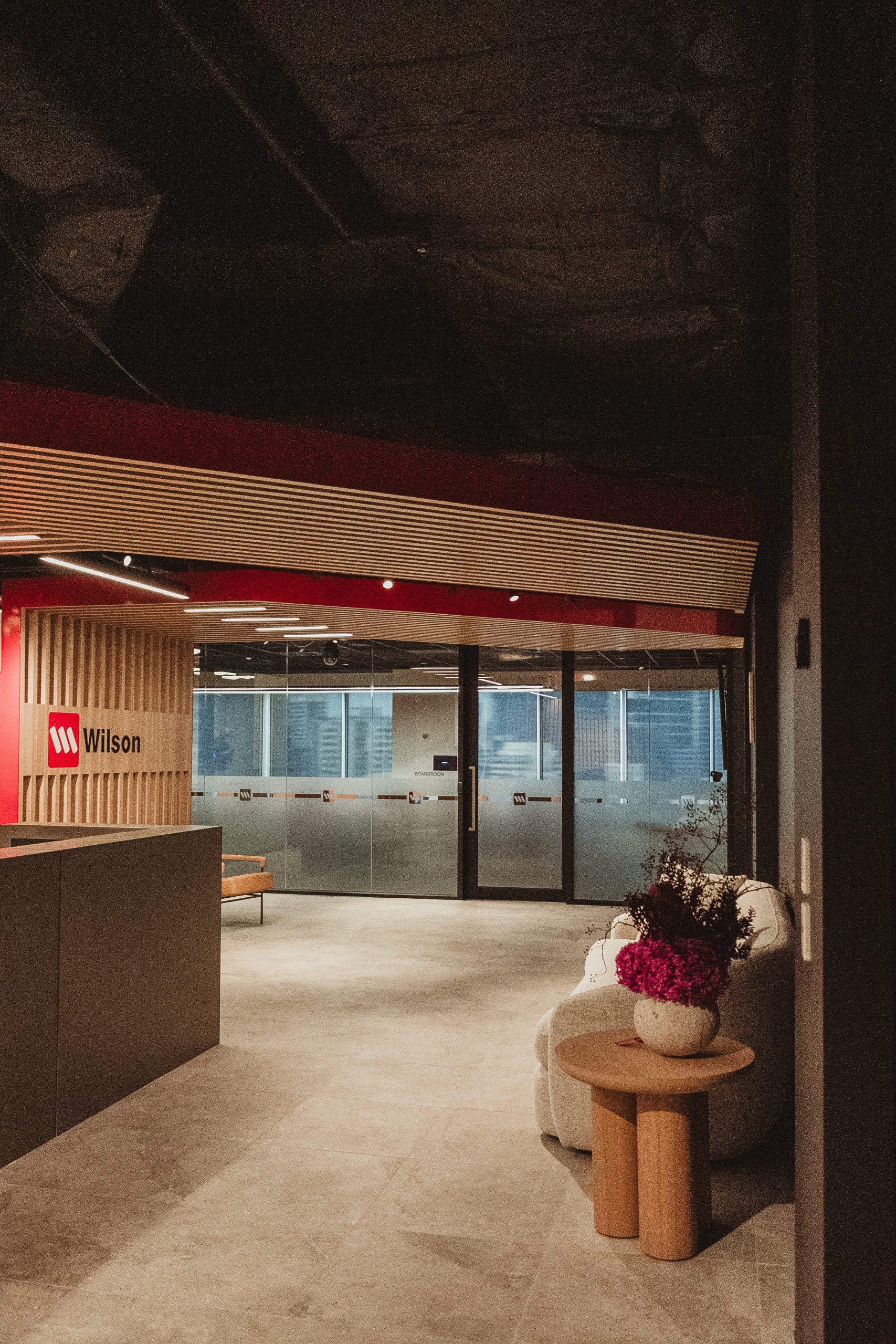
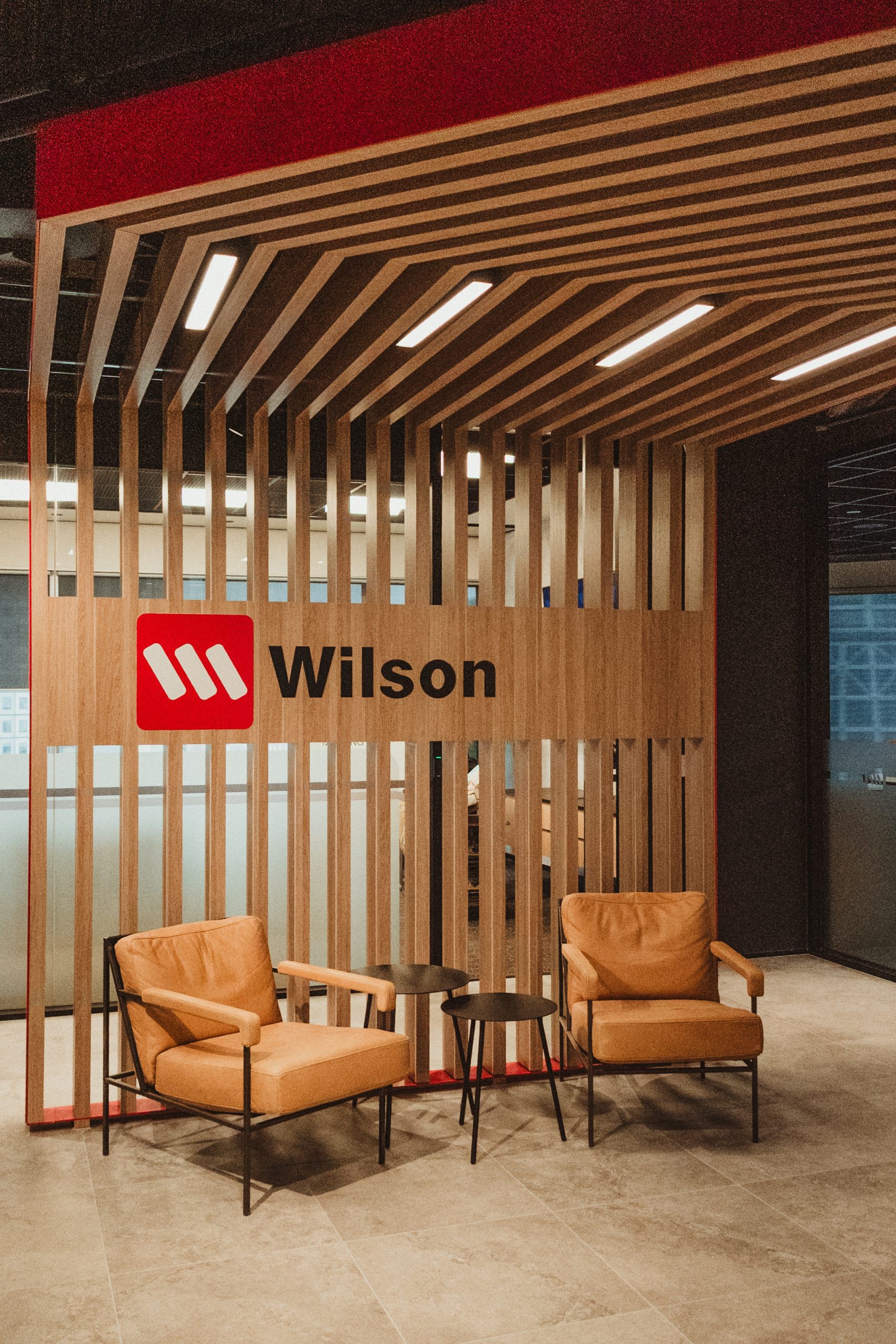
The arrival experience sets expectations before a meeting begins.
Reception does not always need to be large or highly decorative. It needs to communicate the right message for the business. A professional services firm may value calmness, privacy and confidence. A health or wellness brand may want the arrival to feel reassuring and easy to understand. An industrial business may need to balance a polished client welcome with clear separation from operational areas.
Layout, lighting, seating, acoustics and visibility all contribute. Visitors should understand where to go, where to wait and how they will be greeted without the space feeling confusing or over-managed.
Small details also matter. The view from the entry, the quality of the reception desk, the materials people touch and the transition into meeting areas can all reinforce the brand.
A logo confirms whose space it is. The arrival experience communicates what kind of business it is.
Use Materials and Colour With Purpose
Brand expression does not require every surface to match the corporate colour palette.
Materials can communicate qualities such as warmth, durability, innovation, craft or restraint. Timber may bring a natural and welcoming quality. Metal and exposed structure can reflect technical capability or an industrial setting. Soft textures can make client and staff spaces feel more comfortable, while highly durable finishes can express practicality and longevity.
Brand colours can still play an important role when used with intention. A familiar colour may appear through upholstery, joinery details, feature lighting, signage or selected surfaces rather than dominating the whole environment.
The surrounding palette should support the brand colour and the atmosphere the business wants to create. This allows the workplace to feel recognisable without becoming a literal reproduction of the marketing material.
Consistency comes from the relationship between materials, colour and detail, not from repeating one visual cue everywhere.
Design for the Way the Business Works
The floorplan itself can express the organisation’s priorities.
A business that values transparency might create clear visual connections between teams while still providing privacy where it is needed. A company built around project work may place shared tables, review spaces and resources close to the people using them. A service-focused organisation may prioritise comfortable client rooms and straightforward movement between reception and meeting areas.
The workplace can also communicate how leadership relates to the wider team. Office locations, meeting access and shared amenities can either reinforce hierarchy or support a more connected culture.
These decisions should reflect the real business rather than an idealised image of it. A highly collaborative floorplan will not feel authentic if the organisation relies heavily on confidential work and individual concentration.
When layout supports the way the company genuinely operates, the brand becomes visible through everyday behaviour.
Carry the Brand Into Everyday Spaces
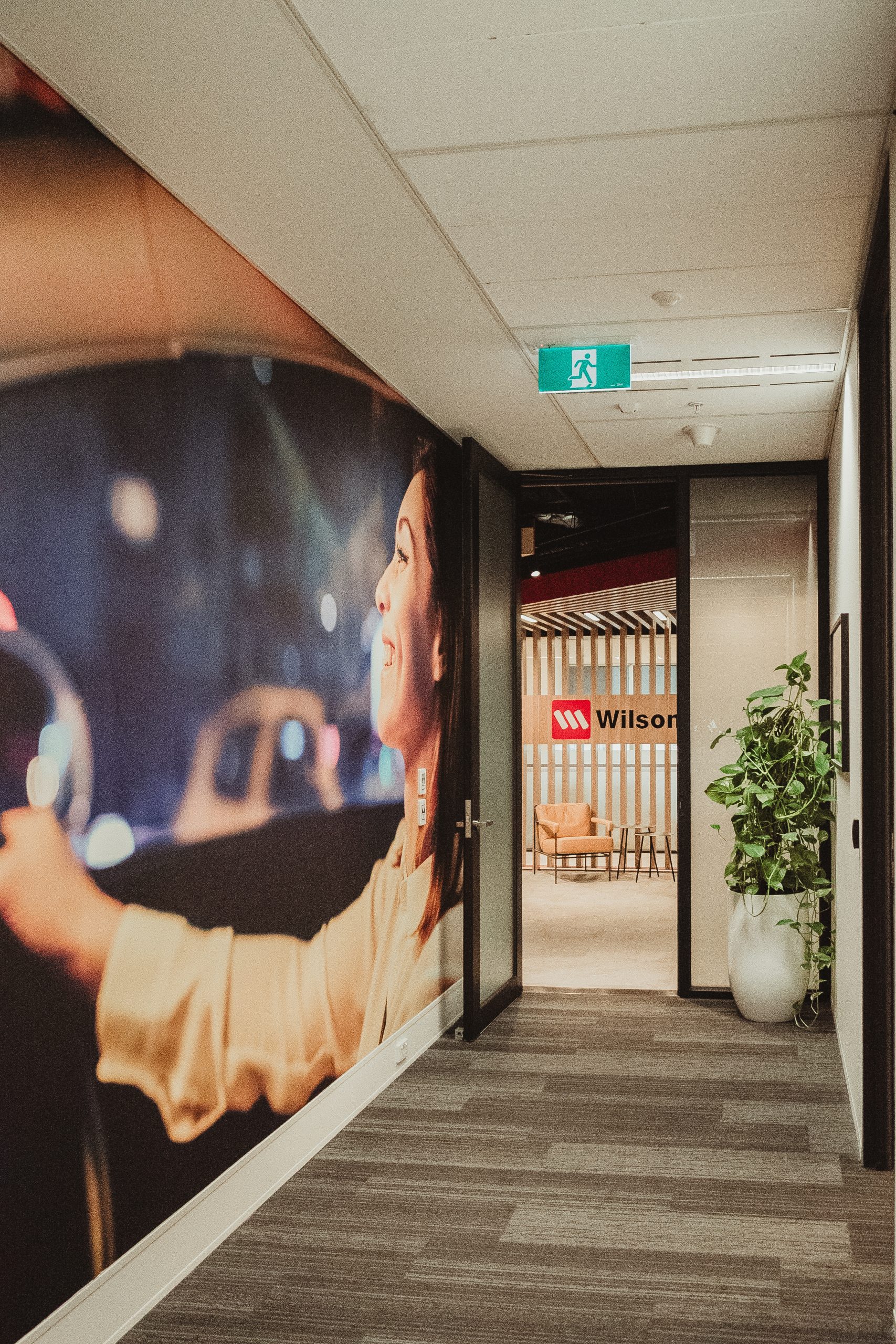
Brand thinking should not stop at reception and client meeting rooms.
Kitchens, amenities, lockers, staff entries, storage and operational areas shape how employees experience the business every day. When these spaces receive the same level of care as the public areas, the workplace feels more consistent and credible.
That does not mean every area needs premium finishes. The response should suit its function. Durable materials, clear organisation, good lighting and comfortable amenities can communicate quality without being elaborate.
In industrial facilities, the connection between office and operational environments is especially important. Signage, colour, materials and standards of presentation may be expressed differently in each area, but they should still feel part of the same organisation.
Employees see the brand through what the business provides for them, not only through what it presents to visitors.
Build the Experience Through Light, Sound and Detail
Some of the strongest brand cues are experienced rather than consciously noticed.
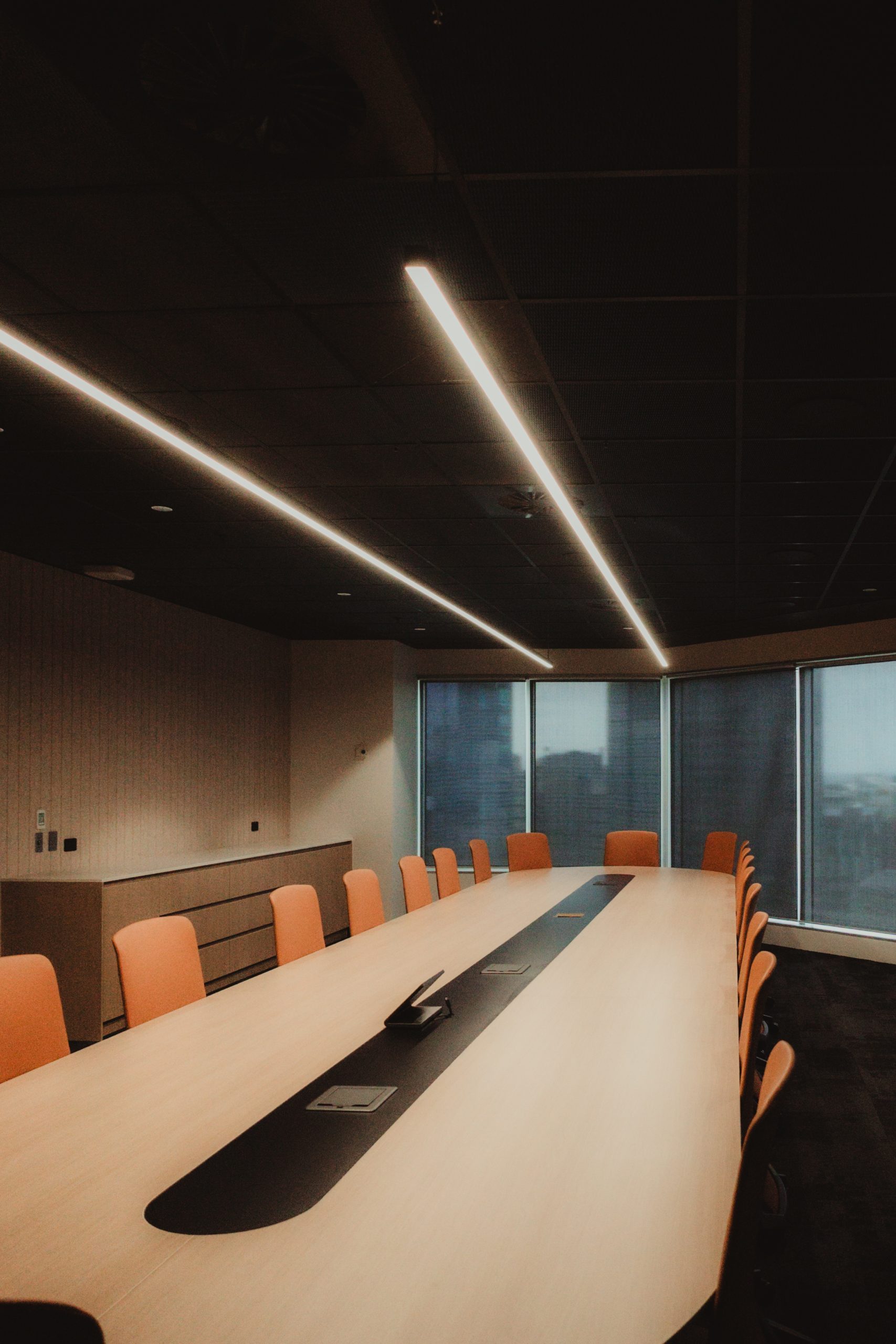
Lighting can make a workplace feel energetic, calm, warm or highly focused. Acoustic conditions influence whether spaces feel private, social or composed. Ceiling treatments, joinery lines, door hardware and furniture selections all contribute to the overall level of refinement.
The way technology is integrated also sends a message. Meeting rooms that are simple to use can support a brand centred on efficiency. Well-planned displays and digital content may suit a business that regularly shares information, products or achievements.
These elements should work together rather than compete for attention. A workplace does not need a feature in every direction to feel distinctive.
Careful repetition of a few materials, forms and details can create a stronger identity than a collection of unrelated design statements.
Create Consistency Without Making Every Location Identical
For businesses with multiple offices, gyms, clinics or facilities, brand consistency does not require every site to look exactly the same.
Each property has different proportions, existing conditions, natural light and operational requirements. The goal is to identify the elements that should remain recognisable while allowing the design to respond to its location.
Those elements may include the arrival experience, material palette, signage approach, lighting character, furniture language or the way teams and customers move through the space.
A clear set of principles creates continuity without forcing a standard layout into every building. It also makes future fitouts easier to brief, document and deliver.
At Workspace 360, our integrated design and construction approach connects brand thinking with space planning, materials, services and delivery. This helps create workplaces that feel aligned with the business in both the visible details and the way the space works every day.
Planning a new fitout or refurbishment? Speak with Workspace 360 about translating your brand into a workplace experience that extends well beyond the logo.