
What Nobody Talks About Between Design And Construction
Not all fitout projects are delivered the same way. Discover the key differences between traditional and integrated project delivery, and why the approach you choose can shape the entire client experience.
What Nobody Talks About Between Design And Construction
When organisations begin planning a commercial fitout, most attention naturally goes towards the design itself.
How will the space look? Will it support the business? Does it reflect the brand and the way people work?
The next milestone most people think about is construction.
What often goes unnoticed is everything that connects those two stages.
More importantly, it’s the way that connection is managed.
While every fitout ultimately progresses from design to construction, the journey between those milestones can be very different depending on the project delivery model. Some projects follow a traditional pathway where architects, consultants and builders are appointed separately. Others take an integrated approach, bringing strategy, design and construction together under a single delivery partner from the outset.
Both models aim to deliver a successful project.
The difference lies in how decisions are made, how teams collaborate and, ultimately, what the experience feels like for the client.

Why Traditional Projects Often Feel More Complex
The traditional delivery model has been widely used across the construction industry for many years.
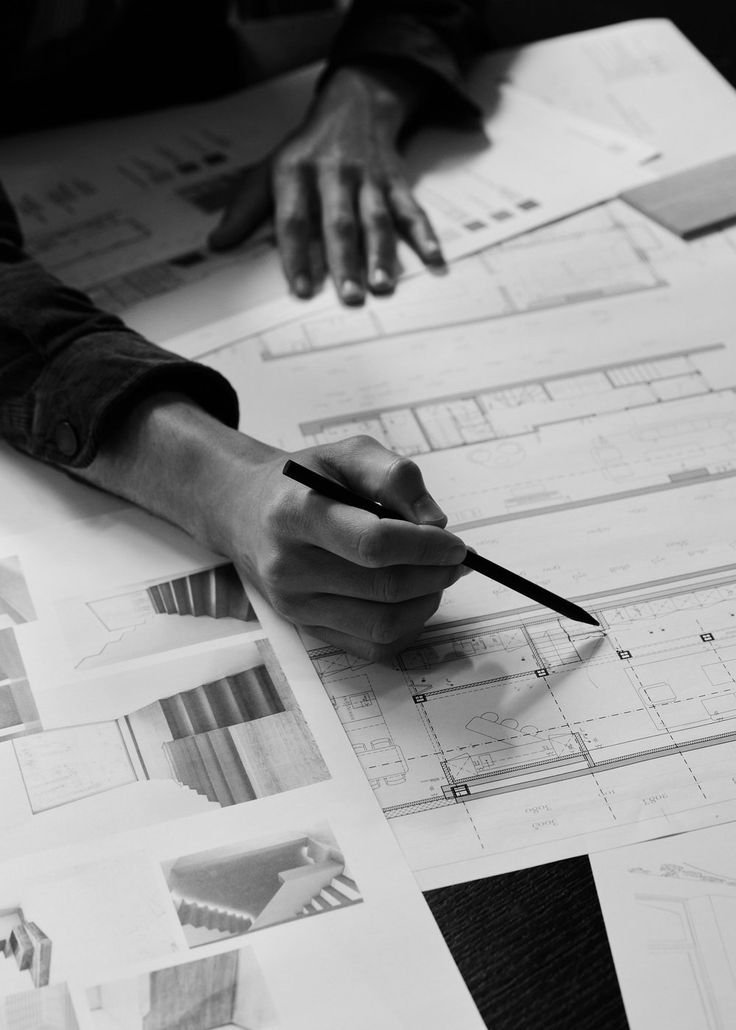
Typically, an architect develops the design before specialist consultants prepare the technical documentation required for construction. Once that documentation is complete, builders are invited to tender and a construction team is appointed.
Each consultant contributes valuable expertise at different stages of the project, and this approach has successfully delivered countless commercial spaces.
However, because each discipline is engaged separately, responsibility naturally transitions from one organisation to the next as the project progresses.
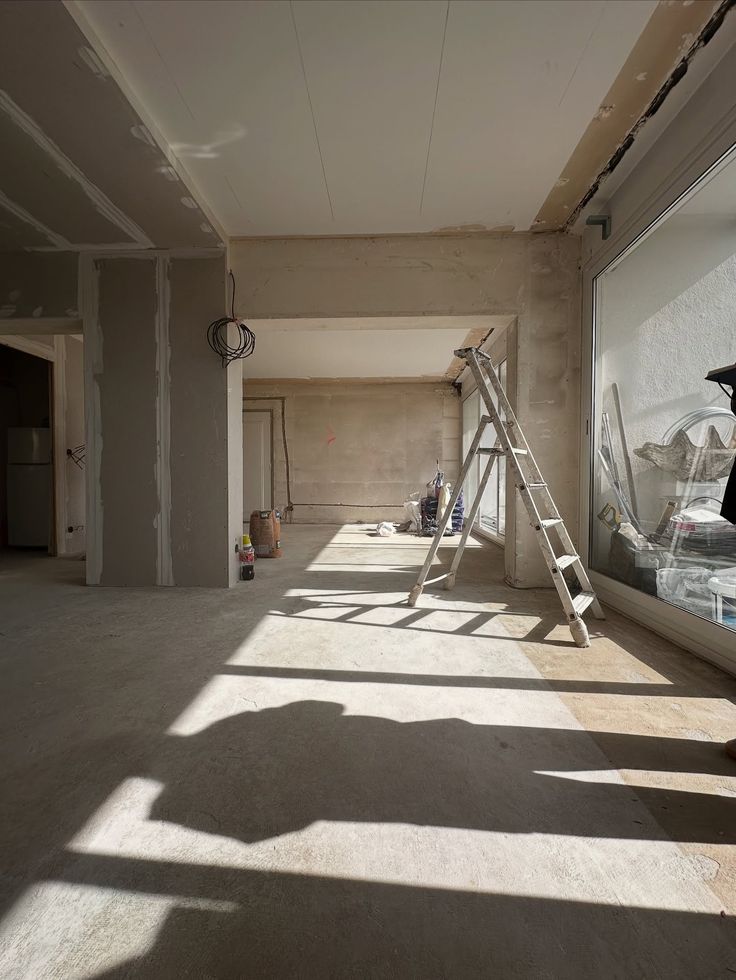
By the time construction begins, the builder is often reviewing documentation they weren’t involved in creating. Practical construction considerations, procurement strategies and delivery methodologies are then coordinated as the project moves from design into construction.
There’s nothing inherently wrong with this process. It’s simply a different way of delivering a project, one that relies on multiple organisations remaining closely aligned throughout the journey.
Every Handover Creates Another Conversation
One of the biggest differences between traditional and integrated delivery isn’t the number of specialists involved.
It’s how those specialists work together.
Every project requires architects, designers, engineers, consultants, project managers and construction professionals.
In a traditional model, information naturally passes between those teams as the project evolves. Each handover requires design intent, technical requirements and commercial objectives to remain aligned as responsibility moves from one organisation to the next.
When communication is strong, projects can progress successfully.
However, every additional handover also creates another point where questions are asked, information is clarified and decisions are coordinated before construction can move forward.
For clients, this often means engaging with multiple organisations throughout the life of the project, each responsible for a different piece of the overall outcome.
The Client Shouldn't Have To Join The Dots
One of the most significant differences between project delivery models is often the client experience itself.
Under a traditional approach, the client may find themselves coordinating conversations across architects, consultants and builders as the project progresses. Each party brings specialist knowledge, but communication naturally moves between several organisations throughout the project lifecycle.
An integrated approach removes much of that complexity.
Rather than managing multiple project relationships, clients work with a single accountable delivery partner that coordinates strategy, design and construction as one connected process.
The project still benefits from specialist expertise across architecture, interior design, engineering, project management and construction.
The difference is that those conversations happen within one integrated team before they reach the client.
Instead of joining the dots between multiple organisations, clients can remain focused on making informed business decisions while their delivery partner manages the coordination behind the scenes.
Better Decisions Happen Before Construction Begins
Perhaps the greatest advantage of an integrated approach is that construction thinking doesn’t begin when construction starts.
It begins during design.
Buildability, programme, procurement, budget alignment and operational requirements are considered alongside design decisions while there is still flexibility to influence the outcome.
Rather than completing the design before construction expertise enters the conversation, project teams work collaboratively to ensure ideas are practical, commercially aligned and ready to be delivered.
The objective isn’t to redesign completed work.
It’s to strengthen decisions before they become construction decisions.
This early collaboration often provides greater certainty as projects move towards site because the entire team has been contributing to the same outcome from the beginning.
One Team Means One Source Of Accountability
Commercial fitouts are complex by nature.
There will always be multiple disciplines involved.
The question isn’t how many specialists are contributing to the project.
It’s who is responsible for bringing those specialists together.
An integrated delivery model creates one accountable team that remains responsible throughout the entire journey, from early strategy and design through to construction and handover.
For clients, this provides greater clarity around communication, decision-making and project leadership because responsibility remains connected instead of transferring between organisations.
It also means challenges can often be discussed and resolved collaboratively before they affect the construction programme.
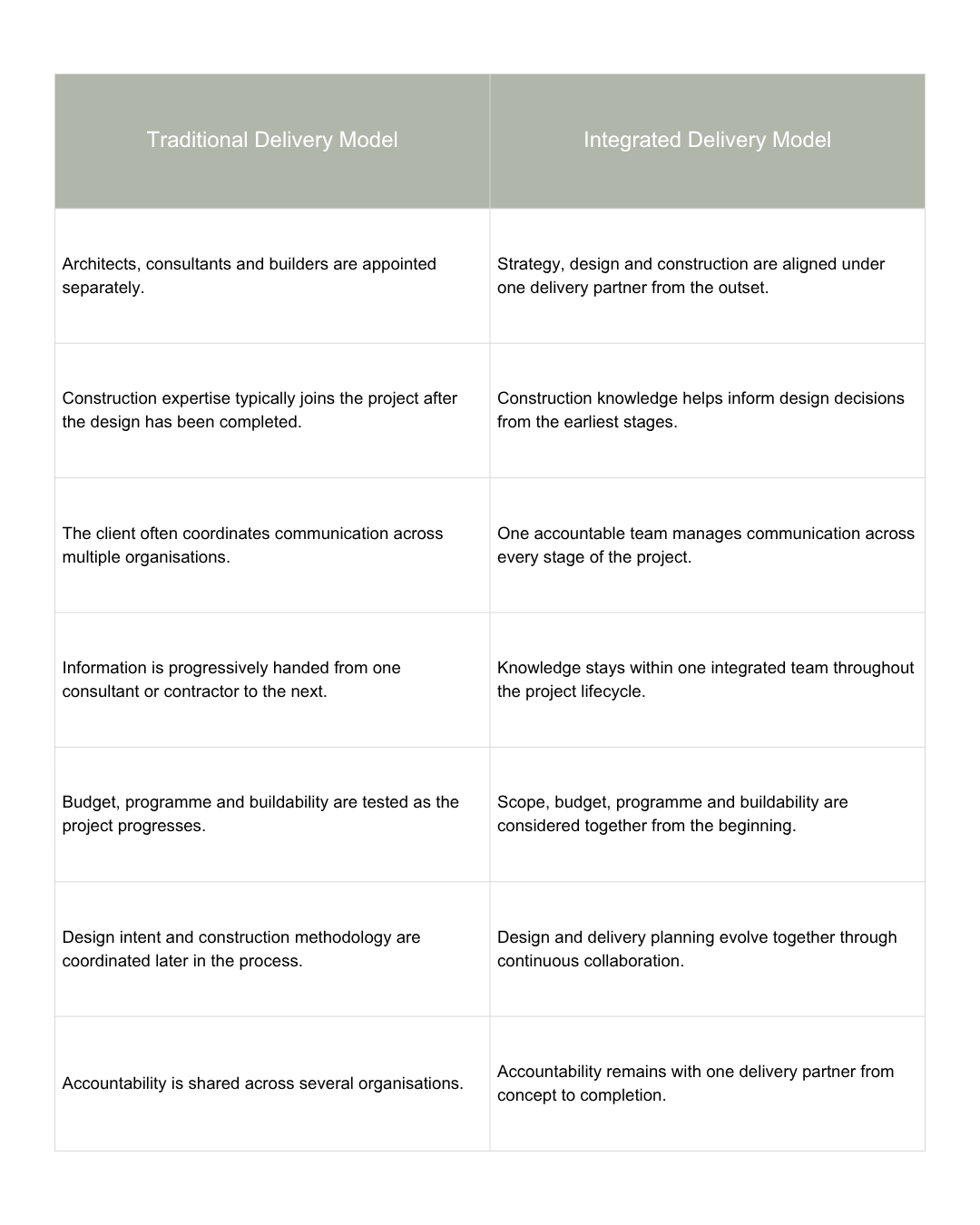
Traditional vs Integrated Delivery
The differences between these approaches become much clearer when viewed side by side.
A Better Connected Project
The success of a fitout isn’t determined solely by great design or quality construction.
It’s also shaped by how those two stages are connected.
An integrated approach doesn’t reduce the number of people involved in a project. Commercial fitouts will always require architects, designers, consultants, project managers and construction specialists.
What changes is how those people collaborate, how early they contribute and who remains accountable for bringing every part of the project together.
That’s the part of the process that often goes unnoticed, yet it has a significant influence on the client experience and the outcome of the project.
At Workspace 360, we’ve built our integrated strategy, design and delivery model around this principle. By bringing every stage of the project together under one accountable team, we help clients move from concept to completion with greater clarity, stronger collaboration and confidence throughout the journey.
If you’re planning a commercial workplace, gym or wellness facility, talk to Workspace 360 early. The way your project is delivered can be just as important as the space you’re planning to create.