
When Should Make-Good Obligations Influence Your Fitout Design?
Article Summary
- Review make-good requirements before signing the lease and before the fitout design becomes fixed.
- Translate the lease wording into practical items such as partitions, flooring, ceilings, signage, services and penetrations.
- Record the condition of the premises at commencement so the agreed handback position has a clear reference point.
- Consider adaptable or removable solutions where they suit the brief, without compromising performance or the finished result.
- Allow for make-good cost and time in the project lifecycle, then keep approvals, drawings and written agreements organised.
Make-good is usually carried out at the end of a lease, but it can influence the fitout from the very beginning.
Depending on the lease, a tenant may need to remove its fitout, repair damage, reinstate services, repaint or return the premises to another agreed condition. The exact obligation varies and should be reviewed by appropriate legal and property advisers.
Once understood, the project team can consider it alongside the brief, budget and lease term. This does not mean designing a temporary workplace. It means making informed choices about what is installed and how.
Review It Before the Lease and Design Are Fixed
The most useful time to understand make-good is during lease review, before the business is committed to a particular handback position.
The clause may refer to the commencement condition, original base building, an open-plan state or another standard. These can create very different scopes. Removing tenant-installed items is not necessarily the same as stripping back to a bare shell.
Clarify which elements belong to the landlord, which the tenant accepts and whether responsibility extends to work installed by a previous occupier. Record any agreed interpretation in writing.
Share this information before concept planning and budgeting are complete so the design reflects likely end-of-term work.

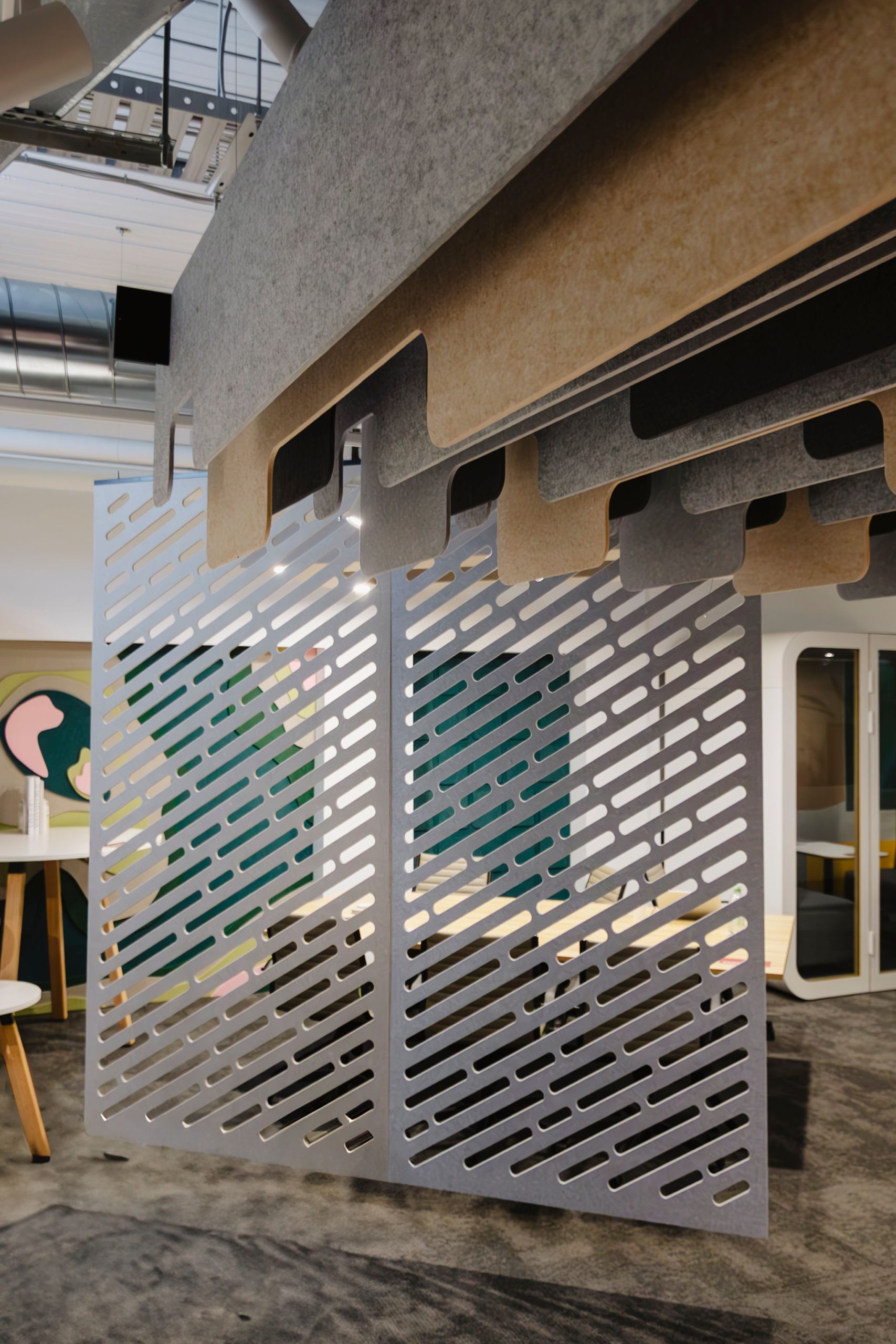
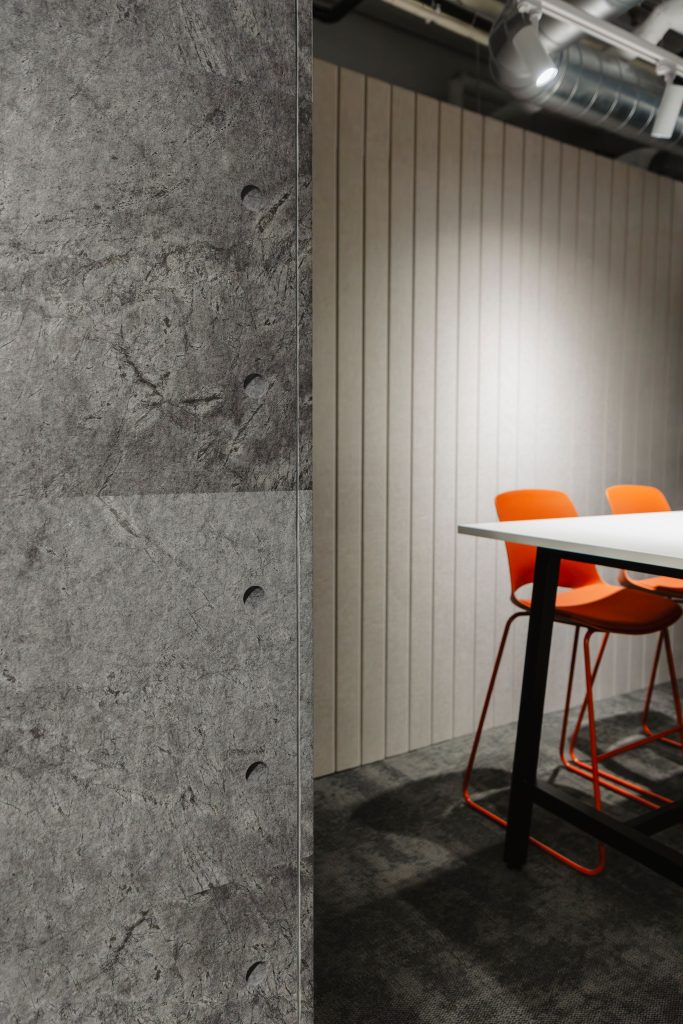
Translate the Clause Into a Practical Scope
Make-good wording needs to be converted into a list of physical items the project team can understand.
Review partitions, joinery, flooring, ceilings, lighting, cabling, signage and equipment. Consider changes to air conditioning, fire, hydraulic and electrical systems, including any required reinstatement.
Penetrations deserve particular attention. Floor fixings, core holes, roof penetrations, wall supports and service pathways may require repair or reinstatement if the associated fitout is removed.
The likely scope can inform design and lifecycle budgeting. It may also identify improvements worth discussing with the landlord, although retention should not be assumed without written agreement.
Document the Starting Condition Clearly
Make-good often depends on a comparison between the premises at the beginning and end of the lease. A detailed condition record creates a clearer reference for that comparison.
Before work begins, photograph floors, walls, ceilings, glazing, amenities, services and existing damage. Record what is operational, worn or retained from an earlier tenancy.
The condition report should align with the lease documents and be acknowledged by the relevant parties where required. Existing drawings, services information and landlord approvals can add useful detail.
This record shows what can be retained, protected during construction or reinstated later. A reliable baseline distinguishes new work from pre-existing conditions at handback
Let the Obligation Inform Construction Choices
Where it suits the project, the fitout can use solutions that are easier to alter, reuse or remove later.
Demountable partitions, modular joinery and accessible service routes may reduce later disruption. Furniture and equipment can also be selected for relocation rather than permanent integration.
The approach should remain balanced. Acoustic privacy, fire performance, accessibility, durability, security and brand expression still matter. A removable solution only creates value when it performs throughout the lease.
The design team should also consider interfaces with the base building. Coordinating fixings, ceiling changes and service connections carefully can help the fitout meet current requirements while leaving a clear path for future alteration.
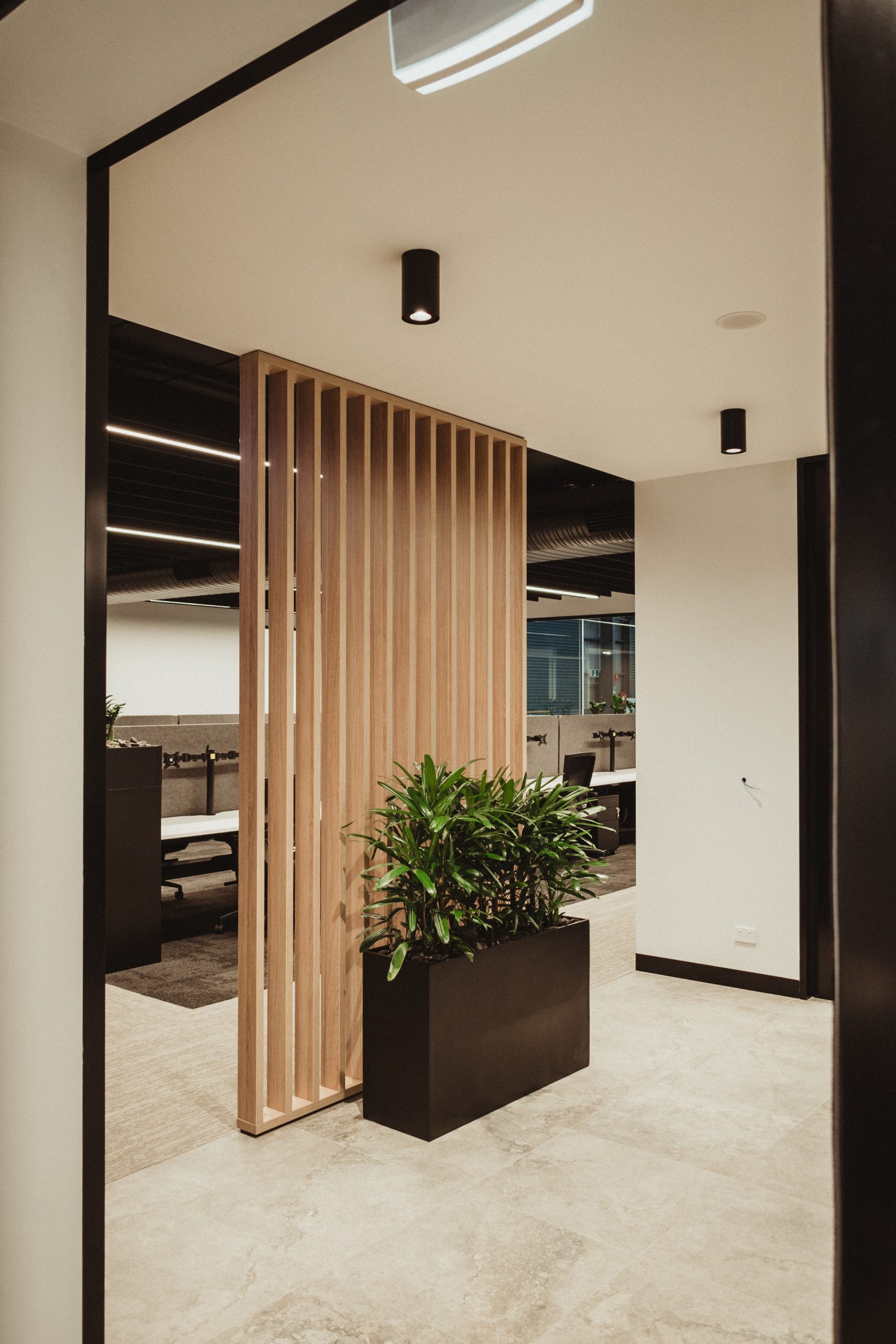

Coordinate Approvals and Retained Items in Writing
Landlord approval of a fitout does not always remove the tenant’s end-of-lease obligations. The approval process and make-good clause should be reviewed together.
Keep a register of drawings, changes and landlord conditions. For items intended to remain, confirm ownership, maintenance responsibility and written landlord agreement.
This is important for upgrades such as meeting rooms, amenities, lighting or mechanical improvements. The next occupier’s needs may differ, so perceived value does not guarantee retention.
Written confirmation gives the project team a more reliable basis for design and helps the business avoid depending on informal conversations that may be difficult to verify years later.
Allow for Make-Good in the Budget and Programme
Make-good is part of the total occupancy cost, even though the work may happen several years after the fitout opens.
An early estimate can include removal, disposal, repair, reinstatement, approvals, professional fees and the time needed before lease expiry.
The allowance can be updated when the tenancy changes. An agreed payment in place of physical works may also be explored where the lease and landlord allow it.
The final approach is commercial and lease-specific. The important point is to recognise the obligation early enough for the business to plan for it rather than treating it as a cost outside the original property decision.
Keep the Handover Record Useful for the Future
At completion, retain as-built drawings, approvals, warranties, equipment schedules and photographs of concealed services.
Record later changes with the same care. A tenancy can evolve through additional rooms, new equipment, signage and service modifications, each of which may affect the final make-good scope.
Well before expiry, review the clause and walk through the premises with the landlord or agent. Written agreement on what remains or is removed supports clearer planning.
Make-good should influence the fitout when the lease is being negotiated, when the design is being developed and whenever the tenancy changes. Early consideration creates more informed decisions without limiting the quality or long-term usefulness of the space.
Workspace 360 brings fitout planning, design, services coordination and construction delivery together. By considering lease obligations alongside the operational brief, we can help clients understand how today’s fitout decisions may affect the tenancy throughout its complete lifecycle.