
Why More Gyms Are Combining Fitness And Recovery
Discover why more gyms are integrating recovery services into their facilities and how thoughtful planning can create new opportunities for members and business growth.
Why More Gyms Are Combining Fitness And Recovery
Not long ago, recovery was something members did after leaving the gym.
Today, it’s increasingly becoming part of the gym itself.
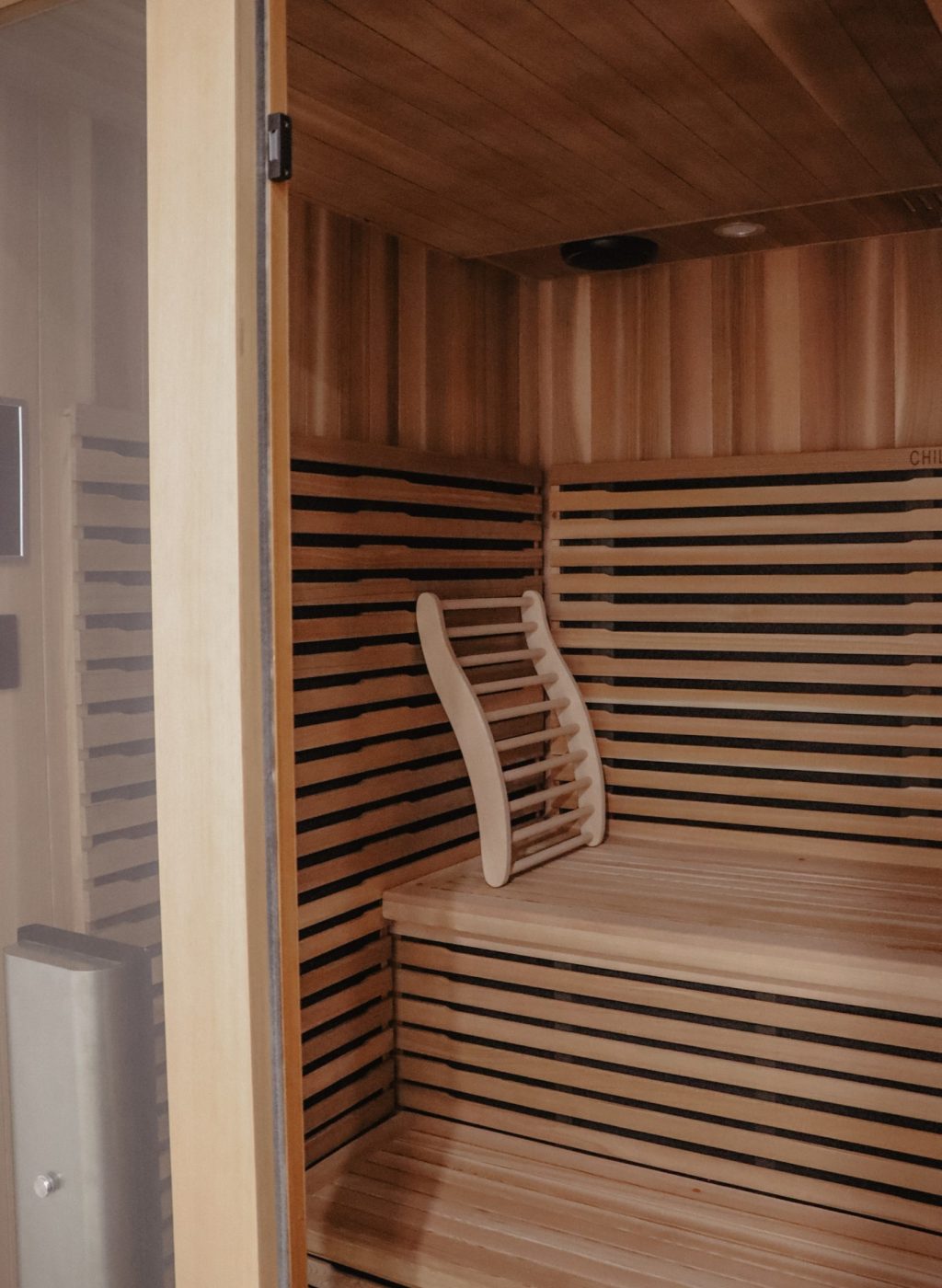
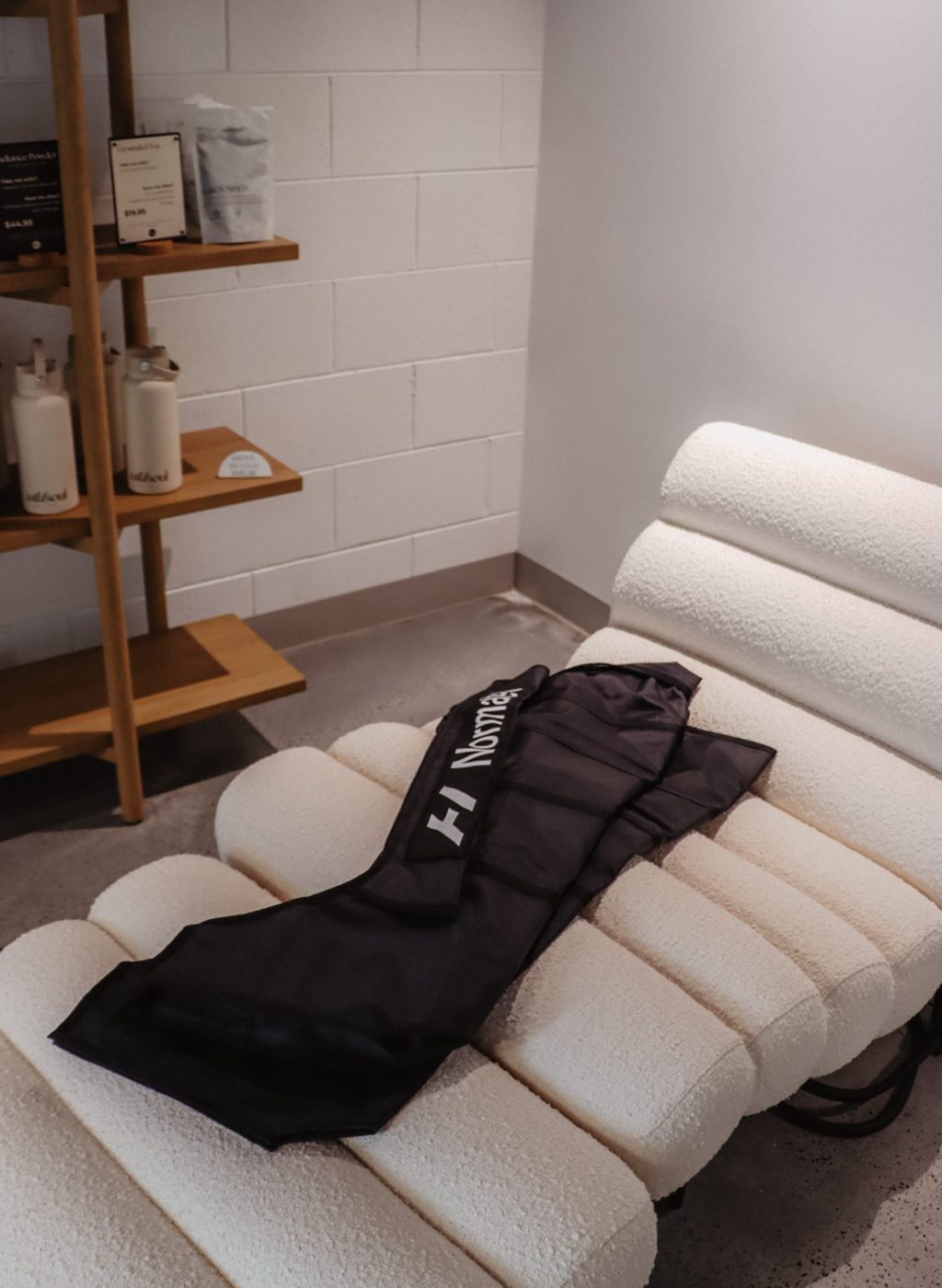
Across Australia, more fitness businesses are introducing recovery experiences alongside traditional training. Infrared saunas, cold plunge pools, compression therapy, recovery lounges and mobility spaces are becoming part of the overall member offering, rather than standalone services.
This shift isn’t simply about following industry trends.
It’s about recognising that members are looking for a more complete wellness experience, and operators are finding new ways to deliver greater value within the same facility.
The question is no longer whether fitness and recovery belong together.
It’s how they can work together to create a stronger business.
Project Spotlight | Wildsoul Wellness, Coburg
A practical example of fitness and recovery working together.
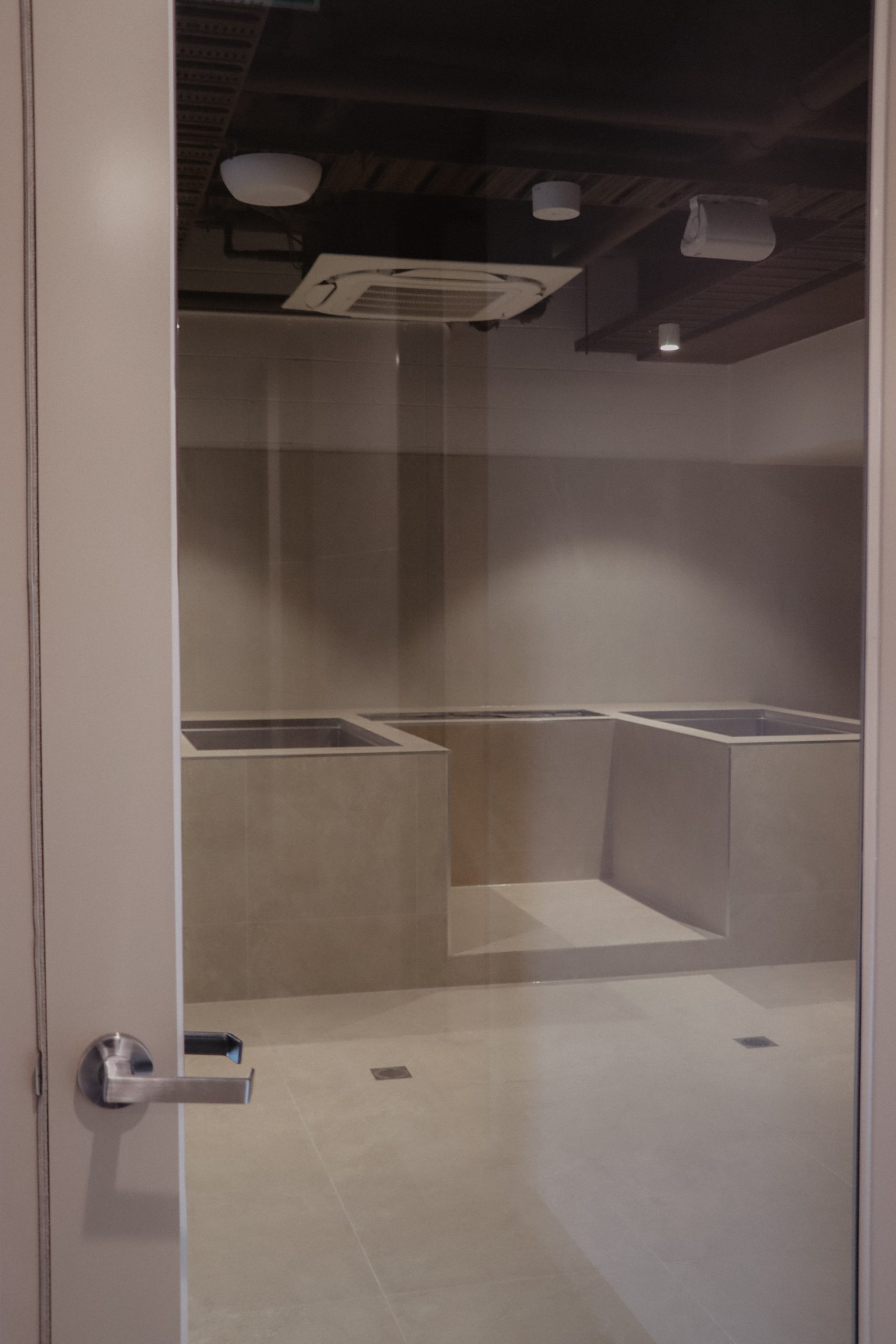
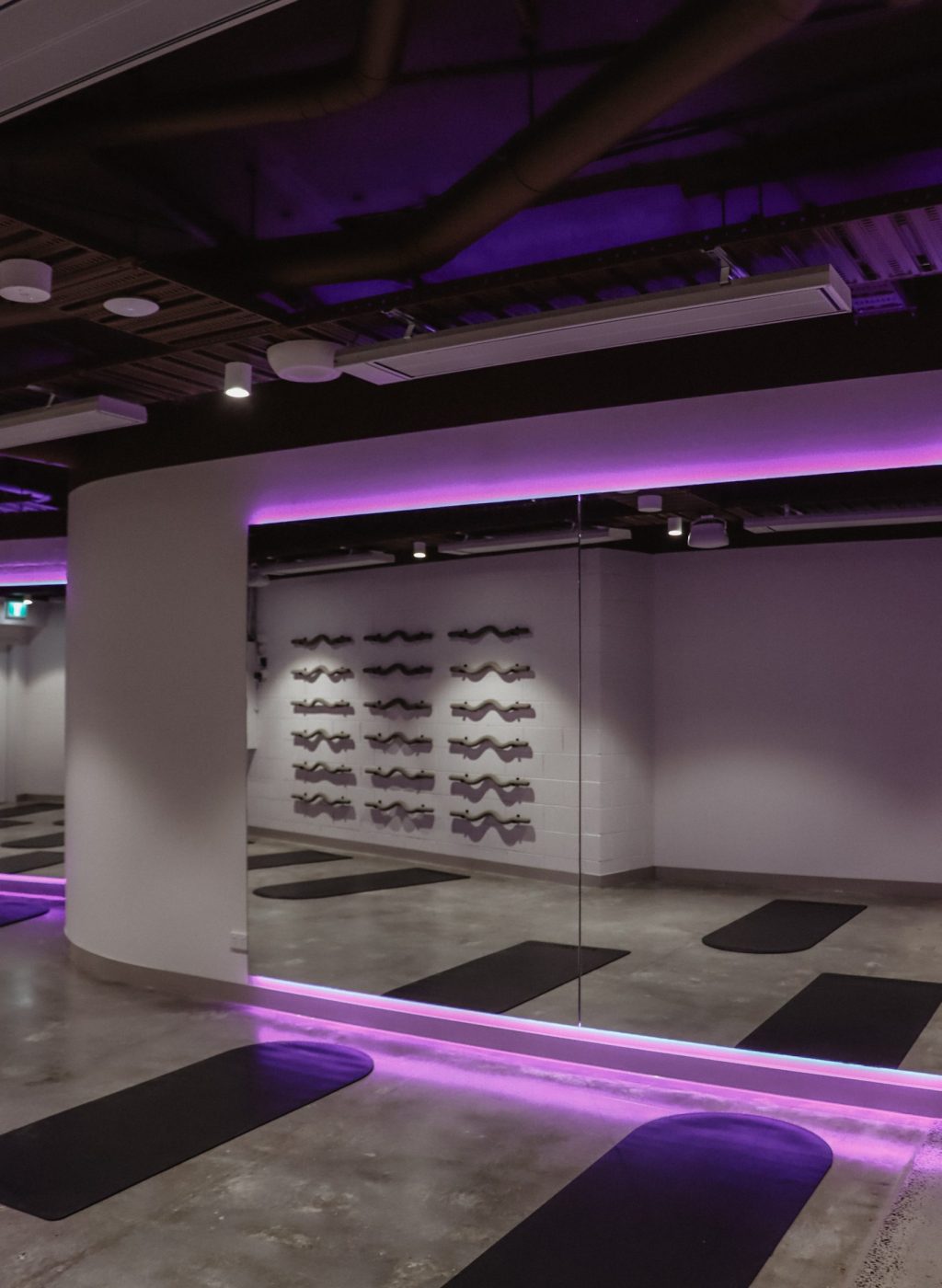
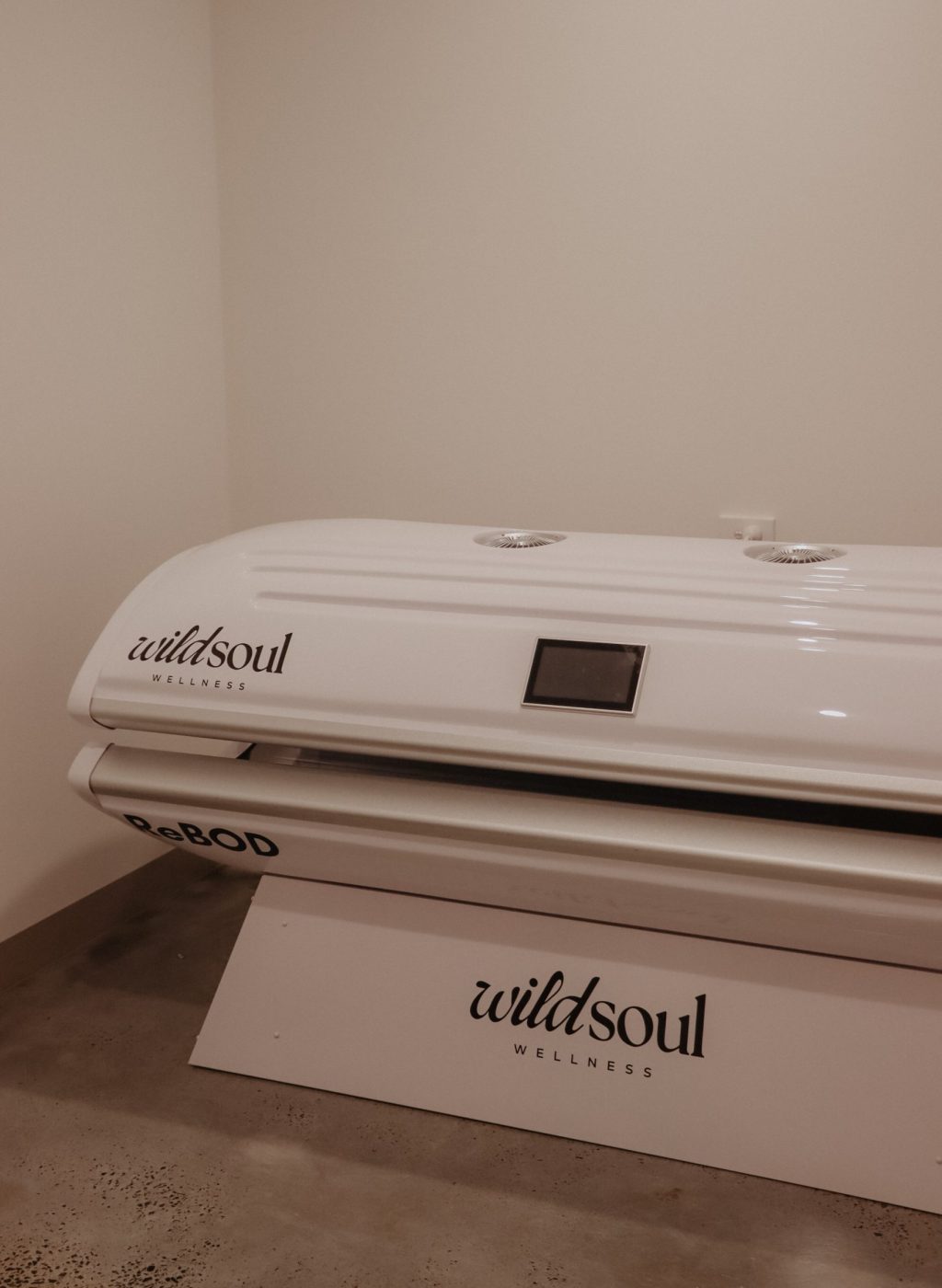
Wildsoul Wellness was designed to bring multiple wellness experiences into one cohesive environment, combining Pilates and recovery spaces within a carefully planned member journey.
By considering operational flow, building services and future flexibility from the earliest planning stages, the facility demonstrates how different wellness offerings can complement one another while creating a seamless experience for members.
Members Are Looking Beyond The Workout
For many people, the gym is no longer just a place to exercise.
It’s where they invest in their overall wellbeing.
Training remains central to that experience, but recovery, mobility, stress management and physical resilience are becoming equally important for many members.
Some visit before work, others after long days at the office. Weekend athletes, parents, professionals and older adults all arrive with different goals, yet they increasingly share the same expectation: they want one destination that supports more than just their workout.
Facilities that acknowledge this broader approach to wellness are often able to create experiences that encourage members to stay longer, engage more often and build stronger connections with the business.
One Visit Can Deliver More Value
Introducing recovery isn’t simply about adding another room.
It’s about extending the value of every visit.
A member who finishes a workout with an infrared sauna session or spends time in a recovery lounge experiences the facility differently from someone who leaves immediately after training.
Longer visits can create additional opportunities for member engagement, stronger relationships with staff and a greater sense of community within the facility.
For operators, it also creates opportunities to diversify the overall experience without changing the core identity of the business.
The objective isn’t to replace fitness.
It’s to enhance it.
Recovery Can Support New Membership Opportunities
Every gym is looking for ways to create lasting value for its members.
Recovery services provide another way to achieve that.
Some businesses choose to incorporate recovery into existing memberships, while others introduce premium memberships, casual recovery sessions or wellness-focused packages.
Others partner with allied health professionals or wellbeing practitioners to create a broader ecosystem of services under one roof.
There is no single model that suits every business.
What matters is ensuring the physical space supports the commercial strategy from the beginning.
The most effective facilities don’t simply add recovery equipment where space becomes available.
They plan for how those services will operate alongside the existing gym.
The Best Results Come From Planning Both Together
It’s common for operators to think about recovery after the gym layout has already been completed.
By then, available space, services and infrastructure may already be committed.
Planning fitness and recovery together from the outset creates far greater flexibility.
It allows member circulation to feel natural, ensures supporting services such as plumbing, ventilation and power are considered early, and helps create an experience where every part of the facility feels connected.
Rather than appearing as separate businesses sharing the same tenancy, the gym and recovery areas become part of one cohesive member journey.
It's Not About More Space, It's About Smarter Space
One of the biggest misconceptions is that combining fitness and recovery requires significantly larger premises.
Often, it’s less about additional square metres and more about how existing space is planned.
Multi-purpose rooms, adaptable layouts and thoughtful zoning can create opportunities for recovery without compromising the training experience.
The most successful facilities don’t necessarily have the largest footprint.
They simply make better use of it.
Every square metre should contribute to how the business operates, how members experience the space and how future opportunities can be introduced.
Building A More Complete Wellness Experience
Fitness and recovery are increasingly complementing one another because they support the way many people now approach their health.
For operators, this creates an opportunity to think beyond individual services and instead consider the overall experience they want members to have each time they visit.
At Workspace 360, we work alongside gym and wellness operators to create environments that support both today’s operational needs and tomorrow’s opportunities. By bringing strategy, design and construction together through one accountable process, we help businesses plan spaces where fitness and recovery work seamlessly together, creating facilities that are ready to perform from opening day.
If you’re planning a new gym, expanding your wellness offering or exploring how recovery could become part of your business, talk to Workspace 360 early. The strongest member experiences begin with thoughtful planning long before construction starts.